
-
×
 Orofacial Pain: Guidelines Assess 4Ed
1 × Rp999.600
Orofacial Pain: Guidelines Assess 4Ed
1 × Rp999.600 -
×
 Bells Orofacial Pains 6 Edition
1 × Rp1.774.800
Bells Orofacial Pains 6 Edition
1 × Rp1.774.800
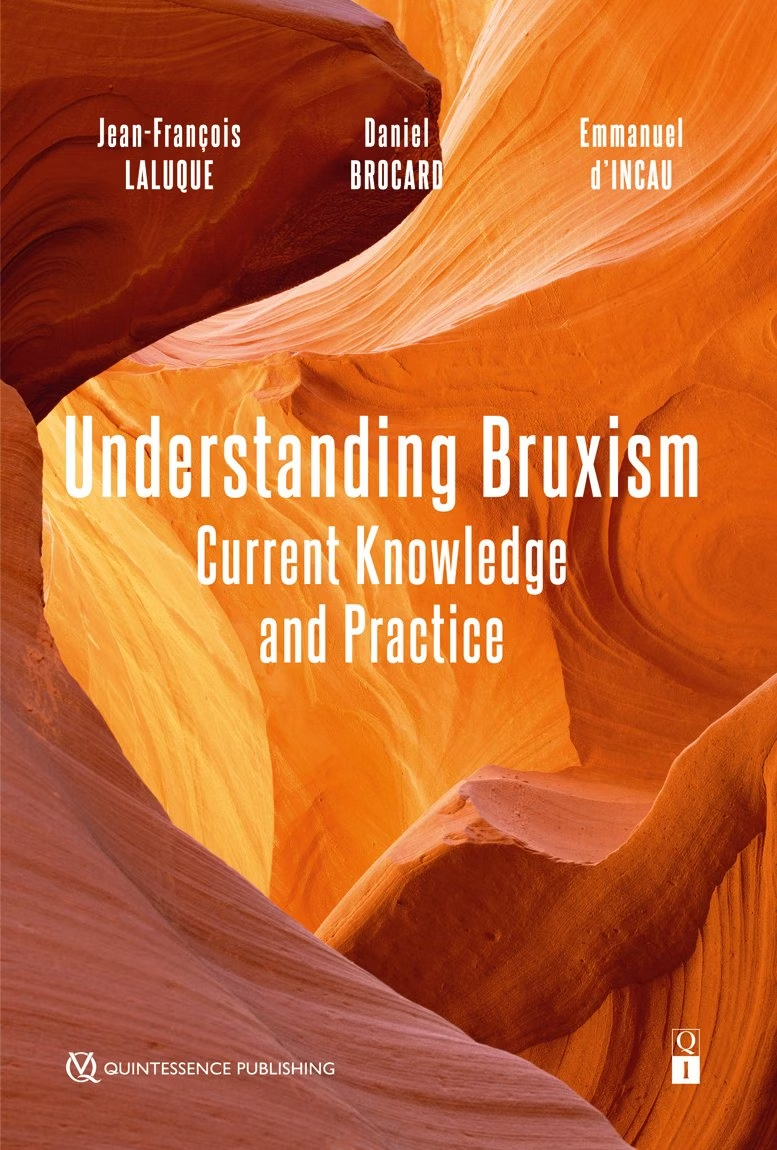
Understanding Bruxism – Current Knowledge and Practice
Rp3.570.000
A Comprehensive, Evidence-Based Guide to the Diagnosis and Management of Bruxism
By Jean-François Laluque, Daniel Brocard, and Emmanuel D’Incau
Understanding Bruxism brings clarity to a complex and often misunderstood condition. Once considered incurable, bruxism is now recognized as a multifactorial phenomenon with identifiable etiologies, diagnostic pathways, and practical management strategies. This authoritative book demystifies bruxism and equips clinicians with the tools to assess, differentiate, and conservatively treat both awake and sleep bruxism across patient populations.
Divided into two structured parts—Current Knowledge and Management—this book draws on the latest research and clinical experience to provide a comprehensive, evidence-based framework. From etiology and pathophysiology to minimally invasive treatment and long-term maintenance, the authors present a clear, actionable roadmap for clinicians facing the challenges of bruxism in daily practice.
A Comprehensive, Evidence-Based Guide to the Diagnosis and Management of Bruxism
By Jean-François Laluque, Daniel Brocard, and Emmanuel D’Incau
Hardcover | January 3, 2018 | 179 Illustrations
Understanding Bruxism brings clarity to a complex and often misunderstood condition. Once considered incurable, bruxism is now recognized as a multifactorial phenomenon with identifiable etiologies, diagnostic pathways, and practical management strategies. This authoritative book demystifies bruxism and equips clinicians with the tools to assess, differentiate, and conservatively treat both awake and sleep bruxism across patient populations.
Divided into two structured parts—Current Knowledge and Management—this book draws on the latest research and clinical experience to provide a comprehensive, evidence-based framework. From etiology and pathophysiology to minimally invasive treatment and long-term maintenance, the authors present a clear, actionable roadmap for clinicians facing the challenges of bruxism in daily practice.
Key Features:
-
Thorough diagnostic approach: Covers clinical signs, differential diagnosis, and use of polysomnography
-
Separate focus on sleep vs. awake bruxism, as well as special considerations in children and adolescents
-
Links between bruxism and TMD, pain, dental wear, and implant complications
-
Ultraconservative restorative techniques for managing advanced wear
-
Practical guidance: Includes counseling tips, pharmacological insights, appliance therapy, and follow-up care
-
Beautifully illustrated: 179 clinical images and diagrams to enhance comprehension
Contents at a Glance:
Part I – Current Knowledge About Bruxism
-
Definitions and Overview
-
Etiologies
-
Pathophysiology of Sleep Bruxism
-
Clinical and Differential Diagnosis
-
Awake vs. Sleep Bruxism
-
Sleep, Pain, and Bruxism in Youth
-
Bruxism and TMD
-
Dental Wear and Diagnostic Implications
Part II – Management of Bruxism
9. Counseling and Behavioral Approaches
10. Pharmacologic Considerations
11. Oral Appliance Therapy
12. Restorative Approaches for Tooth Wear
13. Conservative and Extended Rehabilitation
14. Bruxism and Implant Restoration
15. Follow-Up Strategies and Maintenance
16. Clinical Conclusions and Future Directions
Ideal For:
General dentists, prosthodontists, restorative specialists, and dental students looking to understand and treat bruxism holistically—from pathophysiology to patient-centered care.
Be the first to review “Understanding Bruxism – Current Knowledge and Practice”
Related products


Reviews
There are no reviews yet.