
-
×
 Dentistry And The Pregnant Patient
1 × Rp1.203.600
Dentistry And The Pregnant Patient
1 × Rp1.203.600 -
×
 Odontogenic Tumors & Allied Lesions
1 × Rp3.774.000
Odontogenic Tumors & Allied Lesions
1 × Rp3.774.000
Uncategorized
The Role of Fluoride in Dental Health: Essential Facts You Should Know
Fluoride has long been known as one of the most important minerals for maintaining healthy teeth and preventing cavities. Whether it’s in toothpaste, drinking water, or professional treatments at the dentist’s office, fluoride plays a significant role in oral health. But how exactly does fluoride help? Are there risks associated with it? In this blog, we’ll dive deep into the benefits and potential concerns surrounding fluoride, as well as how to incorporate it into your oral care routine.
1. What Is Fluoride and How Does It Work?
Fluoride is a naturally occurring mineral found in soil, water, and some foods. It is highly effective in preventing tooth decay because it strengthens tooth enamel, making it more resistant to the acids that cause cavities.
When fluoride is applied to your teeth, either through toothpaste, mouth rinses, or professional treatments, it gets incorporated into your tooth enamel. This helps to remineralize weakened enamel, repair early signs of decay, and even reverse small cavities. Fluoride works in two primary ways:
Strengthens Enamel: Fluoride helps to remineralize and harden the outer surface of your teeth, which can prevent cavities from forming.
Reduces the Growth of Harmful Bacteria: Fluoride also inhibits the growth of harmful bacteria in your mouth, reducing plaque buildup and decreasing the risk of gum disease.
2. Why Is Fluoride Important for Children’s Dental Health?
Fluoride is especially beneficial for children, as their teeth are still developing. It helps protect their teeth from decay, particularly as they begin to get their permanent teeth.
Strengthening Developing Teeth: Fluoride helps to strengthen the enamel of children’s developing teeth, which can protect them from decay even before they fully erupt through the gums.
Preventing Early Childhood Cavities: Fluoride can prevent cavities in young children, especially when used in toothpaste or through professional fluoride treatments provided by dentists.
Protecting Against Bottle Rot: Fluoride can help prevent “bottle rot” or early childhood cavities, which occur when children are allowed to fall asleep with sugary liquids in their bottles, leading to severe tooth decay.
3. The Benefits of Fluoride for Adults
Fluoride isn’t just for children; adults can benefit from it as well. In fact, fluoride has proven to be particularly helpful for adults who may be more prone to cavities due to certain factors such as:
Dry Mouth: Adults suffering from dry mouth (often due to medications or medical conditions like diabetes) may find fluoride treatments beneficial, as dry mouth increases the risk of tooth decay.
Gum Recession: If your gums have receded, exposing the roots of your teeth, fluoride can help protect those vulnerable areas from decay.
History of Cavities: For adults who have had a history of cavities, fluoride can help prevent further dental problems by remineralizing weakened enamel.
4. Sources of Fluoride: How to Get It
There are several ways to incorporate fluoride into your daily routine, and they can be found in various forms:
Fluoride Toothpaste: The most common way people receive fluoride is through toothpaste. Nearly all brands of toothpaste contain fluoride, and brushing with fluoride toothpaste twice a day helps prevent cavities and strengthens tooth enamel.
Fluoridated Water: In many communities, fluoride is added to public water supplies, which provides a constant source of fluoride for the entire population. Drinking fluoridated water can help protect your teeth, especially for those who may not use fluoride toothpaste regularly.
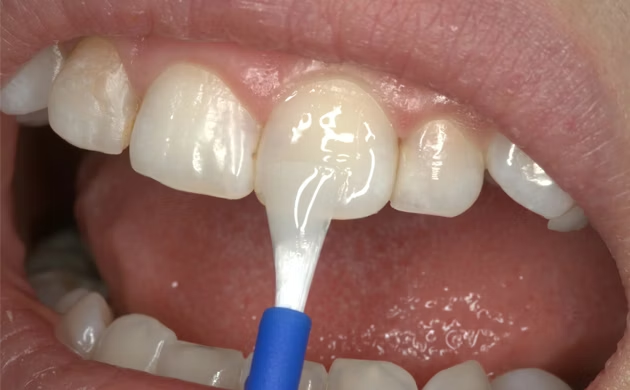
Professional Fluoride Treatments: Your dentist may recommend fluoride treatments during routine dental visits, especially if you’re at high risk for cavities. These treatments are typically applied in the form of a gel, foam, or varnish.
Fluoride Mouth Rinse: Over-the-counter fluoride mouth rinses can also help provide additional protection, particularly for people at risk for tooth decay.
5. The Risks and Side Effects of Fluoride
While fluoride is generally safe and beneficial for dental health, there are some potential risks associated with excessive fluoride exposure, particularly in children:
Dental Fluorosis: This condition occurs when children consume too much fluoride while their teeth are still developing. The primary effect of dental fluorosis is white spots or streaks on the teeth. Severe fluorosis is rare but can result in discoloration or pitting of the enamel.
Fluoride Toxicity: Ingesting large amounts of fluoride can be toxic. However, this is very unlikely with the amounts found in toothpaste or drinking water. It is important to keep fluoride products out of the reach of young children to prevent accidental swallowing.
Bone Health Concerns: Some research has raised concerns about the long-term effects of excessive fluoride on bones, particularly in areas where the natural fluoride levels in water are high. However, the levels of fluoride used in dental products and water fluoridation are considered safe for most people.
6. Is Fluoride Safe?
Fluoride is considered safe when used appropriately. The American Dental Association (ADA) and the Centers for Disease Control and Prevention (CDC) endorse the use of fluoride for cavity prevention, and extensive research has proven that the benefits of fluoride outweigh the risks.
Water Fluoridation: Studies have shown that fluoridated water significantly reduces the rate of cavities in both children and adults. It’s one of the most cost-effective ways to improve dental health at a community level.
Professional Oversight: Dentists monitor fluoride levels and make recommendations based on your unique oral health needs. Professional fluoride treatments are applied with care and expertise to ensure safety.
7. How to Use Fluoride Safely
Here are some simple tips to ensure that you’re using fluoride effectively and safely:
Brush Twice a Day: Use fluoride toothpaste twice a day for at least two minutes to get the full benefits.
Don’t Swallow Toothpaste: Always spit out your toothpaste after brushing, especially if you’re a child, to prevent swallowing excess fluoride.
Be Careful with Fluoride Supplements: Fluoride supplements are sometimes prescribed by a dentist if you live in an area without fluoridated water. However, they should only be used under a dentist’s guidance to prevent overexposure.
Use Fluoride Mouthwash: Consider using a fluoride mouthwash if you’re at higher risk for cavities or gum disease.
8. Conclusion: Fluoride—A Powerful Tool for Strong Teeth
Fluoride plays a vital role in maintaining good dental health. By strengthening enamel, reducing cavity formation, and preventing early tooth decay, fluoride is an essential part of your oral care routine. Whether through toothpaste, water, or professional treatments, fluoride can help protect your teeth for a lifetime.
If you have any concerns or questions about fluoride use, consult your dentist to ensure that you are getting the right amount for your needs.
