
Uncategorized
How Teeth Whitening Works: What You Need to Know Before Getting Your Teeth Whitened
Teeth whitening has become one of the most popular cosmetic dental treatments in recent years. Whether you want a brighter smile for a special occasion or just feel like giving your smile a boost, whitening can be an effective solution. However, before jumping into a whitening procedure, it’s important to understand how teeth whitening works, the different options available, and the potential risks. This blog will guide you through everything you need to know to make an informed decision.
1. What Is Teeth Whitening?
Teeth whitening refers to the process of lightening the color of your teeth to remove stains and discoloration. Whitening treatments work by breaking down the stains on your teeth and making them appear brighter and whiter. Teeth can become stained over time due to factors like aging, food and drink choices (coffee, tea, red wine), smoking, or poor oral hygiene.
While there are many different methods available for whitening, the goal is the same: to safely and effectively remove or reduce stains and brighten the appearance of your smile.
2. How Do Teeth Whitening Products Work?
Most whitening treatments contain hydrogen peroxide or carbamide peroxide as their active ingredient. These ingredients break down the molecules responsible for stains, effectively bleaching your teeth.
Hydrogen Peroxide: This is the most common ingredient in professional whitening treatments, as it penetrates the enamel quickly and works to lift deep stains. It’s often used in higher concentrations at dental offices.
Carbamide Peroxide: This compound is a combination of hydrogen peroxide and urea. It’s often found in at-home whitening products, such as strips and gels, and works more slowly than hydrogen peroxide but is still effective.
Whitening treatments are typically safe when used as directed, but the results can vary depending on the type and severity of the stains, the concentration of the whitening agent, and the method of application.
3. Types of Teeth Whitening Treatments
There are several types of teeth whitening treatments, and your dentist can help you decide which one is right for you based on your goals and oral health. Here are the main options:
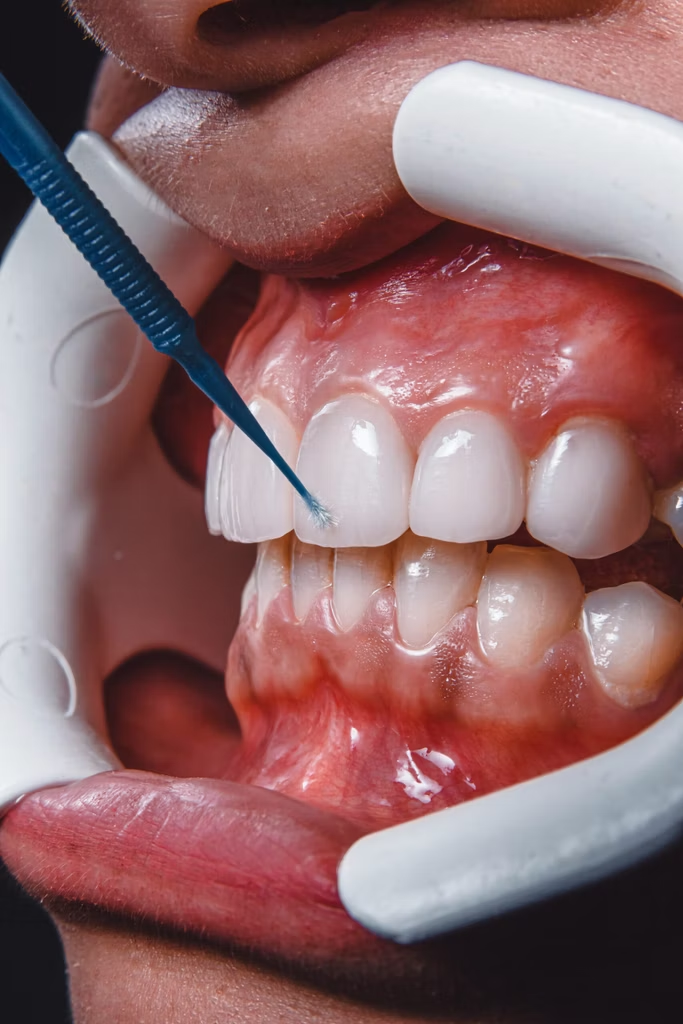
In-Office Whitening: Professional whitening treatments done at the dental office typically use stronger whitening agents and provide faster, more dramatic results. The procedure takes about 30 to 60 minutes, and you may experience some sensitivity afterward. Your dentist will protect your gums and lips to prevent irritation from the whitening gel.
At-Home Whitening Kits: These kits are available over-the-counter or prescribed by your dentist. Over-the-counter products often include whitening strips, gels, or toothpastes, while professional at-home kits typically contain custom trays that you fill with a whitening gel. At-home whitening is usually less expensive than in-office treatments but may take longer to show results.
Whitening Toothpaste: Many people use whitening toothpaste as part of their daily oral care routine. These toothpastes contain mild abrasives or chemical agents that help remove surface stains but won’t change the natural color of your teeth. Whitening toothpaste is great for maintaining results between professional treatments.
Whitening Strips and Gels: Over-the-counter whitening strips are thin plastic strips coated with a whitening gel. They are placed directly on your teeth for a specified amount of time. These products can lighten surface stains and are easy to use, though results can be less noticeable than professional treatments.
4. How Long Do Results Last?
The results of teeth whitening vary depending on the individual and the type of treatment used. Generally, in-office whitening provides the most dramatic and longest-lasting results. However, even after professional whitening, your teeth can become discolored over time due to eating and drinking stain-causing foods and beverages, as well as smoking.
To maintain your results, it’s important to follow good oral hygiene practices, limit foods and drinks that can stain your teeth (like coffee, wine, and tobacco), and possibly schedule touch-up treatments.
5. Potential Side Effects of Teeth Whitening
While teeth whitening is generally safe, it’s important to be aware of potential side effects:
Tooth Sensitivity: Some people experience increased sensitivity to hot and cold after whitening treatments. This is usually temporary and can be managed with desensitizing toothpaste or by reducing the strength or frequency of treatments.
Gum Irritation: The whitening gel can sometimes cause irritation or discomfort to the gums, especially if it’s not applied properly. Professional treatments are generally more controlled, reducing this risk.
Uneven Whitening: If you have dental restorations such as crowns, veneers, or fillings, they won’t change color with whitening treatments. This can result in uneven whitening if you have these dental materials in your smile zone.
6. Can Everyone Use Teeth Whitening?
Teeth whitening is not suitable for everyone. It’s important to consult with your dentist before starting any whitening treatment. Here are some cases where whitening may not be recommended:
Sensitive Teeth: People with highly sensitive teeth may find that whitening treatments cause significant discomfort.
Pregnancy and Breastfeeding: Although no studies have proven that teeth whitening is unsafe during pregnancy or breastfeeding, it’s often recommended to avoid unnecessary treatments during these periods.
Children Under 16: The nerves in the teeth of young children are larger, so whitening treatments are not generally recommended for children under 16.
Severe Discoloration: Teeth whitening may not be effective for severe discoloration, especially if the discoloration is caused by internal factors such as trauma or medications.
7. How to Choose the Right Whitening Treatment
Choosing the right whitening treatment depends on your needs and goals. If you want fast, dramatic results, professional in-office whitening is the best option. If you prefer a more gradual approach, at-home whitening kits or whitening toothpaste may be a better fit. Here are some tips for making an informed decision:
Consult Your Dentist: If you’re considering whitening, consult with your dentist to ensure your teeth are healthy and suitable for whitening. Your dentist can recommend the best treatment option for your specific needs and help you avoid complications.
Know the Risks: While teeth whitening is safe for most people, it’s important to be aware of potential side effects like sensitivity and gum irritation. Choose products that are proven to be safe and effective, and always follow the instructions carefully.
Maintenance: Consider how much time and effort you are willing to put into maintaining your white smile. In-office whitening provides quick results, but at-home options may require more time to achieve the desired effect.
8. Conclusion: Brighten Your Smile Safely and Effectively
Teeth whitening can give you a brighter, more youthful smile, but it’s important to choose the right treatment and follow all recommended guidelines to avoid side effects and achieve the best results. Whether you opt for professional whitening or at-home treatments, remember that regular dental checkups, good oral hygiene habits, and a healthy lifestyle will help you maintain your results for a long time.
