
-
×
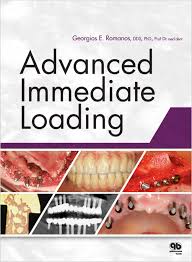 Advanced Immediate Loading
2 × Rp3.692.400
Advanced Immediate Loading
2 × Rp3.692.400 -
×
 Atlas of Periodontology and Implant Therapy
2 × Rp9.588.000
Atlas of Periodontology and Implant Therapy
2 × Rp9.588.000 -
×
 Autotransplantation Of Teeth
1 × Rp3.468.000
Autotransplantation Of Teeth
1 × Rp3.468.000 -
×
 Atlas Of Cosmetic Dentistry
2 × Rp4.263.600
Atlas Of Cosmetic Dentistry
2 × Rp4.263.600 -
×
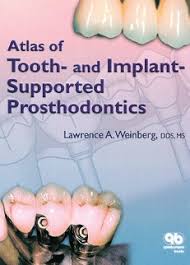 Atlas Of Tooth & Imp-Supp Prosthodontics
1 × Rp2.978.400
Atlas Of Tooth & Imp-Supp Prosthodontics
1 × Rp2.978.400 -
×
 The Sinus Bone Graft
1 × Rp4.977.600
The Sinus Bone Graft
1 × Rp4.977.600 -
×
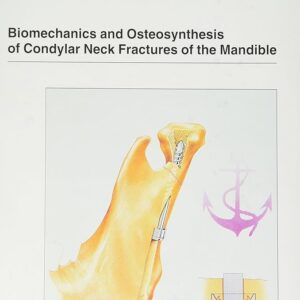 Biomechanics/Osteosynthesis Condylar
2 × Rp2.488.800
Biomechanics/Osteosynthesis Condylar
2 × Rp2.488.800 -
×
 Attachments In The Laboratory
1 × Rp2.346.000
Attachments In The Laboratory
1 × Rp2.346.000 -
×
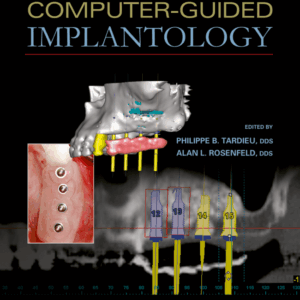 Art Of Computer-Guided Implantology
1 × Rp3.733.200
Art Of Computer-Guided Implantology
1 × Rp3.733.200 -
×
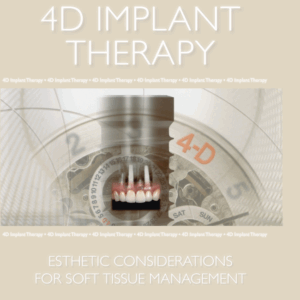 4D Implant Therapy: Esthetic Consideration For Soft Tissue Management
2 × Rp3.835.200
4D Implant Therapy: Esthetic Consideration For Soft Tissue Management
2 × Rp3.835.200 -
×
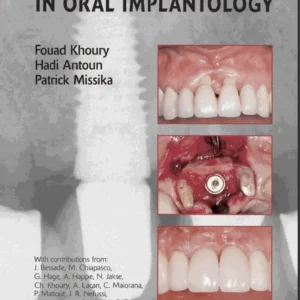 Bone Augmentation In Oral Implantology
1 × Rp3.345.600
Bone Augmentation In Oral Implantology
1 × Rp3.345.600 -
×
 Implant Therapy - Clinical Approaches and Evidence of Success
1 × Rp8.445.600
Implant Therapy - Clinical Approaches and Evidence of Success
1 × Rp8.445.600 -
×
 Best Practice: 77 Problem Case Solutions, Prescriptions And Laboratory Tests In Dental Practice
1 × Rp1.346.400
Best Practice: 77 Problem Case Solutions, Prescriptions And Laboratory Tests In Dental Practice
1 × Rp1.346.400 -
×
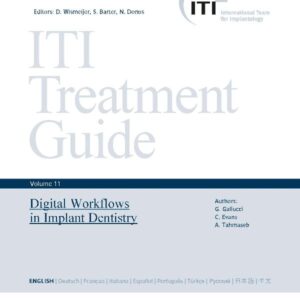 ITI Treatment Guide Volume 11: Digital Workflows in Implant Dentistry
1 × Rp2.284.800
ITI Treatment Guide Volume 11: Digital Workflows in Implant Dentistry
1 × Rp2.284.800 -
×
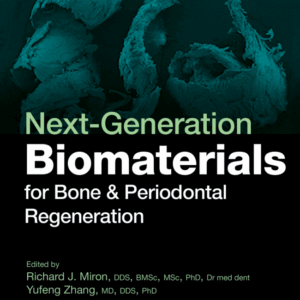 Next-Generation Biomaterials For Bone And Periodontal Regeneration
1 × Rp6.528.000
Next-Generation Biomaterials For Bone And Periodontal Regeneration
1 × Rp6.528.000
Uncategorized
The Rise of Teledentistry: How Virtual Dental Care is Reshaping the Industry
In the wake of technological advancement and a global shift toward remote services, teledentistry has emerged as a game-changer in the field of dental care. From virtual consultations to remote diagnosis and monitoring, teledentistry is making oral healthcare more accessible, efficient, and patient-friendly than ever before. In this blog post, we’ll explore what teledentistry is, how it works, its benefits, and what the future holds for this evolving branch of digital dentistry.
What is Teledentistry?
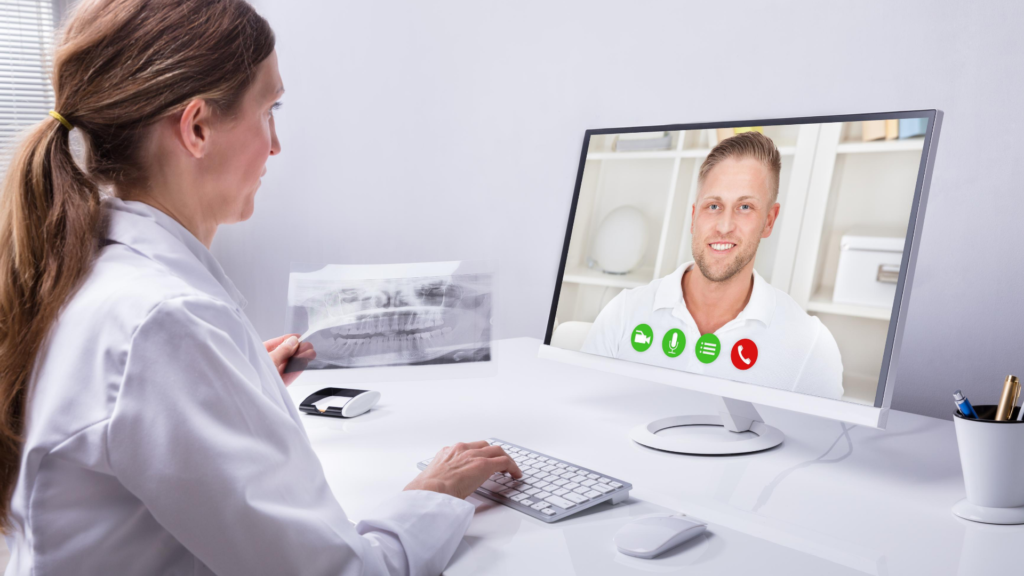
Teledentistry is the use of telecommunications technology to provide dental care and consultation services remotely. It enables patients to connect with dental professionals via video calls, chat platforms, or specialized apps for assessments, follow-ups, and certain diagnostic services—without needing to visit the dental clinic physically.
Originally developed to increase access to care in rural or underserved areas, teledentistry has rapidly gained popularity across all regions, especially after the COVID-19 pandemic highlighted the need for remote healthcare solutions.
How Teledentistry Works
The process of teledentistry typically involves several components:
Virtual Consultations – Patients can book online appointments to discuss symptoms, receive professional advice, or get a second opinion.
Photo & Video Diagnostics – Using high-quality photos or live video, patients can show areas of concern to the dentist, who can then offer preliminary assessments.
Remote Monitoring – Patients undergoing orthodontic treatment (like clear aligners) can send progress photos to their dentist, who monitors the changes and adjusts the treatment plan as needed.
Education and Prevention – Dentists use virtual sessions to educate patients on oral hygiene practices, diet, or how to care for dental appliances at home.
Referral & Coordination – If hands-on treatment is needed, teledentistry allows for faster referrals and coordination with specialists.
Benefits of Teledentistry
Teledentistry offers several advantages for both patients and dental professionals:
1. Increased Access to Care
Teledentistry bridges the gap for people living in remote or underserved communities who might not have easy access to dental clinics.
2. Convenience and Time Savings
Patients can speak with their dentist from home or work, eliminating travel time, waiting rooms, and scheduling conflicts.
3. Cost-Effective
Virtual visits are generally less expensive than in-person consultations, making routine dental checkups more affordable.
4. Improved Preventive Care
With easier access to professional advice, patients are more likely to address small dental issues early—before they turn into bigger problems.
5. Continuity of Care
Teledentistry ensures that patients can stay in touch with their dentist regularly, especially during ongoing treatments like Invisalign or post-surgical follow-ups.
What Can Be Treated Through Teledentistry?
While teledentistry isn’t a replacement for hands-on dental procedures, it can effectively handle a range of services:
Initial consultations and screenings
Post-operative follow-ups
Monitoring orthodontic progress
Discussing treatment options
Reviewing X-rays and medical history remotely
Oral hygiene education
Emergency dental triage (to determine urgency)
Challenges and Limitations
Despite its many benefits, teledentistry also faces some limitations:
Not suitable for all treatments – Procedures like fillings, extractions, or cleanings still require in-person visits.
Technology barriers – Not all patients have access to the necessary devices, internet, or tech literacy.
Licensing and regulatory issues – Dentists must ensure they are compliant with regional laws when providing services across state or national borders.
The Future of Teledentistry
Teledentistry is expected to become a permanent part of the dental care landscape. As technology advances, we may see integration with AI diagnostics, wearable oral health trackers, and even smart toothbrushes that share data with your dentist. Dental practices are also likely to adopt hybrid models—offering both in-person and virtual care—to meet the evolving needs of their patients.
Insurance companies are starting to recognize the value of teledentistry, and more are covering virtual dental services. As acceptance grows, patients can expect greater flexibility and a more proactive approach to their oral health.
Conclusion: Embracing the Digital Dental Revolution
Teledentistry is more than a temporary trend—it’s a forward-thinking solution to many of the access, cost, and convenience challenges in traditional dentistry. While it doesn’t replace all dental services, it adds a valuable layer to the patient experience, helping people stay engaged with their oral health between visits.
Whether you’re a busy professional, a parent managing multiple schedules, or someone in a remote area, teledentistry brings your dentist closer than ever before—right to your screen.
