
-
×
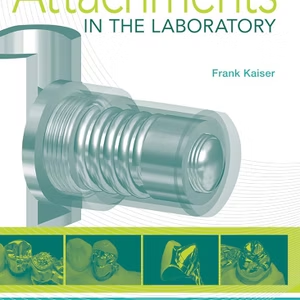 Attachments In The Laboratory
5 × Rp2.346.000
-
×
 Orofacial Pain And Headache 2Nd Edition
2 × Rp3.978.000
-
×
 Implant Therapy - Clinical Approaches and Evidence of Success
7 × Rp8.445.600
-
×
 Atlas of Periodontology and Implant Therapy
9 × Rp9.588.000
-
×
 Oral Pathology In Clinical Dental Practice
2 × Rp2.774.400
-
×
 Bone Grafting In Oral Implantology
3 × Rp3.406.800
-
×
 Advances In Operative Dentistry (Vol2)
1 × Rp2.448.000
-
×
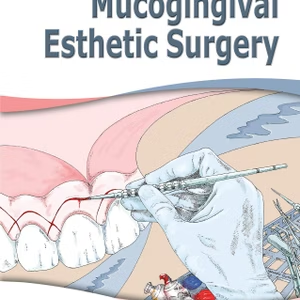 Mucogingival Esthetic Surgery
1 × Rp8.527.200
-
×
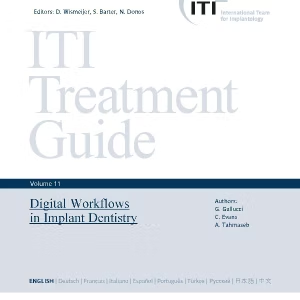 ITI Treatment Guide Volume 11: Digital Workflows in Implant Dentistry
6 × Rp2.284.800
-
×
 Veneer Visions
4 × Rp2.692.800
-
×
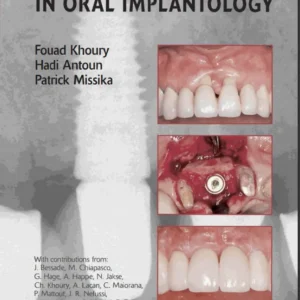 Bone Augmentation In Oral Implantology
5 × Rp3.345.600
-
×
 Clinical Success In Endodontic Retreatment
1 × Rp2.917.200
-
×
 Periodontal Regenerative Therapy
4 × Rp5.120.400
-
×
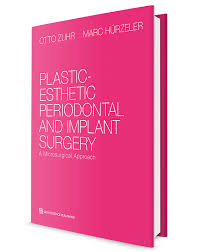 Plastic-Esthetic Periodontal And Implant Surgery: A Microsurgical Approach
1 × Rp9.506.400
-
×
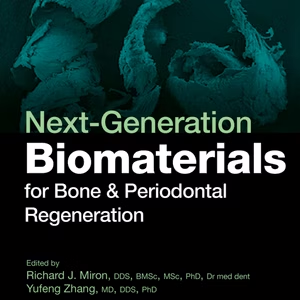 Next-Generation Biomaterials For Bone And Periodontal Regeneration
7 × Rp6.528.000
-
×
 The Single-Tooth Implant: A Minimally Invasive Approach for Anterior and Posterior Extraction Sockets
5 × Rp4.182.000
-
×
 Adhesive Metal-Free Restorations
2 × Rp2.631.600
-
×
 Interpreting Dental Radiographs
4 × Rp999.600
-
×
 Minor Oral Surgery In Dental Practice 2nd Edition
2 × Rp999.600
-
×
 Atlas Of Oral & Maxillofacial Rehab
1 × Rp1.693.200
-
×
 Atlas Of Cosmetic Dentistry
2 × Rp4.263.600
-
×
 Autologous Blood Concentrates
4 × Rp5.895.600
-
×
 Advances In Oral Tissues Engineering
2 × Rp2.203.200
-
×
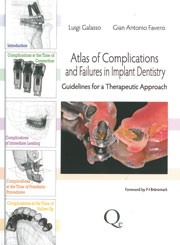 Atlas Of Complications And Failures In Implant Dentistry: Guidelines For A Therapeutic Approach
6 × Rp7.813.200
-
×
 Comprehensive Esthetic Dentistry
1 × Rp5.242.800
-
×
 Oral Cancer
2 × Rp1.999.200
-
×
 Suturing Techniques In Oral Surgery
1 × Rp4.182.000
-
×
 Peri-Implantitis
3 × Rp4.977.600
-
×
 Oral Implants: Bioactivating Concepts
4 × Rp7.017.600
-
×
 Autotransplantation Of Teeth
2 × Rp3.468.000
-
×
 3D Imaging In Dentistry: From Multiplane Cephalometry To Guided Navigation In Implantology
1 × Rp4.610.400
-
×
 Managing Orofacial Pain In Practice
4 × Rp999.600
-
×
 Art Of Computer-Guided Implantology
4 × Rp3.733.200
-
×
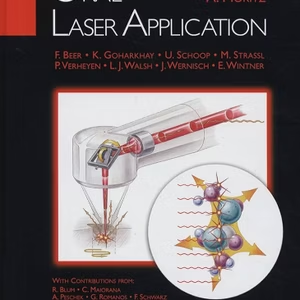 Oral Laser Application
2 × Rp6.324.000
-
×
 Peri-Implant Infection: Etiology, Diagnosis And Therapy
2 × Rp4.549.200
-
×
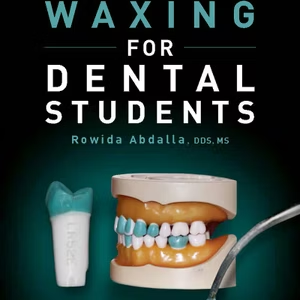 Waxing For Dental Students
1 × Rp1.346.400
-
×
 Surgical And Radiologic Anatomy For Oral Implantology
8 × Rp5.181.600
-
×
 Understanding Bruxism - Current Knowledge and Practice
4 × Rp3.570.000
-
×
 Managing Endodontic Failure In Practice
1 × Rp999.600
-
×
 Course: Essentials of Anterior Implant – Part 3: Prosthetics Management
2 × Rp12.000.000
-
×
 Course: Essentials of Anterior Implant – Part 1
2 × Rp18.000.000
-
×
 Panoramic Radiography
2 × Rp999.600
-
×
 Principles Of Esthetic Integration
1 × Rp3.468.000
-
×
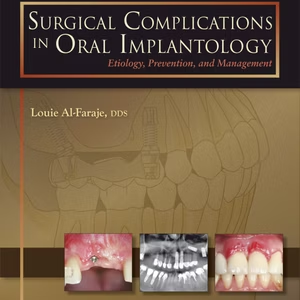
 Surgical Complications In Oral Implantology: Etiology, Prevention And Management
5 × Rp4.467.600
-
×
 Proceedings Euro Wkshp Mech Plaque Control
1 × Rp1.060.800
-
×
 Fixed Prosthodontics In Dental Practice
3 × Rp999.600
-
×
 Ceramics In Dentistry Principles And Practice
1 × Rp918.000
-
×
 Rehab Complex Cleft Palate & Craniomax
1 × Rp2.529.600
-
×
 Course: Digitally Guided Implant Surgery and Restoration for Single Tooth Replacement
3 × Rp8.000.000
-
×
 Soft Tissue Management: The Restorative Perspective
1 × Rp3.896.400
-
×
 Biomechanics/Osteosynthesis Condylar
5 × Rp2.488.800
-
×
 Ridge Preservation And Immediate Implantation
1 × Rp5.242.800
-
×
 Bells Orofacial Pains 6 Edition
1 × Rp1.774.800
-
×
 Problems & Procedures Dent Ortho Vol4
1 × Rp1.591.200
-
×
 Orofacial Pain: From Basic Science To Clinical Management, Second Edition
2 × Rp1.693.200
-
×
 Shortcuts In Esthetic Dentistry
1 × Rp6.752.400
-
×
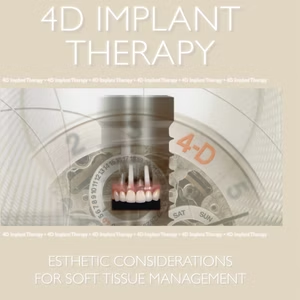 4D Implant Therapy: Esthetic Consideration For Soft Tissue Management
3 × Rp3.835.200
-
×
 Bells Oral And Facial Pain 7Th Edition
5 × Rp2.346.000
-
×
 Best Practice: 77 Problem Case Solutions, Prescriptions And Laboratory Tests In Dental Practice
4 × Rp1.346.400
-
×
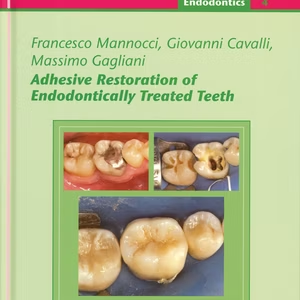 Adhesive Restoration Of Endodontically Treated Teeth
2 × Rp999.600
-
×
 Proceedings Of The 1St International Workshop Of Evidence Based Dentistry On Lasers In Dentistry
1 × Rp1.285.200
-
×
 Atlas Of Laser Applications In Dentistry
1 × Rp3.121.200
-
×
 Qdt 2016
1 × Rp3.121.200
-
×
 Complete Dentures Volume 2: From Plan To Prob Solving
2 × Rp999.600
-
×
 Case Reports In Pediatric Dentistry
1 × Rp2.550.000
-
×
 Fundamentals Of Tooth Preparations
2 × Rp2.060.400
-
×
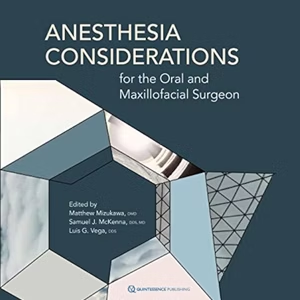 Anesthesia Considerations For Oral And Maxillofacial Surgeon
1 × Rp4.977.600
-
×
 Prosthodontics For The Elderly
1 × Rp2.407.200
-
×
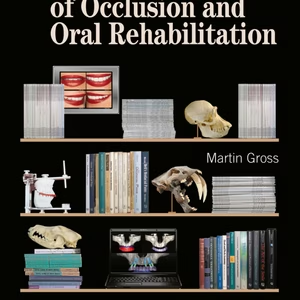 The Science And Art Of Occlusion And Oral Rehabilitation
3 × Rp7.813.200
-
×
 Periodontal Diagnosis And Therapy
1 × Rp6.915.600
-
×
 Quintessence Of Dental Technology 2014
3 × Rp3.060.000
-
×
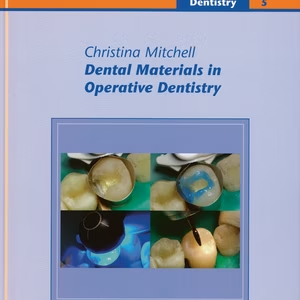 Dental Materials In Operative Dentistry
3 × Rp999.600
-
×
 Twenty-First Century Imaging
1 × Rp999.600
-
×
 Periodontics And Restorative Maintenance
1 × Rp9.159.600
-
×
 Fundamentals Of Fixed Prosth: Fourth Edition
1 × Rp3.121.200
-
×
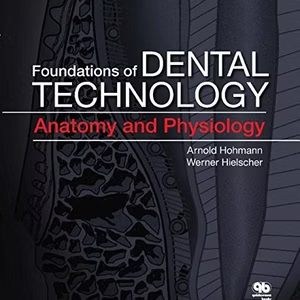 Foundations Of Dental Technology
3 × Rp2.264.400
-
×
 Art Of Detailing: Philosophical Foundations
2 × Rp5.242.800
-
×
 Atlas Of Dental Rehabilitation Techniques
7 × Rp6.222.000
-
×
 Oral & Intravenous Bisphosphonate-Induced Osteonecrosis Of The Jaws
1 × Rp2.060.400
-
×
 Practical Dental Local Anaesthesia Second Edition
1 × Rp999.600
-
×
 Endodontic Surgery
1 × Rp530.400
-
×
 Periodontal Surgery
1 × Rp9.445.200
-
×
 A Concept Of 'En Bloc' Movement Of Teeth Using Gummetal Wire
1 × Rp2.835.600
-
×
 Atlas Of Removable Partial Denture Des
2 × Rp1.693.200
-
×
 Qdt 2017
2 × Rp4.406.400
-
×
 Dental Visualization
2 × Rp3.978.000
-
×
 Atlas Of Tooth & Imp-Supp Prosthodontics
2 × Rp2.978.400
-
×
 Endodontic-Periodontal Lesions
2 × Rp3.468.000
-
×
 Periodontal Review
1 × Rp1.632.000
-
×
 Science & Art Porcelain Laminate Veneer
1 × Rp5.242.800
-
×
 Prosthetic Substitution Blood Vessels
2 × Rp1.591.200
-
×
 Mini-Implants In Orthodontics: Innovative Anchorage Concepts
1 × Rp3.468.000
-
×
 Promoting The Oral Health Care Of Children: Theory And Practice Second Edition
1 × Rp2.407.200
-
×
 What’s in Your Mouth? What’s in Your Child’s Mouth?
1 × Rp612.000
-
×
 Quintessence of Dental Technology 2019
3 × Rp3.182.400
-
×
 Esthetic Rehab In Fixed Prosth Vol2
2 × Rp8.160.000
-
×
 Aesthetic Dental Strategies
1 × Rp3.835.200
-
×
 Course: Bone Regeneration: A Biocentric Concept Part 2 of 2 Series – Ridge Augmentation
2 × Rp6.000.000
-
×
Esthetic Rehab In Fixed Prosth Vol1
4 × Rp5.956.800
-
×
 Decision Making For Periodontal Team
3 × Rp999.600
-
×
 Indirect Restorations
3 × Rp999.600
-
×
 Atlas Of Cone Beam Volumetric Imaging For Applications Second Edition
4 × Rp3.406.800
-
×
 Prosthetic Rehabilitation
2 × Rp3.468.000
-
×
 Infection Control For The Dental Team
3 × Rp714.000
-
×
 Fundamentals Of Operative Dentistry, 3Rd Edition
1 × Rp2.203.200
-
×
 Fixed Prosthodontics
2 × Rp3.202.800
-
×
 Endodontology: An Integrated Biology And Clinical View
1 × Rp5.956.800
-
×
 Contemporary Periodontal Surgery: An Illustrated Guide to the Art behind the Science
2 × Rp999.600
-
×
 Advances In Restorative Dentistry
1 × Rp3.631.200
-
×
 Evidence Based Dentistry
1 × Rp999.600
-
×
 Clinician's Handbook Of Oral And Maxillofacial Surgery Second Edition
2 × Rp4.977.600
-
×
 Tooth Whitening
1 × Rp2.264.400
-
×
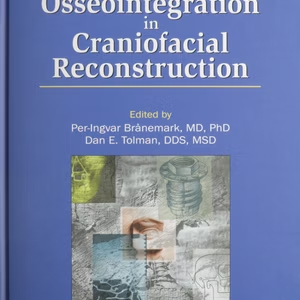 Osseointegration In Craniofacial Recon
2 × Rp3.937.200
-
×
 The Sinus Bone Graft
4 × Rp4.977.600
-
×
 Quintessence of Dental Technology 2013
1 × Rp3.060.000
-
×
 Occlusal Adjustments In Implants And Natural Dentition: 3D Occlusion
1 × Rp4.039.200
-
×
 Art Of The Smile
1 × Rp5.956.800
-
×
 Tooth Whitening In Esthetic Dentistry
1 × Rp3.835.200
-
×
 Advanced Immediate Loading
5 × Rp3.692.400
-
×
 Zero Bone Loss Concepts
5 × Rp4.794.000
-
×
 Orofacial Pain: Guidelines Assess 5Ed
1 × Rp1.142.400
-
×
 Oral & Maxillofacial Surgery Review: A Study Guide
2 × Rp2.121.600
-
×
 Managing Dental Trauma In Practice
1 × Rp999.600
-
×
 Practical Conscious Sedation Second Edition
4 × Rp999.600
-
×
 Orthodontics:The Art And Science Of Dentofacial Enhancement
2 × Rp3.264.000
-
×
 Course: Essentials of Anterior Implant – Part 4: Tissue Stability through Implant Designs
1 × Rp9.000.000
-
×
 Dental Erosion
1 × Rp1.815.600
-
×
 20 Principles Of The Alexander Discipline
1 × Rp3.121.200
-
×
 Layers
1 × Rp5.854.800
-
×
 Periodontal Management Of Children
1 × Rp999.600
-
×
 Periodontal Medicine
2 × Rp1.693.200
-
×
 Implants In The Esthetic Zone: A Step By Step Treatment
1 × Rp9.445.200
-
×
 Reintervention In Endodontics
1 × Rp4.263.600
-
×
 Advances In Operative Dentistry (Vol1)
1 × Rp2.448.000
-
×
 Course: Bone Regeneration: A Biocentric Concept Part 1 of 2 Series – Socket Augmentation
1 × Rp2.000.000
-
×
 Color Atlas Of Fixed Prosthodontics
1 × Rp1.428.000
-
×
 Art Of Passion: Teeth, Ceramics, Faces And Places
1 × Rp3.549.600
-
×
 Endodontics Review
2 × Rp1.774.800
-
×
 Bioaesthetics In Oral Rehabilitation: Science, Art And Creativity
3 × Rp8.874.000
-
×
 Oral & Maxillofacial Pathology: Second Edition
2 × Rp11.546.400
-
×
 Oral Manifestation Hiv Infection
2 × Rp1.591.200
-
×
 Dental Team Companion
1 × Rp999.600
-
×
 LIT: The Simple Protocol for Dental Photography in the Age of Social Media
1 × Rp3.610.800
-
×
 Restoring With Flowables
1 × Rp4.549.200
-
×
 Applications Of Orthodontic Mini Implants
1 × Rp3.468.000
-
×
 Clinical Success In Invisalign Orthodontic Treatment
1 × Rp2.876.400
-
×
 Invisalign System
1 × Rp2.488.800
-
×
 Oral Structure & Biology
2 × Rp4.610.400
-
×
 An Introduction To Forensic Odontology
1 × Rp326.400
-
×
 Clinical Oral Physiology
1 × Rp1.774.800
-
×
 Orthodontic Setup
1 × Rp2.672.400
-
×
 Oral Health-Related Quality Of Life
1 × Rp1.203.600
-
×
 Implantology In General Dental Practice
1 × Rp999.600
-
×
 Communicating In Dental Practice
1 × Rp999.600
Uncategorized
The Importance of Pediatric Dental Care: Setting the Foundation for a Lifetime of Healthy Smiles
Good dental habits begin at a young age, and pediatric dental care plays a crucial role in ensuring children develop strong, healthy teeth. Early dental visits not only help children maintain healthy teeth, but they also instill positive habits that last a lifetime. In this blog post, we’ll discuss why pediatric dental care is important, how to ensure your child’s dental health, and the steps parents can take to promote strong teeth and gums from childhood through adolescence.
Why Pediatric Dental Care is Essential
Many parents may not realize the importance of dental care in the early years, often assuming that baby teeth aren’t as important because they eventually fall out. However, taking care of baby teeth is vital for a number of reasons:
1. Baby Teeth Play a Crucial Role in Permanent Teeth Development
While baby teeth will eventually fall out, they serve several critical purposes in the development of permanent teeth. Healthy baby teeth help guide the permanent teeth into proper positions. If a baby tooth is lost prematurely due to decay or injury, it can lead to alignment issues with the adult teeth and may even require orthodontic treatment later on.
2. Preventing Cavities and Oral Disease Early On
Cavities and tooth decay can affect children of all ages, even those with baby teeth. Untreated cavities can cause pain, infection, and complications that affect both the baby teeth and the development of permanent teeth. Early visits to the dentist can help catch issues before they become serious, preventing the need for more extensive dental treatments later.
3. Setting the Stage for Good Oral Hygiene Habits
The habits children form early in life can set the stage for their oral health as they grow older. By visiting the dentist regularly and establishing a solid oral care routine, children can learn the importance of brushing and flossing their teeth, avoiding sugary foods, and keeping their smiles healthy for life.
When Should Your Child First Visit the Dentist?
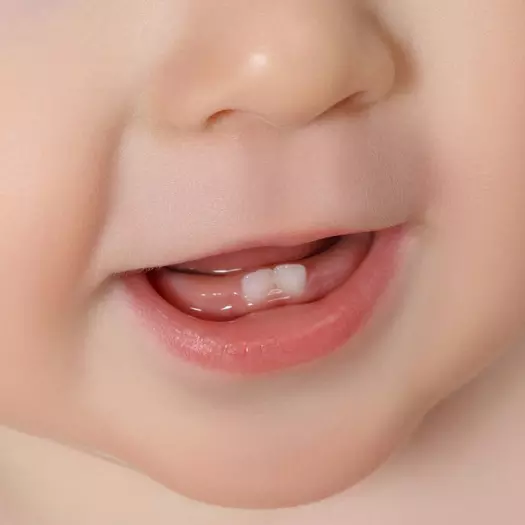
The American Dental Association (ADA) recommends that children have their first dental visit by their first birthday, or within six months after their first tooth erupts. Although this might seem early, it’s the perfect time to establish a positive relationship with the dentist and learn about proper oral care practices for babies.
During the first visit, the dentist will check for any early signs of tooth decay, gum disease, or other issues. They will also discuss best practices for caring for your child’s teeth, including tips on brushing, teething, and nutrition. Even though the child may not have many teeth yet, this early visit helps set the foundation for lifelong oral health.
How to Care for Your Baby’s Teeth and Gums
From the time your baby is born, there are steps you can take to help protect their oral health. Here’s how to start:
1. Cleaning Your Baby’s Gums
Even before your baby’s teeth come in, it’s important to keep their gums clean. After feedings, gently wipe your baby’s gums with a soft, damp cloth or a baby-friendly gum brush. This helps prevent bacteria buildup and prepares the mouth for the eruption of teeth.
2. Teething Tips
Teething can be uncomfortable for babies, but there are ways to help soothe them. Offer chilled teething rings or a clean, damp washcloth for them to chew on. Make sure to avoid teething gels or toys that contain harmful chemicals. You can also gently massage your baby’s gums to help alleviate pain.
3. Brushing Baby Teeth
Once your baby’s first tooth appears, start brushing with a soft-bristled toothbrush and a small amount of fluoride toothpaste (about the size of a grain of rice). Begin brushing twice a day, focusing on the front and back of the teeth. Even though baby teeth are temporary, caring for them is essential for long-term oral health.
Common Pediatric Dental Issues
Just like adults, children are susceptible to a variety of dental issues. Some common pediatric dental problems include:
1. Cavities and Tooth Decay
Cavities are one of the most common dental issues among children. Poor oral hygiene, sugary diets, and lack of regular dental visits can increase the risk of tooth decay. Cavities in baby teeth should be treated promptly to prevent damage to the permanent teeth underneath.
2. Thumb-Sucking and Pacifier Use
Thumb-sucking and pacifier use are normal behaviors for babies, but extended use can lead to dental problems, including misalignment of the teeth and changes in the roof of the mouth. It’s best to begin weaning your child off thumb-sucking and pacifiers by age 2 or 3.
3. Early Childhood Caries (ECC)
Early Childhood Caries is a severe form of tooth decay that affects young children. It’s often caused by frequent exposure to sugary liquids, especially when a child falls asleep with a bottle of milk, juice, or formula. ECC can cause significant damage to baby teeth, and in some cases, the permanent teeth that follow.
4. Teeth Grinding (Bruxism)
Children may grind their teeth at night or during stressful situations, which can lead to enamel wear and jaw pain. In some cases, a pediatric dentist might recommend a custom mouthguard to protect your child’s teeth while they sleep.
Promoting Healthy Dental Habits in Kids
It’s never too early to start teaching your child about the importance of oral health. Here are some strategies to encourage good habits:
1. Make Brushing Fun
Use age-appropriate toothbrushes and toothpaste with fun colors or characters. Let your child pick out their toothbrush, and make brushing a fun and interactive activity. Play music, sing a brushing song, or create a reward system to keep them motivated.
2. Limit Sugary Foods and Drinks
Sugar is a major contributor to tooth decay, so limiting your child’s intake of sugary foods and drinks is essential. Offer healthier snacks like fruits, vegetables, and cheese, and encourage your child to drink water instead of sugary drinks.
3. Lead by Example
Children are more likely to adopt healthy habits if they see their parents practicing good oral care. Set a good example by brushing and flossing your teeth regularly and scheduling your own dental visits.
4. Regular Dental Check-ups
Schedule regular dental visits every six months to ensure your child’s teeth and gums are developing properly. These visits allow the dentist to monitor their oral health, provide professional cleanings, and detect any potential problems early.
The Role of Pediatric Dentists
Pediatric dentists are specially trained to handle the unique dental needs of children. They provide gentle care, help alleviate any fears or anxieties about dental visits, and educate both children and parents on the importance of good oral hygiene. If you’re looking for a dentist for your child, make sure to choose one who specializes in pediatric dentistry to ensure they receive the best possible care.
Conclusion: Investing in Your Child’s Dental Future
Pediatric dental care is an essential part of setting your child up for a lifetime of healthy smiles. Starting early with good habits, regular dental visits, and a commitment to oral hygiene can help prevent dental issues and ensure that your child’s teeth develop properly. By investing in your child’s dental health now, you’re giving them the foundation they need for a healthy smile that will last into adulthood.
If you’re unsure where to start or have concerns about your child’s oral health, schedule a consultation with a pediatric dentist today. They can provide guidance tailored to your child’s needs and help you navigate their dental care journey with confidence.
