
-
×
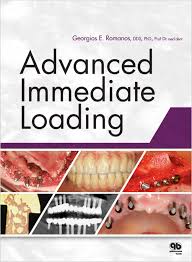 Advanced Immediate Loading
2 × Rp3.692.400
Advanced Immediate Loading
2 × Rp3.692.400 -
×
 Atlas of Periodontology and Implant Therapy
2 × Rp9.588.000
Atlas of Periodontology and Implant Therapy
2 × Rp9.588.000 -
×
 Autotransplantation Of Teeth
1 × Rp3.468.000
Autotransplantation Of Teeth
1 × Rp3.468.000 -
×
 Atlas Of Cosmetic Dentistry
2 × Rp4.263.600
Atlas Of Cosmetic Dentistry
2 × Rp4.263.600 -
×
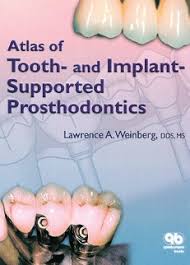 Atlas Of Tooth & Imp-Supp Prosthodontics
1 × Rp2.978.400
Atlas Of Tooth & Imp-Supp Prosthodontics
1 × Rp2.978.400 -
×
 The Sinus Bone Graft
1 × Rp4.977.600
The Sinus Bone Graft
1 × Rp4.977.600 -
×
 Biomechanics/Osteosynthesis Condylar
2 × Rp2.488.800
Biomechanics/Osteosynthesis Condylar
2 × Rp2.488.800 -
×
 Attachments In The Laboratory
1 × Rp2.346.000
Attachments In The Laboratory
1 × Rp2.346.000 -
×
 Art Of Computer-Guided Implantology
1 × Rp3.733.200
Art Of Computer-Guided Implantology
1 × Rp3.733.200 -
×
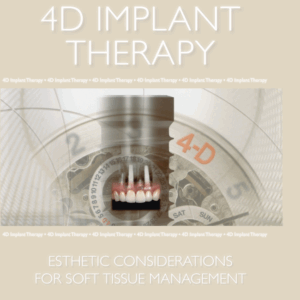 4D Implant Therapy: Esthetic Consideration For Soft Tissue Management
2 × Rp3.835.200
4D Implant Therapy: Esthetic Consideration For Soft Tissue Management
2 × Rp3.835.200 -
×
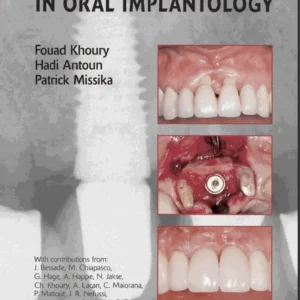 Bone Augmentation In Oral Implantology
1 × Rp3.345.600
Bone Augmentation In Oral Implantology
1 × Rp3.345.600 -
×
 Implant Therapy - Clinical Approaches and Evidence of Success
1 × Rp8.445.600
Implant Therapy - Clinical Approaches and Evidence of Success
1 × Rp8.445.600 -
×
 Best Practice: 77 Problem Case Solutions, Prescriptions And Laboratory Tests In Dental Practice
1 × Rp1.346.400
Best Practice: 77 Problem Case Solutions, Prescriptions And Laboratory Tests In Dental Practice
1 × Rp1.346.400 -
×
 ITI Treatment Guide Volume 11: Digital Workflows in Implant Dentistry
1 × Rp2.284.800
ITI Treatment Guide Volume 11: Digital Workflows in Implant Dentistry
1 × Rp2.284.800 -
×
 Next-Generation Biomaterials For Bone And Periodontal Regeneration
1 × Rp6.528.000
Next-Generation Biomaterials For Bone And Periodontal Regeneration
1 × Rp6.528.000 -
×
 Indirect Restorations
1 × Rp999.600
Indirect Restorations
1 × Rp999.600

Uncategorized
The Importance of Dental Hygiene for Children: Tips for Developing Healthy Habits Early
Oral hygiene is just as important for children as it is for adults, and the earlier kids learn the importance of taking care of their teeth, the better. From baby teeth to permanent teeth, maintaining good oral hygiene from a young age can prevent future dental issues and help children establish healthy habits that last a lifetime. In this blog post, we’ll discuss why dental hygiene is essential for children and share tips to make brushing and flossing fun and effective for kids.
Why Dental Hygiene is Crucial for Children
Children are prone to cavities, gum disease, and other dental issues because their teeth are still developing, and they may not have the skills to clean their teeth effectively. Without proper oral hygiene, children are at risk of tooth decay, infections, and other dental problems that can affect their overall health.
Here’s why dental hygiene is crucial for children:
Preventing Cavities: Kids often consume sugary foods and drinks, which can lead to plaque buildup and tooth decay. Regular brushing and flossing help remove plaque before it can turn into cavities.
Promoting Healthy Gums: Gum disease can start early in life if a child doesn’t maintain proper dental care. Healthy gums help support strong teeth and prevent infections.
Creating Healthy Habits for Life: Teaching kids good oral hygiene habits early on sets the foundation for lifelong dental health. Kids who practice good habits are more likely to maintain them as adults.
Building Confidence: A healthy smile boosts a child’s self-esteem and confidence, helping them feel good about their appearance and promoting positive social interactions.
Tips for Teaching Children Good Dental Hygiene
Start Early
Good oral hygiene should begin as soon as your baby’s first tooth appears, usually around six months of age. Even though babies don’t have teeth yet, you can begin wiping their gums with a soft cloth to remove bacteria and food particles. Once teeth appear, use a small, soft-bristled toothbrush with a tiny amount of fluoride toothpaste to gently clean their teeth.
Tip: Begin brushing your child’s teeth twice a day—once in the morning and once before bedtime.
Make Brushing Fun
Children are more likely to develop good dental habits when they find brushing fun and engaging. Make the experience enjoyable by playing their favorite song, using a fun toothbrush with their favorite character, or letting them choose their toothpaste flavor.
Tip: Consider investing in an electric toothbrush with fun designs and features, which can make brushing more exciting for kids.
Use the Right Amount of Toothpaste
For children under the age of three, use only a tiny smear of fluoride toothpaste (about the size of a grain of rice). For kids aged three to six, use a pea-sized amount. Too much toothpaste can lead to excess fluoride ingestion, which may cause dental fluorosis.
Tip: Supervise your child while brushing to ensure they’re using the right amount of toothpaste and not swallowing it.
Teach Proper Brushing Techniques
It’s important to teach children the correct way to brush their teeth. Guide them to use gentle, circular motions rather than scrubbing back and forth. Ensure they’re brushing all surfaces of the teeth, including the outer, inner, and chewing surfaces. Don’t forget to clean the tongue and the roof of the mouth to remove bacteria.
Tip: You can teach them by brushing your own teeth together and making it a fun, family activity.
Make Flossing a Habit
Flossing is just as important as brushing, but it can be difficult for young children to do on their own. Begin flossing your child’s teeth as soon as two teeth touch each other. Gradually teach them how to floss independently once they are around 6-7 years old and have the manual dexterity to do so.
Tip: If your child is too young to floss, you can use floss picks, which are easier for small hands to handle.
Encourage Healthy Eating Habits
Diet plays a major role in dental health. Encourage your child to eat a balanced diet that includes plenty of fruits, vegetables, and whole grains. Limit sugary snacks and drinks, as they can contribute to cavities. Healthy snacks like cheese, yogurt, and apples can help clean teeth and provide essential nutrients.
Tip: Offer water and milk as beverage options instead of sugary drinks like soda or juice.
Establish a Routine
Children thrive on routine, and establishing a consistent oral hygiene schedule helps them understand the importance of taking care of their teeth. Set a regular brushing schedule, and make sure brushing and flossing are done at the same time every day, preferably after meals.
Tip: Create a reward system, such as a sticker chart, to motivate your child to brush and floss regularly.
Visit the Dentist Early
The American Academy of Pediatric Dentistry recommends that children visit the dentist by their first birthday or within six months of getting their first tooth. Early dental visits help prevent dental problems and allow your child to become familiar with the dentist’s office. It’s also a good opportunity for your dentist to check for early signs of cavities or gum issues.
Tip: Make the first dental visit fun and stress-free by reading books about going to the dentist and explaining what will happen during the visit.
Be a Positive Role Model
Children learn by example, so it’s important to model good dental hygiene habits yourself. Brush and floss your teeth together, and show your child that taking care of your teeth is a lifelong responsibility.
Tip: Turn brushing and flossing into a bonding time for you and your child. This will encourage them to form their own healthy habits.
Signs That Your Child May Have Dental Problems
Despite your best efforts, dental problems can still arise. Be on the lookout for signs that your child may be experiencing dental issues:
Tooth pain or sensitivity
Bleeding gums when brushing or flossing
Swollen or red gums
Bad breath
Teeth that are loose or chipped
Difficulty chewing or talking
If you notice any of these signs, consult with your child’s dentist for an evaluation and treatment plan.
Conclusion: Healthy Teeth for a Healthy Future
Developing good oral hygiene habits at an early age is key to setting your child up for a lifetime of healthy teeth and gums. By following these tips and making oral care a fun and consistent part of your child’s daily routine, you’ll help them build the foundation for a confident and healthy smile.
