
-
×
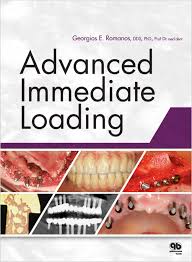 Advanced Immediate Loading
2 × Rp3.692.400
Advanced Immediate Loading
2 × Rp3.692.400 -
×
 Atlas Of Cone Beam Volumetric Imaging For Applications Second Edition
1 × Rp3.406.800
Atlas Of Cone Beam Volumetric Imaging For Applications Second Edition
1 × Rp3.406.800 -
×
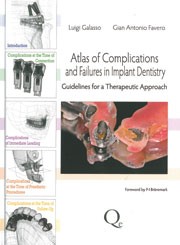 Atlas Of Complications And Failures In Implant Dentistry: Guidelines For A Therapeutic Approach
1 × Rp7.813.200
Atlas Of Complications And Failures In Implant Dentistry: Guidelines For A Therapeutic Approach
1 × Rp7.813.200 -
×
 Zero Bone Loss Concepts
1 × Rp4.794.000
Zero Bone Loss Concepts
1 × Rp4.794.000 -
×
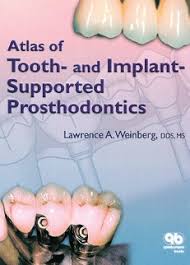 Atlas Of Tooth & Imp-Supp Prosthodontics
1 × Rp2.978.400
Atlas Of Tooth & Imp-Supp Prosthodontics
1 × Rp2.978.400 -
×
 The Sinus Bone Graft
1 × Rp4.977.600
The Sinus Bone Graft
1 × Rp4.977.600 -
×
 4D Implant Therapy: Esthetic Consideration For Soft Tissue Management
1 × Rp3.835.200
4D Implant Therapy: Esthetic Consideration For Soft Tissue Management
1 × Rp3.835.200 -
×
 ITI Treatment Guide Volume 11: Digital Workflows in Implant Dentistry
1 × Rp2.284.800
ITI Treatment Guide Volume 11: Digital Workflows in Implant Dentistry
1 × Rp2.284.800 -
×
 Autologous Blood Concentrates
1 × Rp5.895.600
Autologous Blood Concentrates
1 × Rp5.895.600
Uncategorized
Understanding Dental Anxiety: How to Stay Calm During Your Appointment
ChatGPT said:
Here’s another fresh topic for your dental blog:
🦷 Blog Topic: “Understanding Dental Anxiety: How to Stay Calm During Your Appointment”
Understanding Dental Anxiety: How to Stay Calm During Your Appointment
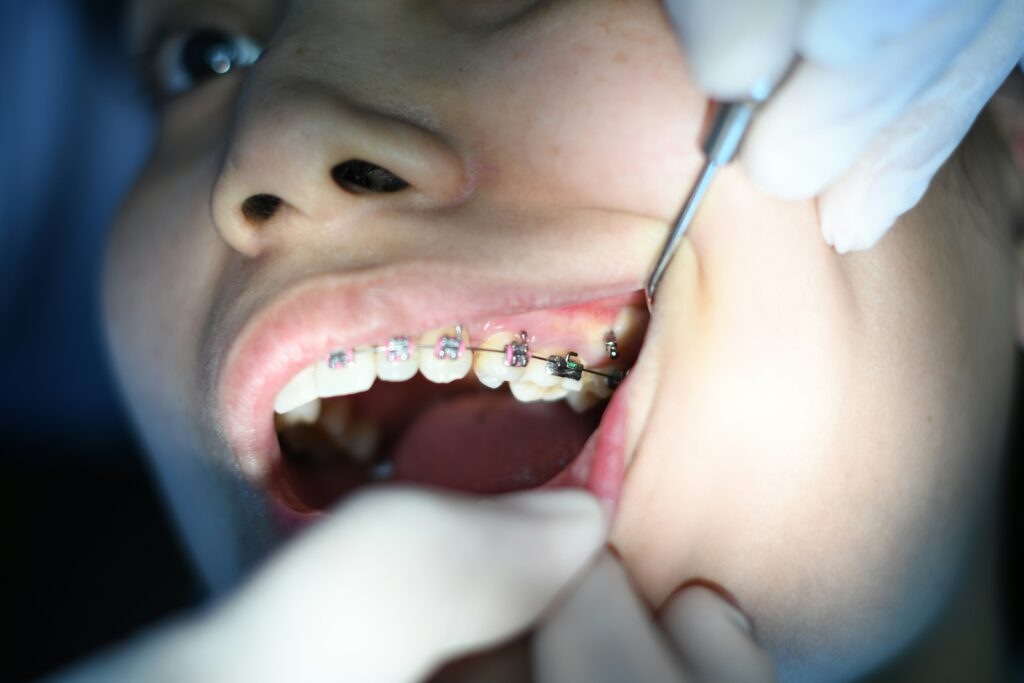
For many people, the thought of visiting the dentist can be stressful or even terrifying. Dental anxiety is a common issue that affects a large number of individuals, preventing them from seeking necessary dental care. Whether it’s the sounds of dental tools, fear of pain, or past traumatic experiences, these feelings can significantly impact a person’s oral health.
Fortunately, there are many ways to manage and overcome dental anxiety. In this blog, we’ll explore the causes of dental anxiety, its impact on your health, and practical tips to help you stay calm during your dental appointments.
🦷 What Is Dental Anxiety?
Dental anxiety is a type of fear that many people experience when they think about visiting the dentist. This fear can range from mild discomfort to full-blown panic attacks, and it can be triggered by various factors. Some of the most common reasons people feel anxious about dental visits include:
Fear of pain: Concerns about experiencing pain during a procedure, such as a filling or cleaning.
Previous negative experiences: Past traumatic dental visits can lead to heightened anxiety.
Fear of needles: Many people are afraid of the injections required for local anesthesia.
Loss of control: The feeling of being in a vulnerable position while lying in the dental chair can be overwhelming for some individuals.
Embarrassment about oral health: Some patients feel self-conscious about the condition of their teeth and gums, which can exacerbate anxiety.
🦷 The Impact of Dental Anxiety on Oral Health
Unfortunately, avoiding the dentist due to anxiety can lead to worse outcomes for your oral health. When people skip regular checkups or put off treatments, small dental issues like cavities or gum disease can develop into more serious problems that require costly and invasive procedures.
Consequences of Untreated Dental Issues Due to Anxiety:
Tooth decay: Small cavities can grow larger and cause pain or infection.
Gum disease: Without regular cleanings, plaque can build up, leading to gum disease and eventually tooth loss.
Increased dental costs: The longer you wait to address dental problems, the more expensive the treatment can become.
🦷 How to Manage and Overcome Dental Anxiety
If you experience dental anxiety, know that you’re not alone, and there are several strategies you can use to manage your fear and make your visits to the dentist more comfortable.
1. Talk to Your Dentist About Your Fears
One of the best things you can do when experiencing dental anxiety is to be open and honest with your dentist. Let them know about your fears and concerns before your appointment so they can tailor the visit to your needs. Many dental offices are equipped with techniques and tools to help anxious patients feel more at ease.
Tips:
Ask about sedation options (like nitrous oxide or oral sedatives).
Discuss the procedure in detail so you know what to expect and can feel more prepared.
Request breaks during treatment if you need time to relax or regroup.
2. Consider Sedation Dentistry
Sedation dentistry can help you relax and feel more comfortable during dental procedures. There are different types of sedation available, including:
Nitrous oxide (laughing gas): This mild sedative helps you feel relaxed without making you completely unconscious.
Oral sedation: This involves taking a sedative pill before your appointment to help you feel calm and relaxed.
IV sedation: For more complex procedures, IV sedation can be used to deeply relax you, though you will remain awake and responsive.
These options can help alleviate anxiety and make your dental appointments much more manageable.
3. Practice Relaxation Techniques
There are several relaxation techniques that you can try before and during your appointment to help calm your nerves. These methods can help reduce stress and make you feel more in control of your emotions.
Techniques to Try:
Deep breathing: Practice slow, deep breathing to help relax your body and mind.
Progressive muscle relaxation: Tense and release different muscle groups to help release tension.
Visualization: Close your eyes and imagine yourself in a peaceful, relaxing place. This can help shift your focus away from the dental procedure.
Listening to music or podcasts: Bring your favorite calming playlist or podcast to distract you during the procedure.
4. Bring a Friend or Family Member
If you feel more comfortable with support, consider bringing a friend or family member to your appointment. Having someone you trust in the room can help ease your anxiety and make you feel more at ease.
5. Use Positive Affirmations
Positive affirmations can be a powerful tool in overcoming anxiety. Before your appointment, take a few moments to repeat positive statements to yourself. This can help reframe your thoughts and reduce fear.
Examples of Positive Affirmations:
“I am in control of my fear and will get through this.”
“My dentist is here to help me and will ensure I am comfortable.”
“I am taking steps to improve my oral health.”
🦷 How to Choose a Dentist Who Understands Your Anxiety
Finding a dentist who is understanding and empathetic to your anxiety can make a huge difference in your experience. Look for a dentist who specializes in treating anxious patients and offers a variety of comfort options, such as sedation or calming techniques.
What to Look for in a Dentist:
Experience with anxious patients: Ask if the dental office has experience working with patients who have dental anxiety and whether they offer specific accommodations.
Gentle approach: Choose a dentist who uses a gentle, patient-centered approach to treatment.
Comfort-focused office environment: Look for a practice that prioritizes patient comfort, with amenities such as soothing music, relaxing decor, and compassionate staff.
🦷 Final Thoughts: Take Control of Your Dental Health
Dental anxiety is a common issue, but it doesn’t have to prevent you from getting the care you need. By communicating openly with your dentist, utilizing relaxation techniques, and exploring sedation options, you can overcome your fear and take control of your oral health.
Remember, regular dental visits are essential for maintaining healthy teeth and gums. Don’t let anxiety stand in the way of your smile!
