
-
×
 Zero Bone Loss Concepts
1 × Rp4.794.000
Zero Bone Loss Concepts
1 × Rp4.794.000 -
×
 Oral & Intravenous Bisphosphonate-Induced Osteonecrosis Of The Jaws
1 × Rp2.060.400
Oral & Intravenous Bisphosphonate-Induced Osteonecrosis Of The Jaws
1 × Rp2.060.400 -
×
 Qdt 2017
1 × Rp4.406.400
Qdt 2017
1 × Rp4.406.400 -
×
 Quintessence of Dental Technology 2015
1 × Rp2.570.400
Quintessence of Dental Technology 2015
1 × Rp2.570.400 -
×
 Foundations Of Dental Technology
1 × Rp2.264.400
Foundations Of Dental Technology
1 × Rp2.264.400 -
×
 Waxing For Dental Students
1 × Rp1.346.400
Waxing For Dental Students
1 × Rp1.346.400 -
×
 Atlas of Periodontology and Implant Therapy
1 × Rp9.588.000
Atlas of Periodontology and Implant Therapy
1 × Rp9.588.000 -
×
 Atlas Of Laser Applications In Dentistry
1 × Rp3.121.200
Atlas Of Laser Applications In Dentistry
1 × Rp3.121.200
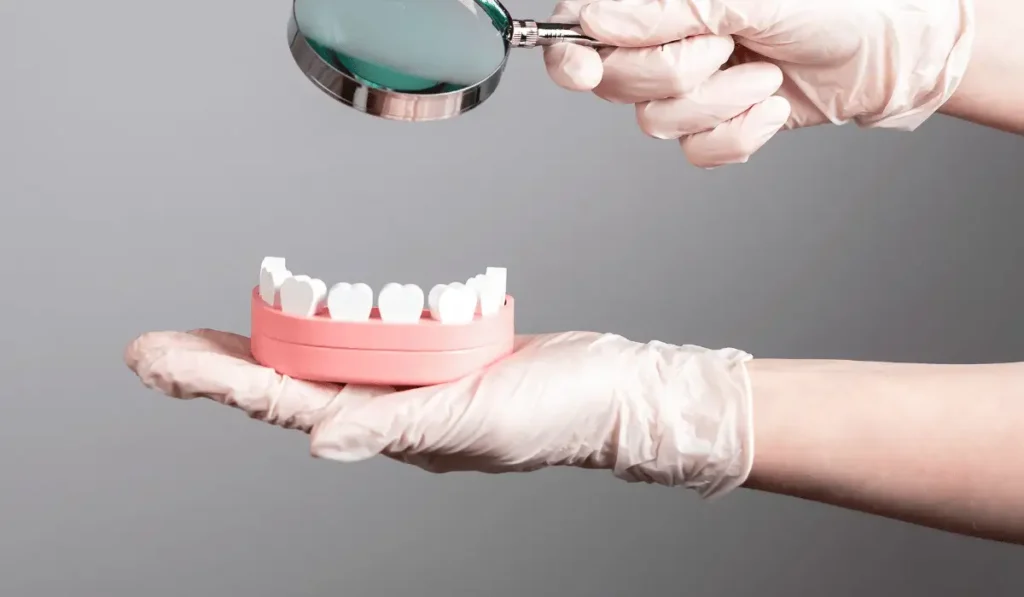
Uncategorized
The Importance of Preventive Dentistry: Why Early Care Saves You Time, Money, and Pain
When it comes to dental care, prevention is always better than cure. Preventive dentistry focuses on maintaining good oral health through regular checkups, cleanings, and early intervention. By prioritizing preventive care, you can avoid more complicated and costly treatments down the road. In this blog, we’ll explore why preventive dentistry is essential for maintaining a healthy smile and how it can save you both time and money.
🦷 What Is Preventive Dentistry?
Preventive dentistry refers to the practices, treatments, and habits aimed at preventing dental issues before they become serious. This includes regular visits to the dentist for cleanings and checkups, as well as practicing good oral hygiene at home. Preventive care helps catch potential problems early on, reducing the need for invasive treatments like root canals or extractions.
Key aspects of preventive dentistry include:
Regular checkups: Dentists can spot issues like cavities, gum disease, or oral cancer early.
Professional cleanings: Dental hygienists remove plaque and tartar buildup, which can lead to cavities and gum disease.
Fluoride treatments: Fluoride strengthens enamel and helps prevent tooth decay.
Sealants: Dental sealants provide a protective layer over your molars to prevent cavities.
X-rays: Dentists use X-rays to spot issues that may not be visible to the naked eye, such as bone loss or hidden cavities.
🦷 The Benefits of Preventive Dentistry
The advantages of preventive dentistry go far beyond just keeping your teeth looking good. Here are some of the key reasons why investing in preventive dental care is important for your overall health and well-being.
🦷 1. Reduces the Risk of Tooth Decay and Cavities
Tooth decay is one of the most common dental issues, but it is largely preventable with proper care. Preventive dentistry helps minimize the risk of cavities by detecting them early, before they have a chance to grow and cause significant damage. By having regular dental cleanings and fluoride treatments, you can strengthen your enamel and prevent the formation of cavities.
How preventive care helps with tooth decay:
Regular brushing and flossing keep plaque and bacteria at bay.
Fluoride strengthens enamel and helps prevent cavities.
Professional cleanings remove plaque and tartar buildup that can lead to decay.
🦷 2. Prevents Gum Disease
Gum disease, or periodontal disease, is a leading cause of tooth loss in adults. It starts as gingivitis (inflammation of the gums) and can progress to more severe forms if left untreated. Preventive dentistry plays a critical role in detecting gum disease early on, before it leads to bone loss and tooth loss. Regular cleanings and exams help prevent gum disease by removing plaque and tartar that cause inflammation.
How preventive care helps with gum disease:
Regular cleanings remove plaque buildup and prevent the onset of gingivitis.
Early detection of gum disease can prevent it from progressing to more severe stages.
Proper brushing and flossing reduce the risk of gum infection.
🦷 3. Saves You Time and Money
By taking preventive measures, you can save time and money in the long run. Early detection of dental problems allows for simpler, less expensive treatments, while delaying care can lead to more complicated procedures like root canals, crowns, or extractions. Preventive care also reduces the frequency of emergency visits, which are often more costly and time-consuming.
How preventive care saves you money:
Early intervention leads to less invasive and less costly treatments.
Regular checkups prevent the need for emergency dental care.
Preventive treatments like cleanings are less expensive than procedures for advanced dental problems.
🦷 4. Improves Your Overall Health
Your oral health is directly linked to your overall health. Conditions like gum disease have been associated with a higher risk of systemic issues such as heart disease, diabetes, and respiratory infections. By preventing oral health problems, you’re also protecting your general health and reducing your risk of developing other serious health conditions.
How preventive care supports overall health:
Preventing gum disease can reduce your risk of cardiovascular disease and stroke.
Good oral hygiene reduces the risk of systemic infections, such as pneumonia.
Maintaining oral health can help manage chronic conditions like diabetes.
🦷 5. Protects Against Oral Cancer
Oral cancer is a serious condition that can be life-threatening if not detected early. Regular dental exams include screenings for oral cancer, allowing your dentist to detect any abnormalities or signs of cancer at an early stage. Early detection is key to successful treatment and recovery.
How preventive care helps with oral cancer:
Dentists perform oral cancer screenings during routine checkups.
Early detection of oral cancer increases the chances of successful treatment.
Identifying risk factors for oral cancer allows for early intervention.
🦷 6. Improves Your Appearance and Confidence
Preventive dentistry isn’t just about health—it’s also about aesthetics. Regular cleanings help keep your teeth looking bright and clean, while routine exams can address any cosmetic issues such as stains or misalignments. Preventive care can also help you avoid the discomfort and embarrassment of bad breath caused by dental issues.
How preventive care improves your appearance:
Regular cleanings remove stains and plaque buildup, keeping your smile bright.
Early treatment of dental issues prevents cosmetic damage and tooth loss.
Maintaining healthy gums and teeth boosts confidence and self-esteem.
🦷 7. Strengthens Your Teeth for the Future
The earlier you start taking care of your teeth, the better they will serve you later in life. Preventive care ensures that your teeth stay strong and healthy as you age. By maintaining good oral hygiene and seeing the dentist regularly, you can avoid problems that could impact your ability to eat, speak, or smile comfortably in your later years.
How preventive care strengthens your teeth:
Preventive treatments, like fluoride and sealants, protect teeth from wear and tear.
Regular checkups help maintain the health and integrity of your teeth as you age.
Early detection of wear or decay allows for treatment before problems become severe.
🦷 Conclusion: Preventive Dentistry—The Key to a Healthy, Happy Smile
Preventive dentistry is not just about avoiding cavities—it’s about preserving your overall health, saving time and money, and maintaining a beautiful smile for years to come. By prioritizing preventive care, you’re investing in your long-term health and well-being. Make regular dental checkups and good oral hygiene habits a part of your routine, and you’ll be glad you did in the future.
