
-
×
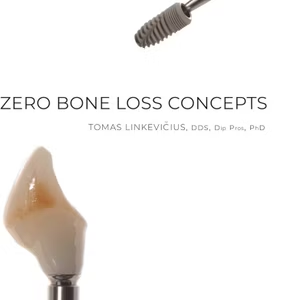 Zero Bone Loss Concepts
1 × Rp4.794.000
Zero Bone Loss Concepts
1 × Rp4.794.000 -
×
 Oral & Intravenous Bisphosphonate-Induced Osteonecrosis Of The Jaws
1 × Rp2.060.400
Oral & Intravenous Bisphosphonate-Induced Osteonecrosis Of The Jaws
1 × Rp2.060.400 -
×
 Qdt 2017
1 × Rp4.406.400
Qdt 2017
1 × Rp4.406.400 -
×
 Cosmetic Surgery For The Oral And Maxillofacial Surgeon
1 × Rp4.549.200
Cosmetic Surgery For The Oral And Maxillofacial Surgeon
1 × Rp4.549.200 -
×
 Dental Visualization
1 × Rp3.978.000
Dental Visualization
1 × Rp3.978.000 -
×
 The Ceramic Works: Dental Laboratory Clinical Atlas
1 × Rp2.264.400
The Ceramic Works: Dental Laboratory Clinical Atlas
1 × Rp2.264.400 -
×
 Oral And Intravenous Bisphosphonate-Induced Osteonecrosis Of The Jaws Second Edition
1 × Rp1.693.200
Oral And Intravenous Bisphosphonate-Induced Osteonecrosis Of The Jaws Second Edition
1 × Rp1.693.200 -
×
 Oral Laser Application
1 × Rp6.324.000
Oral Laser Application
1 × Rp6.324.000

Uncategorized
Menopause and Oral Health: What Every Woman Should Know
Menopause is a major life transition that brings a lot of physical and emotional changes—but did you know it can also affect your teeth and gums? As hormone levels shift, many women experience surprising oral health issues during perimenopause and beyond. This blog explores the link between menopause and oral health, what symptoms to watch for, and how to protect your smile during this phase of life.
🧬 What Happens to Oral Health During Menopause?
Estrogen plays a key role in maintaining healthy bones, gums, and saliva production. As levels drop during menopause, changes in the mouth can include:
Dry mouth (xerostomia)
Burning mouth syndrome
Increased risk of gum disease
Bone loss in the jaw
Changes in taste perception
These symptoms may appear gradually but can significantly impact quality of life and dental health.
💧 Dry Mouth: A Common Menopausal Symptom
Saliva is essential for neutralizing acids, washing away food particles, and keeping tissues moist. During menopause:
Salivary glands may become less active
Mouth feels sticky, especially at night
Higher risk of cavities and bad breath
💡 Quick tip: Sugar-free lozenges, chewing xylitol gum, and staying well-hydrated can help ease dry mouth.
🔥 Burning Mouth Syndrome (BMS)
Some women report a burning sensation on the tongue, lips, or roof of the mouth, even without visible irritation. This condition:
May be linked to estrogen deficiency
Can come and go unpredictably
Often coexists with anxiety, insomnia, or mood swings
Treatment may involve hormone therapy, topical treatments, or stress-reduction techniques.
🦷 Bone Loss and Tooth Stability
Decreasing estrogen levels contribute to bone density loss, including in the jaw. This can:
Loosen teeth
Worsen gum recession
Complicate dental implants or orthodontic treatments
💡 Post-menopausal women should get regular dental X-rays and consider a bone density scan if at risk.
🧼 Oral Hygiene Tips for Menopausal Women
Brush gently with a soft-bristle brush and fluoride toothpaste
Use alcohol-free mouthwash to avoid drying out tissues
Floss daily and consider water flossers for sensitive gums
Visit your dentist every 6 months for early detection
🥗 Diet & Supplements Can Help
A balanced diet can help counter hormonal changes. Focus on:
Calcium & Vitamin D for bone health
Omega-3s to reduce inflammation
Antioxidants to support tissue healing
Avoid spicy foods and caffeine if prone to BMS
👩⚕️ Talk to Your Dentist (and Your Doctor)
If you’re experiencing oral discomfort, don’t brush it off as just stress or aging. Hormonal changes can be treated—and your dental team can work closely with your doctor or gynecologist to create a personalized care plan.
📌 Conclusion: Menopause Isn’t Just Skin Deep—It Reaches Your Smile Too
Your mouth reflects what’s happening inside your body. By being proactive, informed, and in communication with your healthcare providers, you can keep your smile strong and healthy throughout menopause and beyond.
