
-
×
 Best Practice: 77 Problem Case Solutions, Prescriptions And Laboratory Tests In Dental Practice
1 × Rp1.346.400
Best Practice: 77 Problem Case Solutions, Prescriptions And Laboratory Tests In Dental Practice
1 × Rp1.346.400 -
×
 Dental Anatomy and Morphology
1 × Rp4.202.400
Dental Anatomy and Morphology
1 × Rp4.202.400 -
×
 Practical Implant Dentistry
1 × Rp2.407.200
Practical Implant Dentistry
1 × Rp2.407.200
Uncategorized
The Role of Nutrition in Preventing Tooth Decay
We all know that brushing and flossing are key to maintaining a healthy smile, but did you know that what you eat plays a critical role in preventing tooth decay? Your diet affects the strength of your teeth, the health of your gums, and the overall well-being of your mouth. In this post, we’ll explore how certain nutrients can protect your teeth and what foods you should avoid to reduce the risk of cavities.
🦷 1. The Sugar Connection: How Sugary Foods Fuel Tooth Decay
What it is:
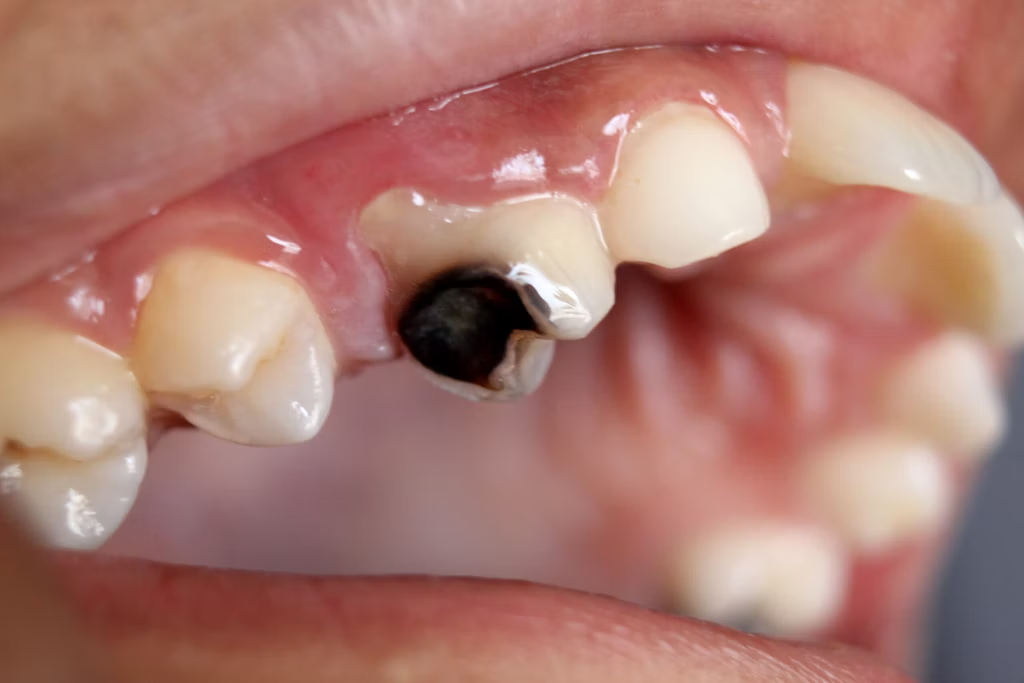
Sugar is a major contributor to tooth decay. When you consume sugary foods or drinks, the bacteria in your mouth feed on the sugar and produce acids. These acids then attack your tooth enamel, leading to cavities.
Why it happens:
The bacteria in your mouth thrive on sugar. When they digest it, they produce acid as a byproduct. This acid erodes the enamel, which is the protective outer layer of your teeth, making them more vulnerable to decay.
What to do:
Minimize sugary snacks, sodas, and processed foods in your diet.
Opt for healthier alternatives like fruits, veggies, and nuts.
If you do indulge in sugary foods, brush your teeth afterward to minimize the effects of acid exposure.
🦷 2. Calcium and Vitamin D: The Building Blocks of Strong Teeth
What it is:
Calcium is the primary mineral found in your teeth and bones. It plays a crucial role in tooth strength, helping to remineralize enamel that may have been weakened by acids. Vitamin D helps your body absorb calcium effectively, making it even more important for oral health.
Why it happens:
Without enough calcium, your teeth can become weak and more susceptible to decay. Similarly, insufficient vitamin D can reduce your body’s ability to absorb calcium, undermining the benefits of a calcium-rich diet.
What to do:
Include calcium-rich foods like dairy products (milk, cheese, yogurt), leafy greens (kale, spinach), and fortified plant-based milks in your diet.
Spend some time in the sun for natural vitamin D, or eat foods like fatty fish (salmon, mackerel), eggs, and fortified cereals.
🦷 3. Phosphorus: The Secret Partner in Tooth Health
What it is:
Phosphorus is an essential mineral that works alongside calcium to build strong teeth and bones. It helps protect the tooth enamel from damage and plays a vital role in the overall structure of your teeth.
Why it happens:
If you’re deficient in phosphorus, your teeth may become weaker and more prone to decay. It works synergistically with calcium, so it’s important to include both in your diet.
What to do:
Include phosphorus-rich foods like lean meats, fish, eggs, nuts, and legumes in your diet.
Phosphorus can also be found in dairy products, whole grains, and some seeds.
🦷 4. Vitamin C: Protecting Your Gums from Disease
What it is:
Vitamin C is well-known for its immune-boosting properties, but it’s also essential for maintaining healthy gums. It helps in the production of collagen, a protein that strengthens the connective tissues in your gums and supports their ability to resist infection.
Why it happens:
Without enough vitamin C, your gums may become inflamed, leading to gum disease (gingivitis) or even more serious periodontal disease. In severe cases, gum disease can cause tooth loss.
What to do:
Eat plenty of fruits and vegetables that are rich in vitamin C, such as oranges, strawberries, bell peppers, and broccoli.
A healthy dose of vitamin C every day will keep your gums strong and resistant to infections.
🦷 5. Fiber: Natural Cleaners for Your Teeth
What it is:
Fiber isn’t just good for digestion; it also plays a role in oral health. High-fiber foods, like fruits and vegetables, help scrub your teeth as you chew, naturally removing food particles and plaque.
Why it happens:
The mechanical action of chewing fibrous foods stimulates saliva production, which in turn helps neutralize acids and wash away bacteria. Saliva is also rich in minerals that protect your teeth.
What to do:
Add more fiber-rich foods to your diet, such as apples, carrots, celery, and leafy greens.
Not only will these foods clean your teeth, but they’ll also contribute to overall health.
🦷 6. Water: The Unsung Hero of Oral Health
What it is:
Water is essential for maintaining saliva production, which is key to neutralizing acids in the mouth. Drinking plenty of water helps keep your mouth hydrated and prevents dry mouth, which increases the risk of cavities and gum disease.
Why it happens:
Saliva is essential in protecting your teeth from acids produced by bacteria in the mouth. Drinking water throughout the day helps keep your mouth moist and flushes away harmful bacteria and food particles.
What to do:
Drink water regularly, especially after meals, to keep your mouth clean.
Opt for water over sugary drinks like soda and juice, which can contribute to tooth decay.
✅ Conclusion
A healthy diet is one of the best tools for preventing tooth decay and maintaining strong teeth. By eating the right foods, you can support your teeth with essential vitamins and minerals that keep them healthy and decay-free. Remember, good nutrition is a cornerstone of good oral health, so make sure your diet is as friendly to your teeth as it is to your body!
