
-
×
 Dentistry And The Pregnant Patient
1 × Rp1.203.600
Dentistry And The Pregnant Patient
1 × Rp1.203.600 -
×
 Odontogenic Tumors & Allied Lesions
1 × Rp3.774.000
Odontogenic Tumors & Allied Lesions
1 × Rp3.774.000
Uncategorized
The Benefits of Dental Sealants for Kids and Adults
Dental sealants are a simple and effective way to protect your teeth from decay. Often associated with children, dental sealants are equally beneficial for adults. Whether you’re trying to protect your child’s teeth or safeguard your own smile, dental sealants offer a range of benefits for all ages. In this blog, we’ll explore what dental sealants are, how they work, and why they are an important part of preventative dental care.
1. What Are Dental Sealants?
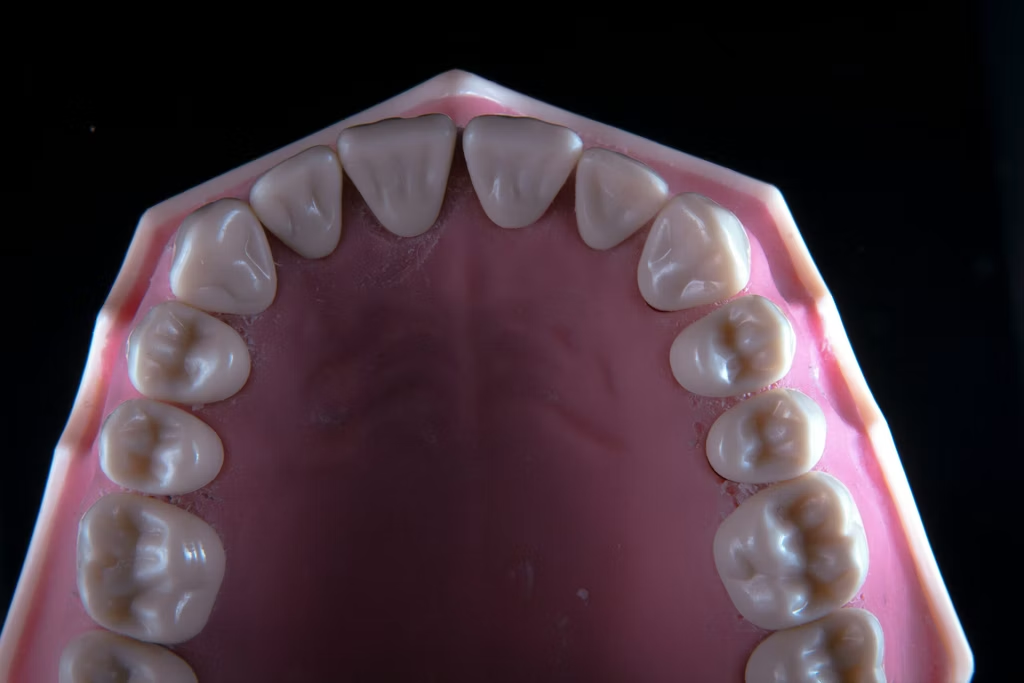
Dental sealants are thin, plastic coatings that are applied to the chewing surfaces of the back teeth (molars and premolars). These teeth are particularly vulnerable to cavities because of their deep grooves, which can trap food and bacteria. Sealants form a protective barrier over these grooves, preventing harmful substances from reaching the tooth enamel.
How it works: The sealant is painted directly onto the surface of the tooth, where it hardens and bonds with the enamel, creating a smooth, sealed surface that prevents decay.
2. Why Are Sealants Beneficial for Kids?
Dental sealants are often applied to children’s teeth because their back molars are newly erupted and still have deep grooves that can be difficult to clean effectively. Sealants can significantly reduce the risk of cavities in these hard-to-reach areas.
Protection during cavity-prone years: Kids are more susceptible to cavities in their molars because they may not have developed the best brushing habits yet. Sealants provide a layer of protection during these formative years.
Cost-effective prevention: Sealants are a one-time investment that can save money in the long run by reducing the need for expensive fillings and other dental treatments later on.
Tip: It’s recommended to apply dental sealants as soon as permanent molars erupt, typically around ages 6 and 12, to offer long-lasting protection.
3. Adults Can Benefit from Sealants Too
While dental sealants are commonly applied to children’s teeth, adults can also benefit from them. Adults who have deep grooves in their molars, or those who are at high risk for cavities due to dry mouth, poor oral hygiene, or other health conditions, may find sealants a helpful preventive measure.
Protecting existing fillings: Sealants can be applied over existing fillings to protect the tooth from further decay or damage.
Great for those with dental anxiety: For individuals who feel anxious about more invasive dental treatments, sealants provide a non-invasive, straightforward solution to prevent cavities.
Tip: If you’re an adult with concerns about your oral health, ask your dentist if dental sealants are right for you.
4. The Application Process: What to Expect
The application of dental sealants is quick, painless, and straightforward. The entire process usually takes only 20-30 minutes per tooth.
Step 1: The dentist will clean and dry the teeth to ensure the sealant bonds well.
Step 2: An acidic solution is applied to the tooth surface to roughen it slightly, allowing the sealant to adhere better.
Step 3: The sealant is painted onto the tooth, where it hardens and sets, either naturally or with the use of a special light.
Tip: There’s no drilling or injections involved, making dental sealants a quick and comfortable option for cavity prevention.
5. How Long Do Sealants Last?
Sealants are durable and can last for several years, though they may need to be checked during routine dental visits. Over time, they may wear down due to chewing and brushing, so the dentist may reapply or repair the sealant if needed.
How to care for sealants: With proper care, including good oral hygiene habits like brushing and flossing, sealants can provide effective protection for years.
Tip: Regular dental checkups will allow your dentist to monitor the condition of your sealants and recommend touch-ups if necessary.
6. Sealants and Overall Oral Health: A Preventive Measure
While dental sealants are highly effective at preventing cavities, they are not a substitute for regular oral care. It’s important to continue brushing your teeth twice a day, flossing daily, and visiting your dentist for routine exams and cleanings.
Complementary to other preventive measures: Sealants work in tandem with fluoride treatments, healthy eating, and good oral hygiene practices to ensure optimal oral health.
Tip: Even with sealants, it’s important to continue regular dental checkups and cleanings to ensure your teeth stay healthy and cavity-free.
7. Are There Any Risks to Dental Sealants?
Dental sealants are safe and have been used for decades to protect teeth. There are no significant risks associated with sealants, but some people may be concerned about the presence of BPA (bisphenol A) in certain types of sealants.
What to know: Modern dental sealants are BPA-free, and they are highly effective in providing cavity protection. Always discuss any concerns with your dentist to ensure you receive the best option for your health.
Conclusion: A Smart Investment for Oral Health
Dental sealants offer an effective and affordable way to protect your teeth from cavities. Whether you’re a parent looking to safeguard your child’s smile or an adult interested in preventive dental care, sealants can provide long-lasting protection with minimal effort. By incorporating sealants into your oral health routine, you’re investing in a healthier future for your teeth.
