
-
×
 Bells Oral And Facial Pain 7Th Edition
1 × Rp2.346.000
Bells Oral And Facial Pain 7Th Edition
1 × Rp2.346.000
Uncategorized
How to Choose the Right Toothpaste: A Guide for Better Oral Health
ChatGPT said:
Here’s another fresh dental blog topic with content:
Blog Topic: “How to Choose the Right Toothpaste: A Guide for Better Oral Health”
How to Choose the Right Toothpaste: A Guide for Better Oral Health
With so many toothpaste options available, it can be overwhelming to decide which one is best for your oral health. From whitening formulas to those for sensitive teeth, each type offers specific benefits. In this blog, we’ll walk you through the different types of toothpaste and how to choose the right one for your needs.
1. The Basics: What to Look for in Any Toothpaste
When selecting toothpaste, there are a few basic factors you should consider to ensure you’re choosing a product that supports your overall oral health.
Fluoride: The most important ingredient in toothpaste is fluoride, a mineral that helps prevent cavities by strengthening tooth enamel. It’s important to choose a toothpaste with fluoride to ensure optimal protection against decay.
ADA Seal of Approval: Look for the American Dental Association (ADA) Seal of Acceptance on the packaging. This indicates that the toothpaste has been tested for safety and effectiveness.
Tip: If you’re unsure about which toothpaste to choose, consult your dentist for recommendations tailored to your oral health needs.
2. Whitening Toothpastes: Are They Right for You?
Whitening toothpastes are formulated to help remove surface stains caused by food, drinks, and smoking. They contain mild abrasives or chemical agents that scrub or dissolve stains on the enamel.
What to know: While whitening toothpastes can help brighten your smile, they are not as effective at changing the natural color of your teeth as professional whitening treatments.
Who should use them: If you have surface stains from coffee, tea, or smoking, a whitening toothpaste can help reduce the appearance of these stains over time.
Tip: Be cautious with excessive use of whitening toothpaste, as some can be too abrasive and may damage your enamel if used too frequently.
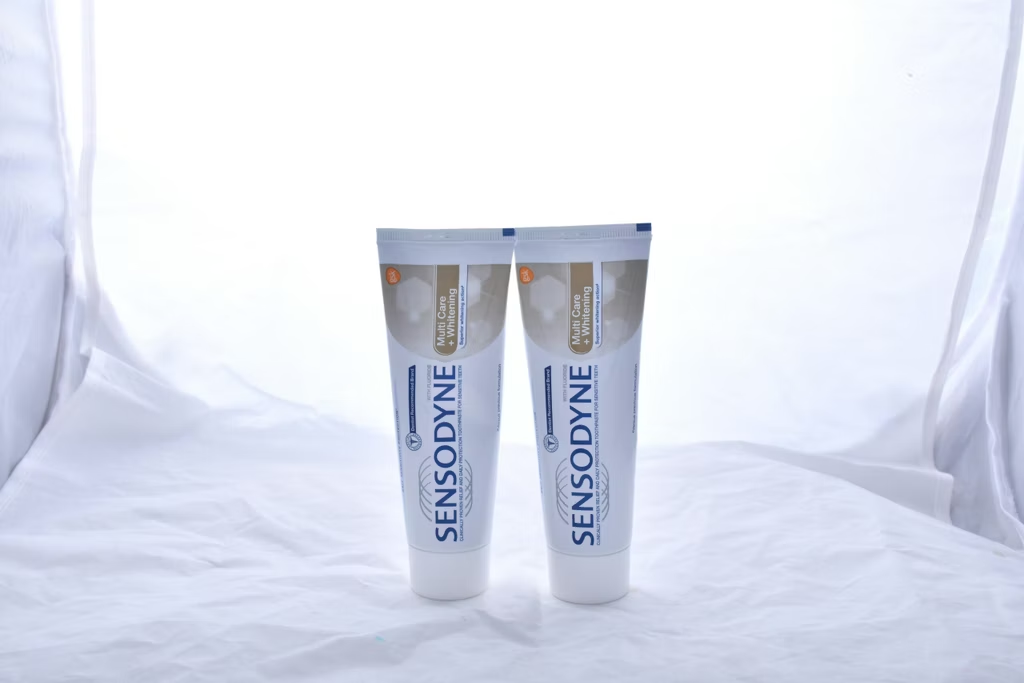
3. Toothpaste for Sensitive Teeth
If you experience pain or discomfort when consuming hot, cold, sweet, or acidic foods, you may have sensitive teeth. Toothpaste for sensitive teeth contains ingredients like potassium nitrate or stannous fluoride, which help block pain signals and soothe sensitivity.
What to know: Sensitive toothpaste can provide relief from discomfort and help protect your teeth from further irritation.
Who should use it: Sensitive toothpaste is ideal for people who experience tooth sensitivity, whether due to receding gums, enamel erosion, or teeth grinding.
Tip: If you have ongoing sensitivity, it’s important to see your dentist to rule out other dental conditions that may be causing the problem.
4. Natural and Herbal Toothpastes: What’s the Deal?
Natural toothpastes, often free from artificial additives, parabens, and sodium lauryl sulfate (SLS), are gaining popularity. These toothpastes often feature ingredients like activated charcoal, baking soda, aloe vera, and essential oils.
What to know: While natural toothpastes may be free of harsh chemicals, it’s essential to ensure they still contain fluoride for cavity protection.
Who should use them: People who are looking for a more natural alternative or who have sensitive gums may prefer herbal or natural toothpastes. However, make sure they are still effective in maintaining oral health.
Tip: Check the ingredient list carefully to ensure you’re getting the protection you need while avoiding harmful additives.
5. Tartar Control Toothpaste: Preventing Buildup
Tartar control toothpaste helps prevent the accumulation of tartar (hardened plaque) on your teeth. Tartar can only be removed by a dentist or hygienist, so using a toothpaste designed to control tartar can reduce the need for frequent professional cleanings.
What to know: These toothpastes often contain ingredients like pyrophosphate or zinc citrate, which help prevent tartar buildup.
Who should use it: Tartar control toothpaste is ideal for people who are prone to plaque buildup and want to maintain a cleaner mouth between dental visits.
Tip: Tartar control toothpaste can be particularly helpful if you’re at risk for gum disease, as tartar buildup can contribute to inflammation and infection.
6. Gel vs. Paste: Which Should You Choose?
Toothpaste comes in two main forms: gel and paste. While both are effective, the main difference lies in personal preference and texture.
What to know: Gel toothpaste often has a smoother texture and is more appealing to people who dislike the thicker consistency of paste. On the other hand, paste tends to provide a slightly more abrasive cleaning effect.
Who should choose which?: There’s no significant difference in effectiveness between gel and paste. It’s a matter of which texture you find more pleasant to use.
Tip: Experiment with both types to see which one you enjoy using more, as both will provide the fluoride and cleaning benefits you need.
7. Kids’ Toothpaste: What’s Best for Young Smiles?
Children need toothpaste that is safe to swallow and effective at preventing cavities. Kid’s toothpastes often have a lower fluoride concentration and come in fun flavors like bubblegum or strawberry to encourage brushing.
What to know: It’s essential to supervise young children while they brush and ensure they are using only a small amount of toothpaste (about the size of a pea).
Who should use it: Toddlers and young children should use toothpaste specifically designed for them. For older children, you can gradually transition to adult toothpaste as long as they are able to spit and not swallow it.
Tip: Choose a toothpaste with the ADA Seal of Acceptance to ensure that it’s safe and effective for your child’s developing teeth.
Conclusion: Choose the Right Toothpaste for Your Oral Health Needs
The right toothpaste can make a significant difference in maintaining your oral health, and with so many options available, it’s essential to choose the one that fits your unique needs. Whether you need whitening, sensitivity relief, or tartar control, there’s a toothpaste designed to support your smile.
