
-
×
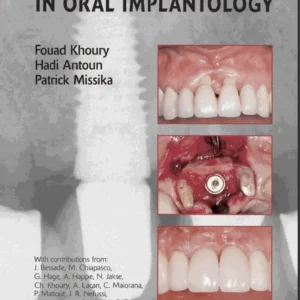 Bone Augmentation In Oral Implantology
1 × Rp3.345.600
Bone Augmentation In Oral Implantology
1 × Rp3.345.600 -
×
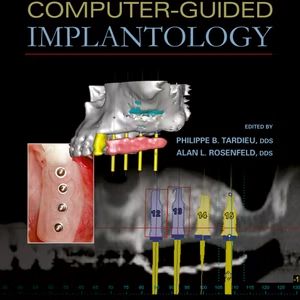 Art Of Computer-Guided Implantology
1 × Rp3.733.200
Art Of Computer-Guided Implantology
1 × Rp3.733.200 -
×
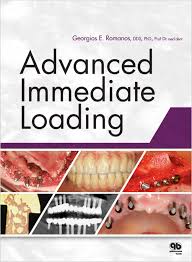 Advanced Immediate Loading
1 × Rp3.692.400
Advanced Immediate Loading
1 × Rp3.692.400 -
×
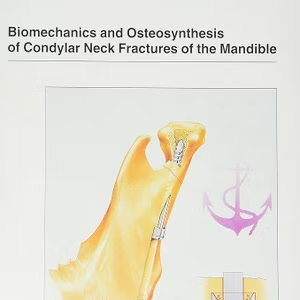 Biomechanics/Osteosynthesis Condylar
1 × Rp2.488.800
Biomechanics/Osteosynthesis Condylar
1 × Rp2.488.800

Uncategorized
How Your Breathing Habits Affect Your Oral Health
Breathing is automatic—we do it every second of every day without thinking. But how you breathe can significantly impact your oral health. The difference between breathing through your nose and breathing through your mouth might seem subtle, but it can have long-term effects on your teeth, gums, and overall oral function.
Let’s explore how something as simple as your breathing pattern could be helping—or harming—your smile.
1. Mouth Breathing vs. Nasal Breathing
Mouth breathing often happens during sleep, due to allergies, congestion, or structural issues like a deviated septum. But chronic mouth breathing can lead to a dry mouth—a condition where saliva production is reduced.
Why it matters: Saliva plays a crucial role in washing away food particles, neutralizing acids, and protecting enamel.
Oral consequences: Dry mouth can cause bad breath, tooth decay, gum irritation, and a higher risk of infections like thrush.
Tip: If you wake up with a dry mouth, talk to your dentist or doctor about possible causes. Nasal strips, humidifiers, or allergy treatments may help.
2. Facial Development in Children
For kids, chronic mouth breathing can affect jaw and facial growth. It may lead to a long, narrow face, crowded teeth, and bite issues.
The science: Proper tongue posture and nasal breathing guide the development of the palate and jaw structure.
Warning signs: Snoring, restless sleep, dark circles under the eyes, or open-mouth posture during the day.
Tip: Early intervention with a pediatric dentist or orthodontist can guide proper oral-facial growth.
3. Increased Risk of Tooth Decay
Mouth breathing dries out the protective layer of saliva on your teeth. This makes it easier for harmful bacteria to stick to enamel and cause cavities.
Risk factors: People with allergies, asthma, or obstructive sleep apnea are more prone to mouth breathing.
Decay hotspots: Front teeth and molars often show the most damage in chronic mouth breathers.
Tip: Use fluoride toothpaste, stay hydrated, and ask your dentist about treatments for dry mouth.
4. Gum Inflammation and Bleeding
The gums need moisture too. A dry mouth caused by mouth breathing can lead to irritated, swollen, or bleeding gums—even if you have good oral hygiene.
Why it happens: Dehydrated gums become more susceptible to bacterial buildup and inflammation.
The result: Red, puffy gums that may bleed when brushing or flossing.
Tip: Try a mouth rinse designed for dry mouth, and ask your dentist about underlying breathing issues.
5. Sleep Apnea and Oral Health
Sleep apnea, often linked with mouth breathing and snoring, can disrupt oxygen flow and put stress on your entire body—including your mouth.
Dental signs: Worn-down teeth from grinding (bruxism), tongue scalloping, or a small jaw.
Systemic impact: Sleep apnea increases inflammation in the body, which can worsen gum disease.
Tip: Dentists trained in sleep dentistry can offer custom oral appliances that open the airway and reduce symptoms.
Conclusion: Breathing Right for a Healthier Smile
Something as basic as breathing can quietly shape your oral health. While mouth breathing might not seem serious at first, over time it can cause significant issues. Thankfully, with the right awareness and support from your dentist or doctor, most breathing-related problems can be managed—or even reversed.
