
-
×
 Dentistry And The Pregnant Patient
1 × Rp1.203.600
Dentistry And The Pregnant Patient
1 × Rp1.203.600
Uncategorized
The Role of Fluoride in Preventing Cavities: What You Need to Know
Fluoride is one of the most important tools in the fight against cavities. It’s widely recognized for its ability to strengthen tooth enamel and prevent decay. But what exactly does fluoride do, and why is it such a powerful ally in maintaining oral health? In this blog, we’ll break down the science behind fluoride, its role in cavity prevention, and how you can make sure you’re getting enough to keep your teeth strong and healthy.
1. What is Fluoride and How Does it Work?
Fluoride is a naturally occurring mineral found in water, soil, and even some foods. It is known for its ability to remineralize tooth enamel, helping to repair damage caused by acids from food, drinks, and bacteria in the mouth. Fluoride works by strengthening the enamel, making it more resistant to the harmful effects of acid and decay.
How Fluoride Protects Your Teeth:
Remineralization: Fluoride helps rebuild weakened enamel, filling in the microscopic holes and cracks caused by acids.
Enamel Strengthening: Fluoride makes tooth enamel more resistant to future attacks by harmful acids, reducing the risk of cavities.
Reduction of Bacteria: Fluoride can also inhibit the growth of harmful bacteria in the mouth, helping to prevent plaque buildup, which leads to tooth decay.
2. The Science Behind Fluoride and Cavity Prevention
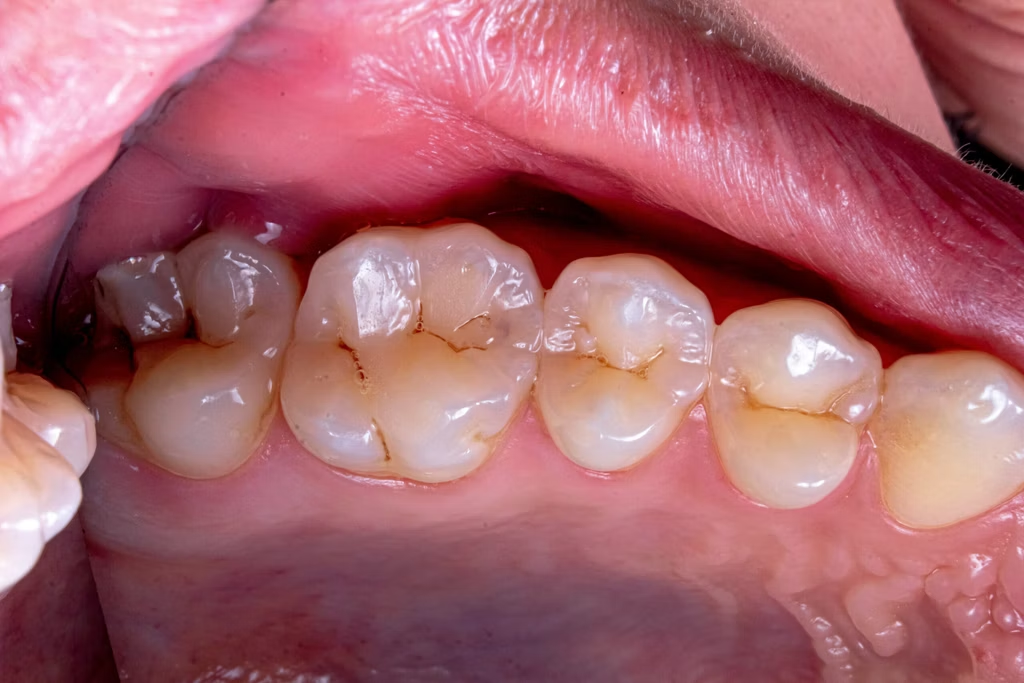
Cavities, or dental caries, form when the enamel of the teeth is broken down by acids produced by bacteria that feed on sugars in your mouth. The acids demineralize the enamel, leading to the formation of tiny holes that can eventually become cavities. Fluoride plays a crucial role in protecting teeth from this process.
Fluoride’s Action on Tooth Enamel:
Fluoride and Acid Resistance: When fluoride is present in the mouth, it integrates into the enamel structure, making it more acid-resistant and less likely to demineralize.
Fluoride and Early Cavities: Fluoride can even help reverse the early stages of tooth decay by remineralizing areas that have already begun to demineralize, effectively preventing cavities before they become a serious issue.
3. Fluoride in Public Water: How Access to Fluoride Can Impact Oral Health
Fluoride is commonly added to public drinking water in many countries as a public health measure to help prevent cavities. Studies have shown that communities with fluoridated water have significantly lower rates of tooth decay compared to those without fluoridated water.
Benefits of Fluoridated Water:
Cost-Effective: Water fluoridation is a low-cost, highly effective way to reduce the overall incidence of tooth decay in a community, especially among children.
Widespread Protection: Even if individuals do not brush their teeth with fluoride toothpaste, drinking fluoridated water can still provide a level of protection against cavities.
Reduction in Cavities: Research has shown that fluoridated water can reduce tooth decay by up to 25% in children and adults.
4. Fluoride in Toothpaste: Your First Line of Defense Against Cavities
One of the most common ways people get fluoride is through toothpaste. Most over-the-counter toothpaste contains fluoride, and using it regularly is one of the best ways to protect your teeth from cavities. Fluoride toothpaste is a simple, convenient way to keep your enamel strong.
How to Choose the Right Fluoride Toothpaste:
Look for ADA Approval: Make sure your toothpaste has the American Dental Association (ADA) seal of approval, which ensures that the toothpaste contains an effective amount of fluoride.
Fluoride Concentration: Different toothpaste brands may offer different fluoride concentrations, but most people should use toothpaste with a fluoride content of 1000 to 1500 ppm (parts per million) for optimal protection.
Children’s Toothpaste: For children, it’s important to use a toothpaste with an appropriate fluoride concentration and ensure they’re using a small, pea-sized amount to avoid swallowing too much fluoride.
5. Fluoride Treatments: Extra Protection for Your Teeth
In some cases, especially for people at higher risk for cavities (such as those with a history of frequent cavities or those with dry mouth), fluoride treatments at the dentist’s office may be recommended. These treatments provide a higher concentration of fluoride than regular toothpaste and can offer extra protection for your teeth.
Types of Professional Fluoride Treatments:
Fluoride Varnish: A highly concentrated fluoride gel is applied to your teeth, where it hardens and releases fluoride over a period of time. This treatment is often recommended for children and adults with a high risk of tooth decay.
Fluoride Gel or Foam: Applied during a dental visit, fluoride gel or foam is placed in a mouth tray and left on the teeth for a few minutes. This treatment is often used for patients with special needs or those who are prone to cavities.
Fluoride Rinses: Some people use fluoride mouth rinses as an additional way to protect against cavities. These are typically used after brushing and provide an extra layer of protection.
6. The Risks of Too Much Fluoride: Is Fluorosis a Concern?
While fluoride is essential for cavity prevention, it’s important to use it in the right amounts. Too much fluoride, especially in children, can lead to a condition called dental fluorosis. Fluorosis occurs when children consume excessive fluoride while their teeth are still developing, leading to white spots or streaks on their teeth.
How to Prevent Fluorosis:
Monitor Fluoride Intake: Parents should monitor their children’s fluoride toothpaste use to ensure they are not swallowing large amounts of toothpaste.
Use Age-Appropriate Toothpaste: For children under the age of 3, it’s important to use a small smear of toothpaste and supervise brushing. For children ages 3 to 6, a pea-sized amount is appropriate.
Consult Your Dentist: If you’re concerned about fluoride levels, ask your dentist for advice on appropriate fluoride use for both children and adults.
7. Fluoride and Beyond: Comprehensive Oral Health Practices
Fluoride is an important part of cavity prevention, but it’s not the only step you can take to protect your teeth. A balanced oral health routine is essential for keeping your smile healthy and bright.
Other Essential Oral Health Tips:
Brush Twice a Day: Regular brushing with fluoride toothpaste is the foundation of any good oral health routine.
Floss Daily: Flossing helps remove plaque and food particles from between your teeth, areas where brushing alone can’t reach.
Limit Sugary Foods: Reduce your intake of sugary snacks and drinks, as they provide food for the bacteria that cause cavities.
Visit Your Dentist Regularly: Regular dental checkups allow your dentist to detect early signs of decay and provide fluoride treatments when necessary.
Conclusion: Fluoride—Your Partner in Cavity Prevention
Fluoride is a powerful ally in the battle against tooth decay, helping to remineralize enamel and reduce the risk of cavities. Whether it’s through fluoridated water, fluoride toothpaste, or professional treatments, fluoride plays a critical role in keeping your teeth strong and healthy. By following a comprehensive oral hygiene routine and using fluoride appropriately, you can ensure that your teeth remain cavity-free for years to come.
