
-
×
 Bells Oral And Facial Pain 7Th Edition
2 × Rp2.346.000
Bells Oral And Facial Pain 7Th Edition
2 × Rp2.346.000
Uncategorized
Understanding the Different Types of Dental Fillings
Dental fillings are a common treatment for cavities and tooth decay. If you’ve ever had a cavity, chances are you’ve had a filling placed to restore the tooth to its natural function and shape. But did you know that there are several different types of dental fillings? Each type of filling material has its own set of benefits and drawbacks, making it important to understand your options before choosing the best one for your dental needs. In this blog, we will explore the different types of dental fillings and help you decide which one might be right for you.
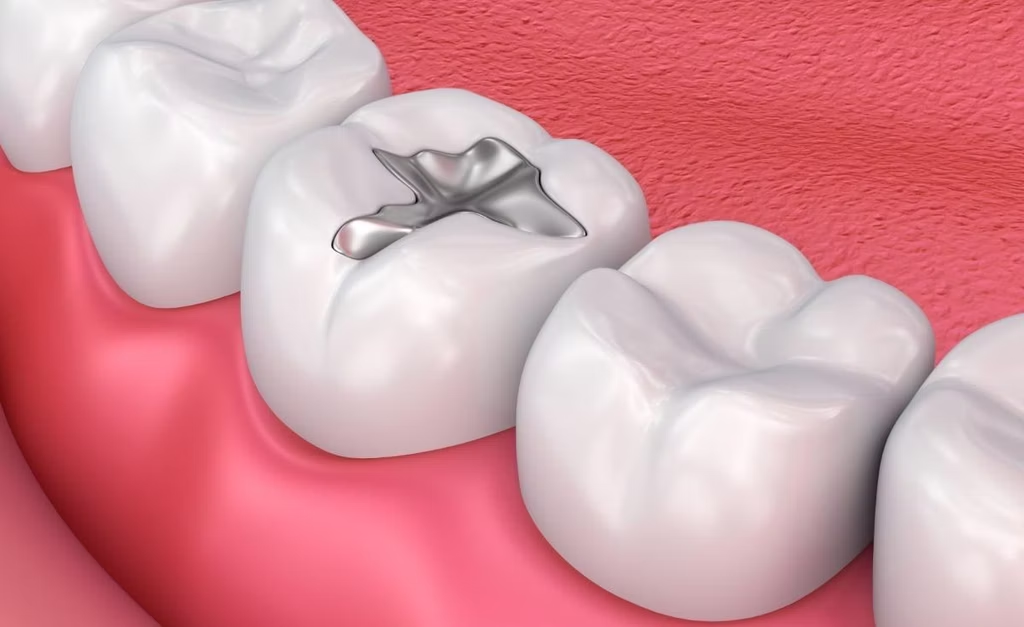
1. Silver Fillings (Amalgam Fillings)
Amalgam fillings are one of the most commonly used types of dental fillings. These fillings are made from a combination of metals, including silver, mercury, tin, and copper. They are durable, long-lasting, and are often used for fillings in the back teeth, where chewing pressure is highest.
Benefits:
Durability: Amalgam fillings are highly durable and can last 10-15 years or more.
Cost-Effective: They are generally less expensive than other types of fillings.
Strength: Amalgam can withstand heavy chewing forces, making them ideal for molars.
Drawbacks:
Aesthetics: Amalgam fillings are silver in color, which may be noticeable, especially in visible areas.
Mercury Content: While the mercury in amalgam fillings is considered safe by health organizations, some patients prefer to avoid it due to concerns about the material.
2. Composite Resin Fillings
Composite resin fillings are made from a tooth-colored plastic material that is blended with ceramic particles. These fillings are popular for their aesthetic appearance, as they blend seamlessly with the natural color of your teeth.
Benefits:
Aesthetic Appeal: Composite fillings match the natural color of your teeth, making them ideal for fillings in the front teeth or visible areas.
Bonding: The resin material bonds directly to the tooth, providing additional strength and support.
Less Tooth Removal: Composite fillings require less removal of healthy tooth structure compared to amalgam fillings.
Drawbacks:
Durability: While composite fillings are strong, they are not as durable as amalgam and may wear down over time, especially in larger cavities.
Cost: Composite fillings are generally more expensive than amalgam fillings.
Potential for Staining: Composite fillings may stain over time, particularly if exposed to coffee, tea, or smoking.
3. Ceramic Fillings
Ceramic fillings, also known as porcelain fillings, are made from high-quality ceramic materials that are durable and aesthetically pleasing. These fillings are often used for patients who want a more permanent and aesthetic solution for their cavities.
Benefits:
Natural Appearance: Ceramic fillings have a translucent appearance that closely mimics the natural color of teeth.
Durability: Porcelain is highly durable and resistant to wear and staining.
Biocompatibility: Ceramic fillings are often more biocompatible than other materials, meaning they are less likely to cause allergic reactions.
Drawbacks:
Cost: Ceramic fillings are often more expensive than both amalgam and composite fillings.
Brittleness: While durable, porcelain can be more prone to chipping or cracking if you grind your teeth or experience heavy wear.
4. Gold Fillings
Gold fillings are made from a combination of gold, copper, and other metals, offering a highly durable and long-lasting solution for filling cavities. Although not as common today due to aesthetic preferences, gold fillings are still a popular choice for people seeking long-term, high-quality dental work.
Benefits:
Longevity: Gold fillings are incredibly durable and can last 20 years or more.
Strength: Gold is a very strong material that can withstand heavy chewing forces.
Biocompatible: Gold is generally well-tolerated by the body and is unlikely to cause allergic reactions.
Drawbacks:
Aesthetics: Gold fillings are quite noticeable and may not blend well with your natural tooth color, making them less ideal for visible areas.
Cost: Gold fillings tend to be more expensive than other types of fillings.
Labor-Intensive: The process of creating and placing gold fillings takes longer and typically requires two visits to the dentist.
5. Resin Ionomer Fillings
Resin ionomer fillings are made from a combination of glass and acrylic materials. These fillings are often used for cavities in areas that are less visible, such as the back teeth.
Benefits:
Release Fluoride: Resin ionomer fillings release fluoride, which can help protect the tooth from further decay.
Aesthetic Appeal: While not as aesthetic as composite resin, resin ionomer fillings are still tooth-colored and blend relatively well with natural teeth.
Good for Baby Teeth: These fillings are often used in children’s teeth, as they are gentle and effective for treating cavities in primary (baby) teeth.
Drawbacks:
Less Durability: Resin ionomer fillings are not as durable as other materials like amalgam or porcelain and may wear down more quickly.
Not Ideal for Large Cavities: These fillings are generally best suited for small cavities, as they may not provide the strength needed for larger fillings.
6. Glass Ionomer Fillings
Similar to resin ionomer fillings, glass ionomer fillings are made from a combination of glass and acrylic. These fillings are primarily used for fillings in areas that do not experience heavy chewing pressure, like the edges of teeth or in cavities that are not subject to high stress.
Benefits:
Fluoride Release: Glass ionomer fillings release fluoride, helping to protect teeth from further decay.
Good for Root Cavities: These fillings are especially effective for cavities near the root of the tooth, as they bond well with tooth structure.
Drawbacks:
Less Aesthetic: Glass ionomer fillings are not as aesthetic as composite or porcelain fillings.
Weaker: Glass ionomer fillings are not as strong as other materials and may wear out faster.
Which Filling is Right for You?
Choosing the right dental filling depends on various factors, including the size and location of the cavity, your budget, aesthetic preferences, and the materials your dentist recommends based on your individual needs. Here are some things to consider when making your decision:
Aesthetic Concerns: If you’re concerned about the appearance of your fillings, composite resin, ceramic, or resin ionomer fillings may be the best choice.
Durability: If you need a long-lasting, durable filling for a back tooth, gold or amalgam may be the better option.
Cost: If you’re looking for a more affordable option, amalgam fillings are typically the least expensive, followed by composite fillings.
Sensitivity: If you’re prone to tooth sensitivity, composite or porcelain fillings may be more comfortable for you.
Conclusion: Making an Informed Choice
Dental fillings are a vital part of maintaining good oral health, and understanding the different types can help you make an informed decision when it comes to your treatment. Consult with your dentist to find out which type of filling is right for your cavity and personal needs. No matter which material you choose, getting a filling can prevent further damage to your tooth and keep your smile healthy for years to come.
