
-
×
 Iti Treatment Guide Volume 1
1 × Rp2.407.200
Iti Treatment Guide Volume 1
1 × Rp2.407.200 -
×
 Atlas Of Complications And Failures In Implant Dentistry: Guidelines For A Therapeutic Approach
2 × Rp7.813.200
Atlas Of Complications And Failures In Implant Dentistry: Guidelines For A Therapeutic Approach
2 × Rp7.813.200 -
×
 4D Implant Therapy: Esthetic Consideration For Soft Tissue Management
1 × Rp3.835.200
4D Implant Therapy: Esthetic Consideration For Soft Tissue Management
1 × Rp3.835.200 -
×
 Surgical And Radiologic Anatomy For Oral Implantology
1 × Rp5.181.600
Surgical And Radiologic Anatomy For Oral Implantology
1 × Rp5.181.600 -
×
 Next-Generation Biomaterials For Bone And Periodontal Regeneration
1 × Rp6.528.000
Next-Generation Biomaterials For Bone And Periodontal Regeneration
1 × Rp6.528.000 -
×
 Glossary Of Oral And Maxillofacial Implants
1 × Rp3.264.000
Glossary Of Oral And Maxillofacial Implants
1 × Rp3.264.000 -
×
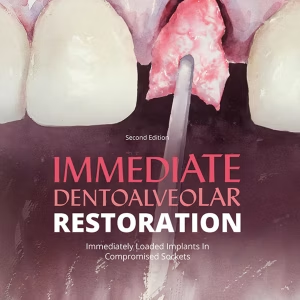 Immediate Dentoaveolar Restoration: Immediate-Loaded Implants In Compromised Alveolar Sockets
1 × Rp5.406.000
Immediate Dentoaveolar Restoration: Immediate-Loaded Implants In Compromised Alveolar Sockets
1 × Rp5.406.000
Uncategorized
The Surprising Benefits of Oil Pulling for Oral Health
Oil pulling is an ancient Ayurvedic practice that has been gaining popularity in the wellness community for its potential to improve oral health. The practice involves swishing a tablespoon of oil (commonly coconut, sesame, or sunflower oil) in your mouth for a period of time, typically 10 to 20 minutes, before spitting it out. While it may seem unusual, numerous people swear by its ability to improve oral hygiene and even enhance overall health. In this post, we will explore the benefits of oil pulling, how to do it, and whether it’s worth incorporating into your oral care routine.
🦷 1. What Is Oil Pulling?
Oil pulling, also known as “kavala” or “gundusha,” is an ancient detoxifying method from Ayurvedic medicine. The idea is that the oil acts like a magnet, drawing out toxins, bacteria, and plaque from the teeth and gums. The most common oils used are coconut oil, sesame oil, and sunflower oil, each offering its own unique properties for oral health.
How It Works:
Swishing the Oil: The oil is swished around in the mouth, making contact with the gums, teeth, and soft tissues.
Toxin Removal: The idea is that the oil “pulls” out harmful bacteria and other toxins from your mouth, promoting a healthier oral environment.
🦷 2. Potential Benefits of Oil Pulling
While more research is needed to confirm all the potential benefits, oil pulling has been linked to several positive effects for oral health:
1. Reduces Plaque and Prevents Gingivitis:
Oil pulling has shown to reduce plaque buildup on the teeth, which is a leading cause of gingivitis (gum inflammation). Regular practice of oil pulling may reduce bacteria in the mouth, leading to healthier gums.
2. Whitens Teeth Naturally:
The oil can help remove stains from the surface of the teeth, making them appear whiter and brighter. Unlike some chemical teeth-whitening methods, oil pulling is a natural alternative.
3. Fights Bad Breath:
Bad breath, or halitosis, is often caused by bacteria in the mouth. Oil pulling can help eliminate these bacteria, leading to fresher breath.
4. Strengthens Teeth and Gums:
The antimicrobial properties of oils, particularly coconut oil, help fight bacteria that can harm the gums and teeth. Regular use may result in healthier gums and stronger enamel.
5. Reduces Inflammation in the Mouth:
Oil pulling has anti-inflammatory properties that may help reduce gum inflammation and soothe sore gums, making it beneficial for people with gum disease.
🦷 3. How to Do Oil Pulling
Getting started with oil pulling is simple. Here’s a step-by-step guide:
Step 1: Choose Your Oil
You can use coconut oil, sesame oil, or sunflower oil. Coconut oil is a popular choice due to its antimicrobial properties.
Step 2: Take a Tablespoon of Oil
Measure out a tablespoon of your chosen oil. Make sure the oil is in a liquid state (if using coconut oil, it may need to be slightly warmed to melt).
Step 3: Swish the Oil in Your Mouth
Swish the oil around your mouth for about 10 to 20 minutes. Try to gently push and pull the oil through your teeth, ensuring it comes into contact with all areas of your mouth. Avoid swallowing the oil.
Step 4: Spit the Oil Out
After swishing for 10 to 20 minutes, spit the oil out into the trash (not the sink, as it could clog your pipes). Be sure to spit out all the oil, as it contains bacteria and toxins.
Step 5: Rinse Your Mouth
Rinse your mouth with warm water and brush your teeth as usual to remove any residual oil.
Tip: It’s best to do oil pulling in the morning before eating or drinking, as this ensures the oil can draw out toxins from your mouth while it’s still clean.
🦷 4. Is Oil Pulling Right for You?
While oil pulling offers various benefits, it’s not a replacement for regular brushing and flossing. It should be used as a supplement to your normal oral care routine, not as a substitute. If you’re considering incorporating oil pulling into your daily regimen, here are a few things to keep in mind:
1. It’s Not a Quick Fix:
Oil pulling may take a little time to show noticeable results. Consistent practice is key.
2. Be Aware of Allergies:
If you’re allergic to any of the oils, such as coconut oil, be sure to choose a different option.
3. Consult Your Dentist:
Always check with your dentist before trying any new oral health practices, especially if you have existing dental conditions. While oil pulling is generally safe, your dentist can help you determine if it’s right for your oral health.
🦷 5. Conclusion: Is Oil Pulling Worth It?
Oil pulling may not be the miracle cure it’s sometimes touted as, but it certainly offers a number of potential benefits for improving oral hygiene. From reducing plaque and bad breath to whitening your teeth and strengthening your gums, it’s a simple and natural practice that can be a great addition to your routine. However, it’s important to remember that it should never replace regular brushing, flossing, or visits to the dentist.
If you’re looking for a natural way to support your oral health, oil pulling could be a beneficial addition to your daily habits.
