
-
×
 Illustrated Guide To Chemical Peels
1 × Rp4.610.400
Illustrated Guide To Chemical Peels
1 × Rp4.610.400 -
×
 Essentials Of Maxillary Sinus Augmentation
1 × Rp2.407.200
Essentials Of Maxillary Sinus Augmentation
1 × Rp2.407.200 -
×
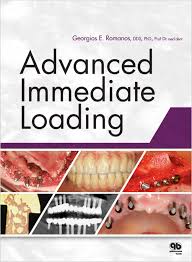 Advanced Immediate Loading
1 × Rp3.692.400
Advanced Immediate Loading
1 × Rp3.692.400 -
×
 Autologous Blood Concentrates
1 × Rp5.895.600
Autologous Blood Concentrates
1 × Rp5.895.600 -
×
 Implant Therapy - Clinical Approaches and Evidence of Success
1 × Rp8.445.600
Implant Therapy - Clinical Approaches and Evidence of Success
1 × Rp8.445.600 -
×
 Fractures Of The Mandibular Condyle
1 × Rp5.956.800
Fractures Of The Mandibular Condyle
1 × Rp5.956.800 -
×
 Best Practice: 77 Problem Case Solutions, Prescriptions And Laboratory Tests In Dental Practice
1 × Rp1.346.400
Best Practice: 77 Problem Case Solutions, Prescriptions And Laboratory Tests In Dental Practice
1 × Rp1.346.400 -
×
 Attachments In The Laboratory
1 × Rp2.346.000
Attachments In The Laboratory
1 × Rp2.346.000 -
×
 Essentials In Piezosurgery:Clinical Advantages In Dentistry
1 × Rp3.264.000
Essentials In Piezosurgery:Clinical Advantages In Dentistry
1 × Rp3.264.000 -
×
 Next-Generation Biomaterials For Bone And Periodontal Regeneration
2 × Rp6.528.000
Next-Generation Biomaterials For Bone And Periodontal Regeneration
2 × Rp6.528.000 -
×
 Atlas Of Dental Rehabilitation Techniques
1 × Rp6.222.000
Atlas Of Dental Rehabilitation Techniques
1 × Rp6.222.000 -
×
 Atlas Of Tooth & Imp-Supp Prosthodontics
1 × Rp2.978.400
Atlas Of Tooth & Imp-Supp Prosthodontics
1 × Rp2.978.400 -
×
 Bone Augmentation In Oral Implantology
1 × Rp3.345.600
Bone Augmentation In Oral Implantology
1 × Rp3.345.600 -
×
 Atlas Of Complications And Failures In Implant Dentistry: Guidelines For A Therapeutic Approach
1 × Rp7.813.200
Atlas Of Complications And Failures In Implant Dentistry: Guidelines For A Therapeutic Approach
1 × Rp7.813.200 -
×
 Atlas Of Cone Beam Volumetric Imaging For Applications Second Edition
1 × Rp3.406.800
Atlas Of Cone Beam Volumetric Imaging For Applications Second Edition
1 × Rp3.406.800 -
×
 Surgical Complications In Oral Implantology: Etiology, Prevention And Management
1 × Rp4.467.600
Surgical Complications In Oral Implantology: Etiology, Prevention And Management
1 × Rp4.467.600 -
×
 The Sinus Bone Graft
1 × Rp4.977.600
The Sinus Bone Graft
1 × Rp4.977.600

Uncategorized
The Role of Diet in Maintaining Healthy Teeth and Gums
Your diet plays a major role in the health of your teeth and gums, often more than people realize. The foods you eat can influence the development of plaque, the strength of your enamel, and your overall oral health. While brushing and flossing are essential, a healthy diet can give your mouth the nutrients it needs to stay strong, clean, and free of decay. But what exactly should you eat to maintain a healthy smile, and what foods should you avoid?
🥦 1. The Impact of Nutrition on Oral Health
Good oral health starts with the right nutrients. Vitamins, minerals, and other nutrients help keep your teeth and gums in good condition. For example, calcium helps strengthen your teeth, while vitamin D ensures your body can absorb calcium effectively. Vitamin C is crucial for gum health, preventing gingivitis and other gum issues. Conversely, a poor diet high in sugary and acidic foods can lead to tooth decay and gum disease.
Key nutrients for healthy teeth and gums:
Calcium: Strengthens tooth enamel and supports bone health
Vitamin D: Helps your body absorb calcium and supports immune function
Vitamin C: Vital for gum health and preventing inflammation
Phosphorus: Helps with the remineralization of tooth enamel
Magnesium: Helps with the formation of enamel
🧀 2. Best Foods for Strong Teeth
A diet rich in whole foods like fruits, vegetables, lean proteins, and dairy can significantly improve your oral health. Foods that are rich in calcium, phosphorus, and fiber are great for your teeth. Dairy products, like milk, cheese, and yogurt, are excellent sources of calcium and casein, which help rebuild enamel and protect against decay.
Top foods for maintaining healthy teeth:
Leafy greens (like spinach and kale): Full of calcium and fiber
Cheese: High in calcium and can help neutralize acid in the mouth
Apples and carrots: High in fiber, which stimulates saliva production and helps clean teeth
Nuts and seeds: Provide magnesium and phosphorus, which help strengthen enamel
Yogurt: Contains calcium and probiotics that support gum health and digestion
🍓 3. Foods to Avoid for Better Oral Health
While many foods contribute to oral health, there are also foods and drinks that can harm your teeth and gums. Sugary foods and drinks create an ideal environment for harmful bacteria to thrive, leading to plaque buildup and tooth decay. Acidic foods, like citrus fruits, can wear down tooth enamel over time if consumed excessively. Additionally, sticky snacks such as candy or dried fruit can stick to your teeth and contribute to decay if not cleaned away promptly.
Foods and drinks to limit or avoid:
Sugary snacks and drinks: Sweets, soda, and sugary beverages promote plaque buildup and tooth decay
Citrus fruits: While healthy, their acidity can erode enamel if eaten in excess
Sticky foods (like caramel and gummy candies): Can stick to teeth and are difficult to remove, leading to cavities
Alcohol: Can dry out your mouth, reducing saliva flow and increasing the risk of cavities and gum disease
Coffee and tea: These can stain your teeth, leaving them discolored over time
🥤 4. How Water Can Benefit Your Teeth and Gums
Drinking plenty of water throughout the day is crucial for your oral health. Water helps wash away food particles, bacteria, and acids that can harm your teeth and gums. Additionally, water helps maintain saliva flow, which is essential for neutralizing acids and protecting against decay. Fluoridated water can also help strengthen enamel and protect against cavities.
The benefits of drinking water:
Washes away food particles and bacteria: Helps maintain a clean mouth between brushing
Promotes saliva production: Saliva neutralizes acids and prevents tooth decay
Strengthens teeth: Fluoridated water can help remineralize and strengthen enamel
Prevents dry mouth: Keeps the mouth moist and reduces the risk of tooth decay
🍏 5. How a Balanced Diet Supports Gum Health
Healthy gums are just as important as healthy teeth when it comes to overall oral health. A diet that’s rich in vitamin C helps maintain healthy gum tissue, reducing the risk of gum disease and inflammation. Antioxidants, found in fruits and vegetables, help fight the bacteria that cause gum problems. A well-balanced diet can keep your gums firm, pink, and free of disease.
Gum-healthy foods include:
Citrus fruits (in moderation): Rich in vitamin C, which helps maintain gum tissue
Bell peppers: High in vitamin C and antioxidants
Berries: Packed with antioxidants that support gum health
Sweet potatoes: High in vitamins A and C, which are essential for gum tissue repair
🦷 6. The Link Between Poor Diet and Oral Health Problems
Poor eating habits are one of the leading causes of dental issues. Diets that are high in processed foods, sugars, and acids can lead to tooth decay, gum disease, and other oral health problems. Over time, these conditions can worsen and lead to more serious health issues, like tooth loss or infections. Eating a balanced, nutrient-rich diet can reduce the risk of these problems and help maintain your oral health.
The dangers of poor diet:
Tooth decay: Sugar feeds harmful bacteria in the mouth, leading to plaque buildup and cavities
Gum disease: A poor diet weakens the immune system and can lead to gum inflammation and infections
Enamel erosion: Acidic foods and drinks wear down enamel, leaving teeth vulnerable to decay
Tooth sensitivity: A lack of essential nutrients can make teeth more sensitive to temperature changes
🦷 7. Dental Care Starts with Your Plate
While brushing and flossing are crucial for maintaining oral health, your diet plays a significant role in keeping your teeth and gums healthy. Eating a balanced diet full of nutrient-rich foods can help prevent tooth decay, gum disease, and other oral health problems. Make sure to incorporate calcium, vitamin D, vitamin C, and fiber-rich foods into your daily meals to give your mouth the best chance for optimal health.
