
-
×
 The Sinus Bone Graft
1 × Rp4.977.600
The Sinus Bone Graft
1 × Rp4.977.600 -
×
 Experience is the Best Teacher: Manual of Dental Hygiene
1 × Rp999.600
Experience is the Best Teacher: Manual of Dental Hygiene
1 × Rp999.600 -
×
 Next-Generation Biomaterials For Bone And Periodontal Regeneration
1 × Rp6.528.000
Next-Generation Biomaterials For Bone And Periodontal Regeneration
1 × Rp6.528.000 -
×
 Illustrated Guide To Aesthetic Botulinumtoxin Injections
1 × Rp4.610.400
Illustrated Guide To Aesthetic Botulinumtoxin Injections
1 × Rp4.610.400 -
×
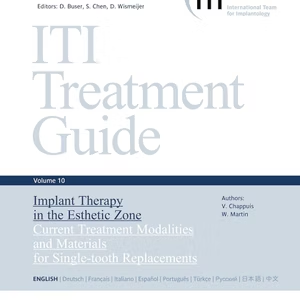 Iti Treament Guide Volume 10: Implant Therapy In The Esthetic Zone
1 × Rp2.407.200
Iti Treament Guide Volume 10: Implant Therapy In The Esthetic Zone
1 × Rp2.407.200 -
×
 Esthetic Restorations:Improved Dentist-Laboratory Communication
1 × Rp2.774.400
Esthetic Restorations:Improved Dentist-Laboratory Communication
1 × Rp2.774.400 -
×
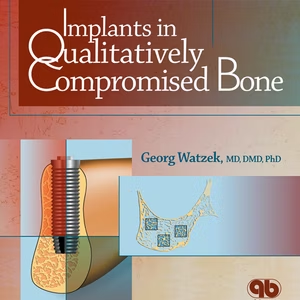 Implants In Qualitatively Compromised Bone
1 × Rp2.407.200
Implants In Qualitatively Compromised Bone
1 × Rp2.407.200 -
×
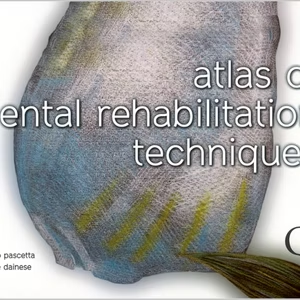 Atlas Of Dental Rehabilitation Techniques
1 × Rp6.222.000
Atlas Of Dental Rehabilitation Techniques
1 × Rp6.222.000 -
×
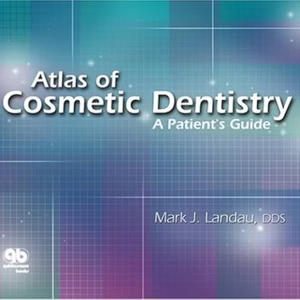 Atlas Of Cosmetic Dentistry
1 × Rp4.263.600
Atlas Of Cosmetic Dentistry
1 × Rp4.263.600 -
×
 Diary
1 × Rp4.182.000
Diary
1 × Rp4.182.000 -
×
 Immediate Loading
1 × Rp9.098.400
Immediate Loading
1 × Rp9.098.400 -
×
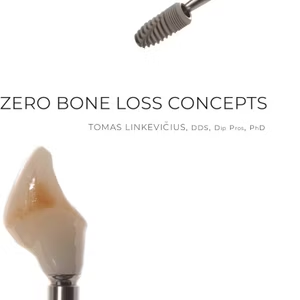 Zero Bone Loss Concepts
1 × Rp4.794.000
Zero Bone Loss Concepts
1 × Rp4.794.000 -
×
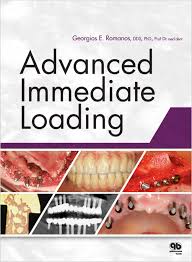 Advanced Immediate Loading
1 × Rp3.692.400
Advanced Immediate Loading
1 × Rp3.692.400 -
×
 Best Practice: 77 Problem Case Solutions, Prescriptions And Laboratory Tests In Dental Practice
1 × Rp1.346.400
Best Practice: 77 Problem Case Solutions, Prescriptions And Laboratory Tests In Dental Practice
1 × Rp1.346.400 -
×
 Iti Treatment Guide 11: Digital Technologies For Oral Implantology
1 × Rp2.407.200
Iti Treatment Guide 11: Digital Technologies For Oral Implantology
1 × Rp2.407.200 -
×
 Fundamentals Of Color:Shade Matching Second Edition
1 × Rp1.632.000
Fundamentals Of Color:Shade Matching Second Edition
1 × Rp1.632.000 -
×
 Autologous Blood Concentrates
1 × Rp5.895.600
Autologous Blood Concentrates
1 × Rp5.895.600

Uncategorized
The Surprising Effects of Pregnancy on Oral Health
Pregnancy is a time of significant physical and hormonal changes, and your mouth is no exception. From morning sickness to hormonal surges, expectant mothers may experience a range of oral health challenges. But with the right care and awareness, you can protect your teeth and gums during this crucial time.
🤰 1. Pregnancy Gingivitis: Why It Happens and How to Prevent It
One of the most common oral health issues during pregnancy is gingivitis. The hormonal changes that occur can make your gums more susceptible to inflammation, leading to redness, swelling, and bleeding — particularly when brushing or flossing.
What you can do:
Brush gently with fluoride toothpaste
Floss daily to keep the gums clean
Visit your dentist regularly for cleanings and checkups
🤢 2. Morning Sickness and Erosion: A Double Threat for Your Teeth
The nausea and vomiting that come with morning sickness can expose your teeth to stomach acid, which can erode enamel and increase the risk of cavities. The acid softens tooth enamel, and brushing immediately after vomiting can make the damage worse.
What you can do:
Rinse your mouth with water or a fluoride mouthwash after vomiting (wait at least 30 minutes before brushing)
Use a toothpaste with calcium or phosphate to help strengthen enamel
🦷 3. Cravings and Cavities: The Sweet Tooth Conundrum
Pregnancy cravings can sometimes lead to an increased desire for sugary foods. This can raise the risk of cavities, especially if oral hygiene isn’t carefully maintained.
What you can do:
Choose healthier snacks like vegetables, nuts, or cheese
Drink water throughout the day to wash away food particles and sugar
Brush and floss regularly to avoid plaque buildup
😬 4. Pregnancy Tumors: A Rare but Real Concern
Some pregnant women may develop “pregnancy tumors” — non-cancerous growths that appear on the gums. They’re often the result of excess plaque buildup combined with hormonal changes. Though they are usually harmless and go away after birth, they can be uncomfortable.
What you can do:
Keep up with oral hygiene and regular dental visits
In most cases, the tumors will resolve on their own, but consult with your dentist if they become painful or problematic
🦷 5. The Link Between Pregnancy and Tooth Loss
While pregnancy itself doesn’t directly cause tooth loss, poor oral hygiene or untreated gum disease can increase the risk of losing teeth. Periodontal disease has been linked to preterm birth and low birth weight, making it especially important for expecting mothers to maintain good oral health.
What you can do:
Stay on top of dental cleanings
Talk to your dentist if you have any concerns about your gum health
Maintain a healthy diet to support overall oral and systemic health
🦷 Final Thoughts: Care for Your Smile While Caring for Baby
Pregnancy is a time for self-care and awareness, and that includes taking extra steps to protect your teeth and gums. By maintaining good oral hygiene, staying on top of your dental visits, and following the right precautions, you can keep your smile healthy during this exciting journey.
