
-
×
 The Single-Tooth Implant: A Minimally Invasive Approach for Anterior and Posterior Extraction Sockets
1 × Rp4.182.000
The Single-Tooth Implant: A Minimally Invasive Approach for Anterior and Posterior Extraction Sockets
1 × Rp4.182.000 -
×
 Atlas Of Tooth & Imp-Supp Prosthodontics
1 × Rp2.978.400
Atlas Of Tooth & Imp-Supp Prosthodontics
1 × Rp2.978.400 -
×
 Advanced Immediate Loading
2 × Rp3.692.400
Advanced Immediate Loading
2 × Rp3.692.400 -
×
 Bone Augmentation In Oral Implantology
1 × Rp3.345.600
Bone Augmentation In Oral Implantology
1 × Rp3.345.600 -
×
 Atlas Of Cone Beam Volumetric Imaging For Applications Second Edition
2 × Rp3.406.800
Atlas Of Cone Beam Volumetric Imaging For Applications Second Edition
2 × Rp3.406.800 -
×
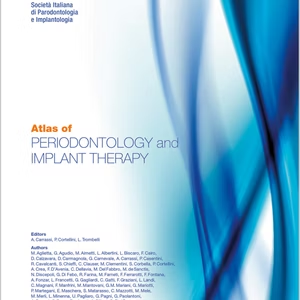 Atlas of Periodontology and Implant Therapy
2 × Rp9.588.000
Atlas of Periodontology and Implant Therapy
2 × Rp9.588.000 -
×
 Attachments In The Laboratory
1 × Rp2.346.000
Attachments In The Laboratory
1 × Rp2.346.000 -
×
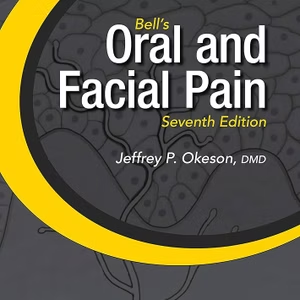 Bells Oral And Facial Pain 7Th Edition
1 × Rp2.346.000
Bells Oral And Facial Pain 7Th Edition
1 × Rp2.346.000 -
×
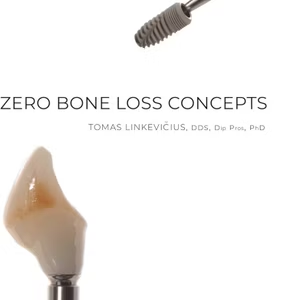 Zero Bone Loss Concepts
1 × Rp4.794.000
Zero Bone Loss Concepts
1 × Rp4.794.000

Uncategorized
The Role of Saliva in Oral Health: Why It’s More Important Than You Think
When we think about oral health, we usually focus on brushing, flossing, and regular dental visits. But one crucial component that often goes unnoticed is saliva. Saliva is far more than just moisture in your mouth—it plays a vital role in protecting your teeth and gums from a wide range of oral health issues. From neutralizing acids to helping digest food, saliva is constantly working to maintain a healthy oral environment.
In this blog, we’ll dive into why saliva is so important for your oral health and how it helps keep your mouth clean and your teeth strong.
🦷 What Is Saliva and What Does It Do?
Saliva is a clear, watery fluid produced by the salivary glands in your mouth. On average, a healthy person produces about 1-1.5 liters of saliva each day. But what exactly does it do?
Lubrication: Saliva helps keep your mouth moist, making it easier to chew, swallow, and speak.
Digestive Aid: It contains enzymes like amylase, which break down food as you chew, beginning the digestion process.
Protection Against Bacteria: Saliva contains antimicrobial proteins that help fight off harmful bacteria and viruses, reducing the risk of infection.
pH Balance: Saliva helps neutralize acids produced by bacteria in your mouth, reducing the risk of tooth decay.
Remineralization: Saliva also contains calcium, phosphate, and fluoride, which help remineralize and strengthen tooth enamel.
🦷 How Saliva Protects Your Teeth
1. Neutralizing Acids
The bacteria in your mouth feed on food particles and produce acids that can erode tooth enamel and lead to cavities. Saliva works as a natural defense by neutralizing these acids, preventing them from doing damage to your teeth.
How it helps: The pH balance of saliva helps maintain an environment in your mouth that is less conducive to tooth decay.
2. Remineralizing Tooth Enamel
Saliva is rich in minerals like calcium and phosphate, which are essential for the remineralization of tooth enamel. After enamel is weakened by acids, saliva helps restore these minerals to strengthen your teeth.
How it helps: This process of remineralization is crucial in reversing the early stages of tooth decay before it turns into a cavity.
3. Washing Away Food Particles and Bacteria
Saliva helps flush food particles and bacteria out of your mouth. It keeps your mouth clean by washing away debris that can contribute to plaque buildup and gum disease.
How it helps: The constant flow of saliva ensures that harmful bacteria and food particles are regularly removed from your teeth and gums.
4. Fighting Infections
Saliva contains proteins like lysozyme, lactoferrin, and defensins, which have antimicrobial properties. These proteins help fight bacteria, viruses, and fungi, keeping infections at bay.
How it helps: Saliva’s immune system support helps reduce the risk of gum disease, cavities, and even oral infections like thrush.
🦷 Dry Mouth: What Happens When Saliva Production Is Low
Saliva is essential for keeping your mouth healthy, so when you experience a dry mouth (known as xerostomia), it can lead to a host of oral health problems. Dry mouth can occur for various reasons, including dehydration, medication side effects, or certain health conditions like diabetes. When your body doesn’t produce enough saliva, your mouth is more vulnerable to cavities, gum disease, and bad breath.
Causes of Dry Mouth:
Medications: Many medications, including antihistamines, antidepressants, and blood pressure medications, can cause dry mouth as a side effect.
Dehydration: Not drinking enough water can lead to reduced saliva production.
Health Conditions: Conditions like diabetes, autoimmune diseases, and hormonal changes can also cause dry mouth.
Aging: As people age, the salivary glands may not function as well, leading to a decrease in saliva production.
How Dry Mouth Affects Oral Health:
Increased Risk of Cavities: Without enough saliva to neutralize acids and remineralize enamel, the risk of cavities increases.
Gum Disease: Lack of saliva can cause gum tissues to become dry and irritated, increasing the risk of gum disease.
Bad Breath: Dry mouth can contribute to halitosis (bad breath), as saliva helps wash away food particles and bacteria.
Managing Dry Mouth:
If you’re experiencing dry mouth, there are several ways to manage it:
Drink plenty of water: Hydration is key to maintaining healthy saliva levels.
Chew sugar-free gum: Chewing stimulates saliva production.
Use saliva substitutes: Over-the-counter saliva substitutes can help keep your mouth moist.
Visit your dentist: If you suffer from dry mouth, your dentist can recommend solutions to protect your oral health.
🦷 Diet and Saliva Production
Your diet also plays a role in saliva production. Certain foods can help stimulate the flow of saliva, while others may contribute to dry mouth.
Foods That Stimulate Saliva Production:
Citrus Fruits: The sourness of citrus fruits like oranges and lemons can help stimulate saliva production.
Chewing Gum: Sugar-free gum is a great way to encourage saliva flow.
Fiber-rich Vegetables: Foods like carrots, celery, and apples can naturally stimulate saliva production by encouraging chewing.
Foods That Can Dry Out Your Mouth:
Caffeinated Beverages: Coffee, tea, and sodas can contribute to dehydration, leading to dry mouth.
Salty Snacks: Chips and pretzels can cause you to feel thirsty, reducing the amount of saliva in your mouth.
Alcohol: Alcohol is a diuretic and can reduce saliva production, contributing to dry mouth.
🦷 Tips for Maintaining Healthy Saliva Flow
Stay hydrated: Drink plenty of water throughout the day to support saliva production.
Avoid smoking: Smoking can decrease saliva production, leading to dry mouth.
Chew sugar-free gum: Gum helps stimulate saliva and can be a quick fix for dry mouth.
Maintain a balanced diet: Eat foods that support your oral health, like crunchy fruits and vegetables, and avoid excessive sugar and caffeine.
🦷 Final Thoughts: Saliva Is Essential for Oral Health
Saliva may seem like an overlooked part of your oral health, but its role is crucial. From protecting your teeth from decay to helping fight infections and supporting digestion, saliva is constantly working to maintain a healthy mouth. If you’re experiencing dry mouth or other issues with saliva production, be sure to talk to your dentist for personalized advice.
