
-
×
 The Single-Tooth Implant: A Minimally Invasive Approach for Anterior and Posterior Extraction Sockets
1 × Rp4.182.000
The Single-Tooth Implant: A Minimally Invasive Approach for Anterior and Posterior Extraction Sockets
1 × Rp4.182.000 -
×
 Atlas Of Tooth & Imp-Supp Prosthodontics
1 × Rp2.978.400
Atlas Of Tooth & Imp-Supp Prosthodontics
1 × Rp2.978.400 -
×
 Advanced Immediate Loading
1 × Rp3.692.400
Advanced Immediate Loading
1 × Rp3.692.400 -
×
 Bone Augmentation In Oral Implantology
1 × Rp3.345.600
Bone Augmentation In Oral Implantology
1 × Rp3.345.600 -
×
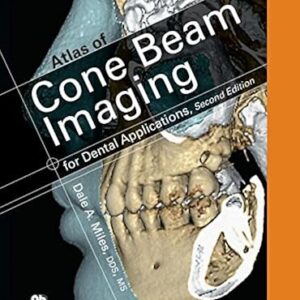 Atlas Of Cone Beam Volumetric Imaging For Applications Second Edition
1 × Rp3.406.800
Atlas Of Cone Beam Volumetric Imaging For Applications Second Edition
1 × Rp3.406.800 -
×
 Atlas of Periodontology and Implant Therapy
2 × Rp9.588.000
Atlas of Periodontology and Implant Therapy
2 × Rp9.588.000 -
×
 Attachments In The Laboratory
1 × Rp2.346.000
Attachments In The Laboratory
1 × Rp2.346.000 -
×
 Bells Oral And Facial Pain 7Th Edition
1 × Rp2.346.000
Bells Oral And Facial Pain 7Th Edition
1 × Rp2.346.000 -
×
 Zero Bone Loss Concepts
1 × Rp4.794.000
Zero Bone Loss Concepts
1 × Rp4.794.000 -
×
 Next-Generation Biomaterials For Bone And Periodontal Regeneration
1 × Rp6.528.000
Next-Generation Biomaterials For Bone And Periodontal Regeneration
1 × Rp6.528.000 -
×
 Atlas Of Laser Applications In Dentistry
1 × Rp3.121.200
Atlas Of Laser Applications In Dentistry
1 × Rp3.121.200
Uncategorized
The Role of Nutrition in Oral Health: Foods That Help and Harm Your Teeth
We all know that good nutrition is essential for overall health, but did you know it’s just as important for your oral health? The foods you eat can have a major impact on the health of your teeth and gums. Some foods help strengthen your teeth and protect against decay, while others can lead to cavities, gum disease, and other oral health problems.
In this blog, we’ll explore how nutrition influences your oral health and highlight which foods are best for maintaining a healthy smile—and which ones to limit or avoid.
🦷 The Connection Between Diet and Oral Health
Your teeth and gums are constantly exposed to the foods and drinks you consume, and these can either support or damage your oral health. Here’s how:
Minerals like calcium and phosphorus help strengthen teeth and bone structure.
Vitamins such as Vitamin C are essential for gum health and healing.
Sugars and acids can erode enamel, leading to tooth decay and cavities.
Maintaining a balanced diet rich in essential nutrients can help keep your teeth strong and your gums healthy.
🦷 Teeth-Friendly Foods That Promote Oral Health
1. Dairy Products (Milk, Cheese, Yogurt)
Dairy products are rich in calcium, which is crucial for building strong teeth and bones. They also contain phosphorus, which helps to remineralize tooth enamel, and casein, a protein that protects teeth from demineralization.
Cheese: Eating cheese after meals can help neutralize acids in the mouth, reducing the risk of tooth decay.
Yogurt: Packed with probiotics, yogurt promotes a healthy balance of bacteria in the mouth, which is essential for gum health.
2. Leafy Greens (Spinach, Kale)
Leafy greens are loaded with calcium, folic acid, and vitamins, which contribute to strong teeth and healthy gums. These vegetables help neutralize harmful acids in the mouth and protect tooth enamel from decay. Additionally, their high fiber content promotes saliva production, which is essential for oral health.
3. Crunchy Vegetables (Carrots, Celery, Cucumbers)
Crunchy vegetables act as natural toothbrushes, scrubbing away plaque and food particles as you chew. They stimulate saliva production, which helps wash away food debris and neutralizes acids in the mouth. Carrots and celery, for example, are excellent at cleaning the teeth and massaging the gums.
4. Apples and Pears
While apples and pears contain natural sugars, their high water content helps wash away sugar and food particles from the teeth. The act of chewing these fruits also stimulates the production of saliva, which is essential for keeping your mouth clean and neutralizing acids that contribute to tooth decay.
5. Green Tea
Green tea is rich in antioxidants that promote gum health and fight off harmful bacteria in the mouth. It contains compounds called catechins, which help reduce inflammation and protect against gum disease. Drinking green tea regularly can also help prevent bad breath and reduce the risk of tooth decay.
🦷 Foods That Harm Your Teeth
While some foods promote oral health, others can cause significant damage to your teeth and gums. Here’s a list of foods and beverages you should be cautious of:
1. Sugary Snacks and Drinks (Candy, Soda, Pastries)
Sugar is one of the biggest culprits in tooth decay. When sugar comes into contact with the bacteria in your mouth, it creates acids that erode tooth enamel. Candy, cookies, soda, and other sugary snacks provide fuel for harmful bacteria and increase the risk of cavities. Sticky candies, in particular, can cling to teeth and make it harder for saliva to wash them away.
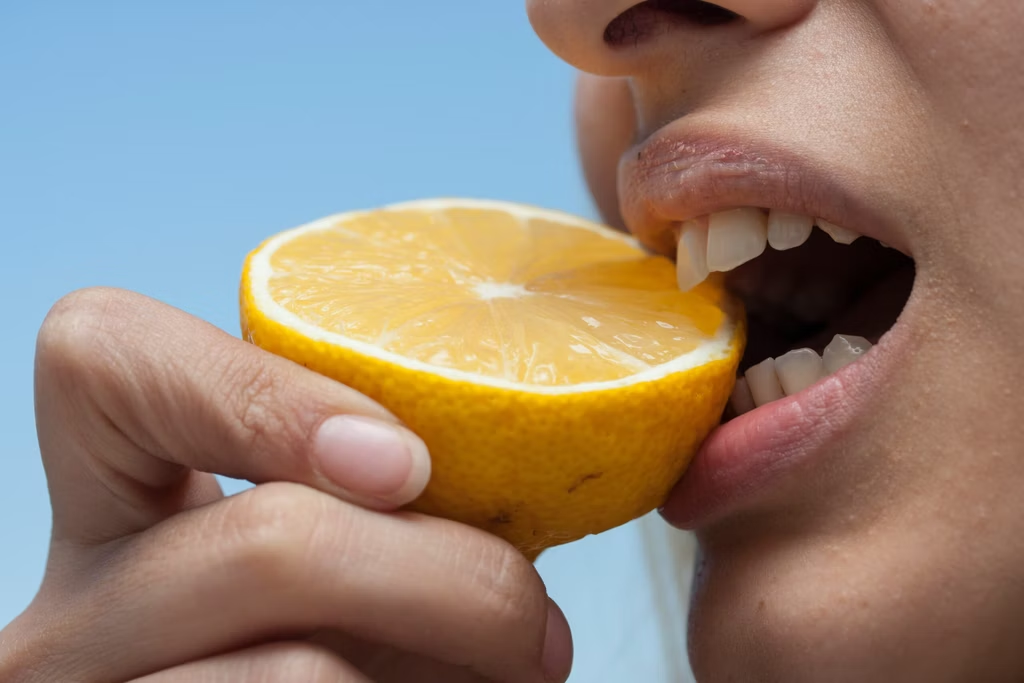
2. Citrus Fruits (Oranges, Lemons, Grapefruits)
While citrus fruits are packed with vitamin C, their high acidity can wear down tooth enamel over time. Constant exposure to acidic foods like lemons and grapefruits can lead to enamel erosion, making teeth more susceptible to decay and sensitivity. If you do consume citrus, rinse your mouth with water afterward to minimize enamel damage.
3. Carbonated Drinks (Soda, Sparkling Water)
Soda and other carbonated drinks contain not only sugar but also phosphoric acid and citric acid, which can erode tooth enamel. While diet sodas may not contain sugar, they still have acid, which can be harmful to your teeth. Opt for water or milk to hydrate your body and protect your oral health.
4. Starchy Foods (Potato Chips, Crackers, White Bread)
Starches like potato chips, crackers, and white bread are broken down into sugars in the mouth, which feed harmful bacteria. These types of foods can get stuck in the crevices of your teeth, providing a constant supply of sugar for bacteria to feed on, leading to plaque buildup and cavities.
5. Alcohol
Excessive alcohol consumption can dry out your mouth, reducing saliva production. Saliva is essential for neutralizing acids and washing away food particles and bacteria. A dry mouth can lead to tooth decay and gum disease over time. If you drink alcohol, be sure to drink plenty of water to keep your mouth hydrated.
🦷 How to Protect Your Teeth Through Diet
To promote oral health, try to include the following habits in your diet:
Drink Plenty of Water: Water helps rinse away food particles, prevent dry mouth, and neutralize acids.
Brush and Floss After Meals: Brushing and flossing remove food particles and plaque that can cause tooth decay.
Limit Sugar Intake: Minimize your consumption of sugary snacks and drinks, and always brush afterward if you indulge.
Eat a Balanced Diet: Include a variety of nutrient-rich foods such as vegetables, fruits, lean proteins, and whole grains to support overall and oral health.
💡 Final Thoughts: Nutrition Matters for a Healthy Smile
What you eat has a significant impact on your teeth and gums. By incorporating more tooth-friendly foods into your diet and avoiding harmful ones, you can maintain a healthy smile for years to come. Remember, a balanced diet isn’t just good for your body—it’s also essential for your oral health.
