
-
×
 Zero Bone Loss Concepts
1 × Rp4.794.000
Zero Bone Loss Concepts
1 × Rp4.794.000 -
×
 Atlas Of Complications And Failures In Implant Dentistry: Guidelines For A Therapeutic Approach
1 × Rp7.813.200
Atlas Of Complications And Failures In Implant Dentistry: Guidelines For A Therapeutic Approach
1 × Rp7.813.200 -
×
 Next-Generation Biomaterials For Bone And Periodontal Regeneration
1 × Rp6.528.000
Next-Generation Biomaterials For Bone And Periodontal Regeneration
1 × Rp6.528.000
Uncategorized
What Is Tooth Bonding? The Benefits and Process Explained
If you’re looking for a quick and effective way to improve the appearance of your teeth, tooth bonding could be the solution. This non-invasive cosmetic dental procedure is designed to fix a variety of issues, from small chips to discoloration, in just one visit.
In this blog, we’ll explain what tooth bonding is, the benefits it offers, and the step-by-step process so you can determine if it’s the right treatment for you.
🦷 What Is Tooth Bonding?
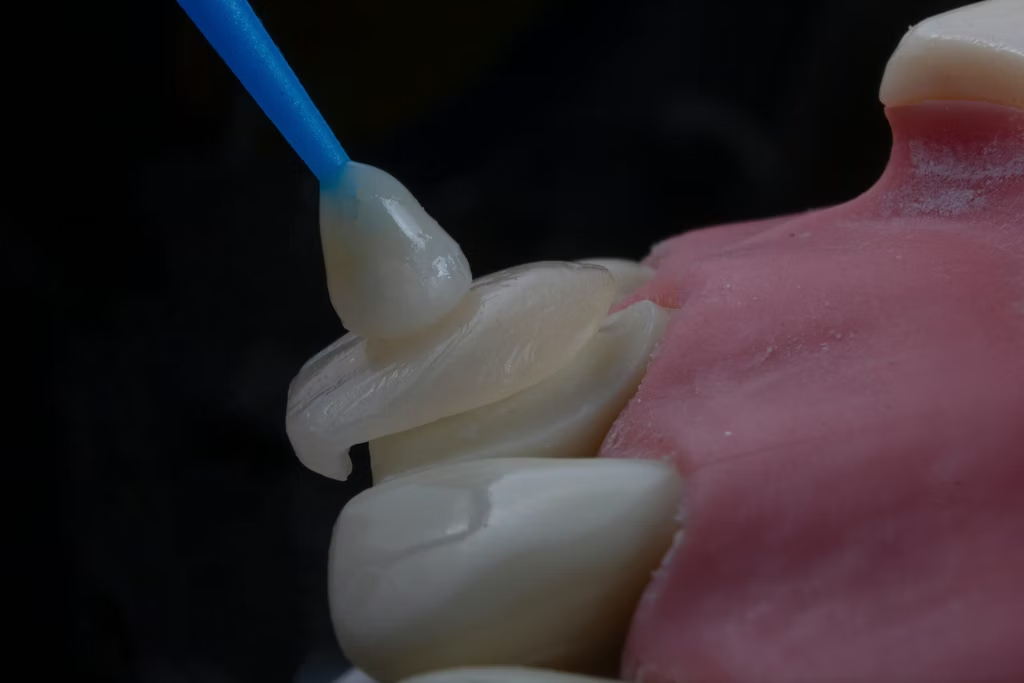
Tooth bonding is a cosmetic dental procedure that involves applying a tooth-colored resin to the surface of your teeth. The resin is shaped and hardened to improve the size, shape, and color of the teeth. It’s commonly used to treat:
Chips or cracks
Discoloration
Gaps between teeth
Uneven teeth
Exposed tooth roots due to gum recession
Bonding is a versatile and affordable option for those looking to enhance their smile without undergoing more invasive procedures like crowns or veneers.
🦷 Benefits of Tooth Bonding
1. Quick and Easy Procedure
Tooth bonding is one of the fastest cosmetic dental treatments available. The procedure usually takes 30 minutes to an hour per tooth, and most people can complete the process in just one visit.
2. Cost-Effective
Compared to other cosmetic procedures like veneers or crowns, tooth bonding is generally more affordable. It’s a great option if you’re on a budget but want to enhance the look of your smile.
3. Minimal Tooth Enamel Removal
Unlike veneers or crowns, which require the removal of some tooth enamel, bonding typically requires little to no enamel removal. This makes it a conservative option for improving your smile.
4. Durable and Long-Lasting
Although not as durable as veneers or crowns, bonded teeth can last for several years with proper care. The resin is strong enough to withstand everyday activities like eating and drinking.
5. Immediate Results
One of the greatest advantages of bonding is that you’ll see immediate results. There’s no need to wait for weeks or months for your new smile to take shape.
🦷 The Tooth Bonding Process
Step 1: Consultation
During your initial consultation, your dentist will evaluate your oral health and determine if tooth bonding is the right solution for you. If you have cavities or gum disease, your dentist may recommend addressing those issues before proceeding with bonding.
Step 2: Preparation
Unlike crowns or veneers, tooth bonding doesn’t require a lot of preparation. Your dentist will choose a composite resin color that closely matches your natural teeth. In some cases, they may lightly etch the surface of your tooth to help the resin bond better.
Step 3: Application of the Resin
Your dentist will apply the resin to the affected tooth in layers. They will shape and mold the resin to match the natural contours of your tooth. The material is pliable, allowing for precise adjustments.
Step 4: Hardening the Resin
Once the resin is in place, your dentist will use a special ultraviolet light to harden the material. This light helps the resin bond securely to your tooth.
Step 5: Shaping and Polishing
After the resin has hardened, your dentist will shape and polish the material to ensure it blends seamlessly with your surrounding teeth. The result is a smooth, natural-looking finish that enhances the appearance of your smile.
🦷 How Long Does Tooth Bonding Last?
Tooth bonding typically lasts between 3 to 10 years, depending on how well you care for it. While it’s a durable option, bonding material is more prone to chipping and staining compared to other treatments like crowns or veneers.
To extend the lifespan of your bonded teeth:
Avoid biting hard objects like ice or pens.
Limit staining foods like coffee, tea, and red wine.
Brush and floss regularly to prevent plaque buildup around the bonding material.
🦷 When Should You Consider Tooth Bonding?
Tooth bonding is ideal for individuals with minor dental imperfections. Here are a few scenarios where bonding might be the right choice:
Chipped teeth: Bonding can quickly restore the shape and function of a chipped tooth.
Small gaps: Bonding can close small gaps between teeth for a more uniform smile.
Discoloration: Bonding can mask stains or discoloration that won’t respond to whitening treatments.
Minor misalignment: Bonding can be used to adjust the appearance of slightly crooked teeth.
However, if you have more significant dental issues, such as large cavities or severe misalignment, other treatments like veneers or crowns may be more appropriate.
💡 Final Thoughts: Is Tooth Bonding Right for You?
Tooth bonding is a quick, cost-effective, and minimally invasive way to address cosmetic dental concerns and enhance your smile. Whether you’re dealing with chips, discoloration, or small gaps, bonding can provide a natural-looking solution that lasts for years with proper care.
