
-
×
 Atlas Of Cosmetic Dentistry
1 × Rp4.263.600
Atlas Of Cosmetic Dentistry
1 × Rp4.263.600 -
×
 Biomechanics/Osteosynthesis Condylar
1 × Rp2.488.800
Biomechanics/Osteosynthesis Condylar
1 × Rp2.488.800 -
×
 Interpreting Dental Radiographs
1 × Rp999.600
Interpreting Dental Radiographs
1 × Rp999.600 -
×
 Art Of Detailing: Philosophical Foundations
1 × Rp5.242.800
Art Of Detailing: Philosophical Foundations
1 × Rp5.242.800 -
×
 Clinician's Handbook Of Oral And Maxillofacial Surgery Second Edition
1 × Rp4.977.600
Clinician's Handbook Of Oral And Maxillofacial Surgery Second Edition
1 × Rp4.977.600
Uncategorized
Why You Shouldn’t Ignore Tooth Sensitivity: Causes and Treatments
Do you feel a sharp, sudden pain in your teeth when eating ice cream or sipping a hot drink? If so, you’re not alone. Tooth sensitivity is a common problem that affects many people, but it’s often brushed off as something temporary.
However, tooth sensitivity can indicate an underlying dental issue that requires attention. In this blog, we’ll explore the causes of tooth sensitivity and what you can do to treat and prevent it.
🦷 What Is Tooth Sensitivity?
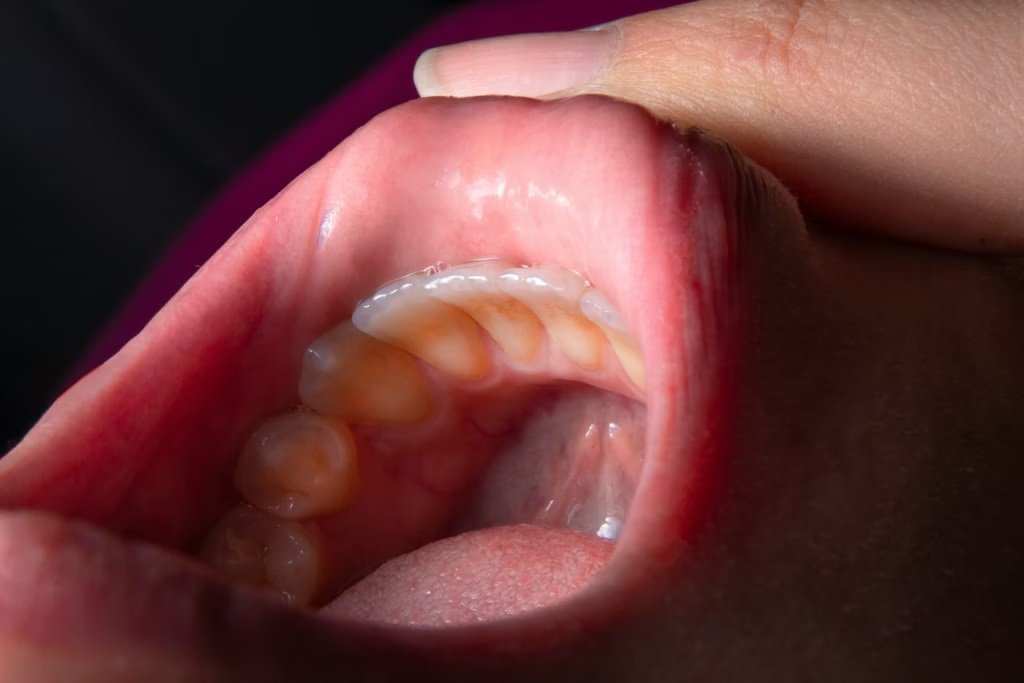
Tooth sensitivity is characterized by a sharp, sudden pain in response to certain stimuli—like cold, hot, sweet, or acidic foods and drinks. It occurs when the protective enamel on your teeth wears down, or when your gums recede, exposing the dentin (the layer beneath enamel), which is more sensitive to temperature changes.
If left untreated, tooth sensitivity can become more intense over time and make eating or drinking certain foods uncomfortable or even painful.
🦷 Common Causes of Tooth Sensitivity
There are several reasons why your teeth might be sensitive, including:
1. Worn-Down Enamel
Enamel is the protective outer layer of your teeth. Over time, it can wear down due to:
Brushing too hard
Eating acidic foods and drinks (like citrus, soda, or coffee)
Teeth grinding (bruxism)
2. Gum Recession
As your gums recede, the softer root of your tooth becomes exposed. This can lead to heightened sensitivity, especially in areas where the gums have pulled back from the tooth.
3. Tooth Decay
Cavities and tooth decay can expose the dentin, causing pain when eating or drinking.
4. Cracked or Chipped Teeth
A cracked tooth can expose the dentin or nerves within, leading to sensitivity.
5. Dental Procedures
Certain dental treatments like teeth whitening, fillings, or cleanings can temporarily increase tooth sensitivity.
6. Bruxism (Teeth Grinding)
Grinding your teeth, especially at night, can cause enamel wear and gum recession, leading to increased sensitivity.
🦷 How to Treat and Manage Tooth Sensitivity
If you’re experiencing tooth sensitivity, here are some treatments and tips that can help manage or reduce the discomfort:
✅ Use Desensitizing Toothpaste
Desensitizing toothpaste contains compounds that help block pain signals from the tooth’s surface. Regular use can help reduce sensitivity over time.
✅ Switch to a Soft-Bristled Toothbrush
Brushing too hard with a hard-bristled toothbrush can wear down enamel and worsen sensitivity. Opt for a soft-bristled toothbrush and brush gently.
✅ Avoid Acidic Foods and Drinks
Foods like citrus fruits, vinegar, and soda can erode enamel, making sensitivity worse. Try to limit these in your diet, or rinse your mouth with water after consuming them.
✅ Get a Custom Mouthguard
If you grind your teeth at night, ask your dentist about a custom mouthguard. It can protect your teeth from the pressure of grinding and prevent further damage.
✅ Consider a Fluoride Treatment
Fluoride can help strengthen enamel and protect against further sensitivity. Your dentist may offer fluoride treatments to reinforce your teeth’s protective layer.
✅ Use a Special Toothbrush or Gel
For extremely sensitive teeth, your dentist may recommend a toothpaste with higher fluoride content or a special gel that helps build a barrier against temperature changes.
🦷 When to See a Dentist
If you’ve tried home remedies but still experience significant discomfort or pain, it’s time to see a dentist. Persistent sensitivity may be a sign of:
A cavity
An abscessed tooth
Gum disease
A cracked tooth
Your dentist can help diagnose the root cause of your sensitivity and recommend more specific treatments, such as fillings, root canals, or gum treatments.
💡 Final Thoughts: Don’t Ignore Tooth Sensitivity
Tooth sensitivity is more than just a minor nuisance—it could be a sign that your teeth or gums need some attention. By addressing the underlying cause of your sensitivity, you can relieve discomfort and prevent more serious dental issues from developing.
