
-
×
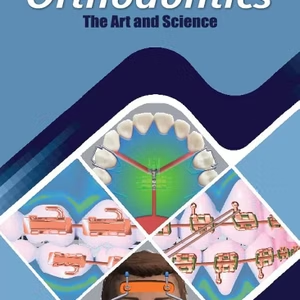 Orthodontics:The Art And Science Of Dentofacial Enhancement
1 × Rp3.264.000
Orthodontics:The Art And Science Of Dentofacial Enhancement
1 × Rp3.264.000 -
×
 Atlas Of Laser Applications In Dentistry
1 × Rp3.121.200
Atlas Of Laser Applications In Dentistry
1 × Rp3.121.200 -
×
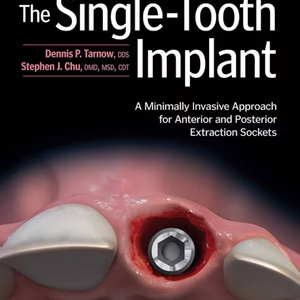 The Single-Tooth Implant: A Minimally Invasive Approach for Anterior and Posterior Extraction Sockets
2 × Rp4.182.000
The Single-Tooth Implant: A Minimally Invasive Approach for Anterior and Posterior Extraction Sockets
2 × Rp4.182.000 -
×
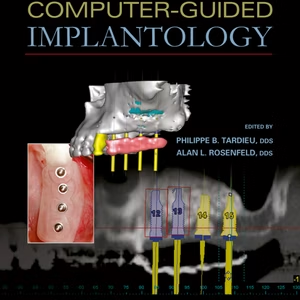 Art Of Computer-Guided Implantology
1 × Rp3.733.200
Art Of Computer-Guided Implantology
1 × Rp3.733.200 -
×
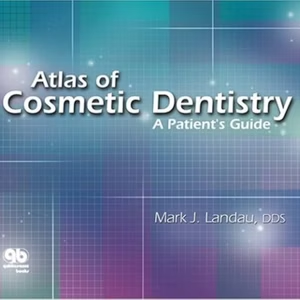 Atlas Of Cosmetic Dentistry
2 × Rp4.263.600
Atlas Of Cosmetic Dentistry
2 × Rp4.263.600 -
×
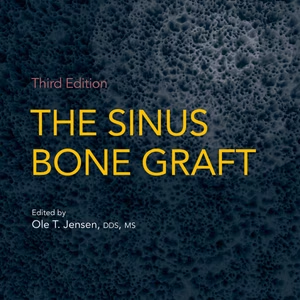 The Sinus Bone Graft
2 × Rp4.977.600
The Sinus Bone Graft
2 × Rp4.977.600 -
×
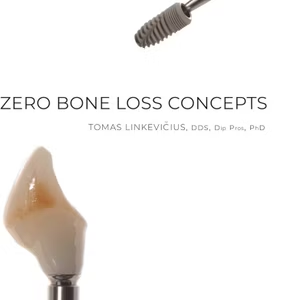 Zero Bone Loss Concepts
1 × Rp4.794.000
Zero Bone Loss Concepts
1 × Rp4.794.000 -
×
 Osseointegration In Craniofacial Recon
1 × Rp3.937.200
Osseointegration In Craniofacial Recon
1 × Rp3.937.200 -
×
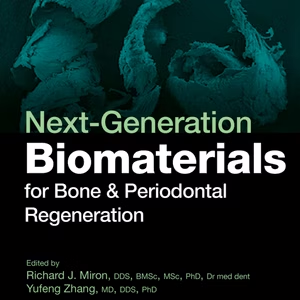 Next-Generation Biomaterials For Bone And Periodontal Regeneration
2 × Rp6.528.000
Next-Generation Biomaterials For Bone And Periodontal Regeneration
2 × Rp6.528.000 -
×
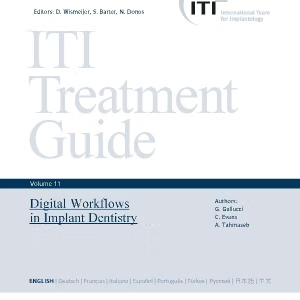 ITI Treatment Guide Volume 11: Digital Workflows in Implant Dentistry
1 × Rp2.284.800
ITI Treatment Guide Volume 11: Digital Workflows in Implant Dentistry
1 × Rp2.284.800
Uncategorized
How Hormones Affect Your Oral Health: What Every Patient Should Know
When people think of hormones, they usually think of mood changes, skin, or energy levels—but your oral health is deeply influenced by hormonal changes too. Whether you’re going through puberty, pregnancy, menopause, or even monthly cycles, your hormonal balance can affect your gums, teeth, and mouth more than you might expect.
In this post, we’ll dive into how hormones play a role in dental health at every stage of life—and what you can do to keep your mouth healthy through the ups and downs.
🔄 What Are Hormones, and Why Do They Affect the Mouth?
Hormones are chemical messengers that regulate many functions in the body, including blood flow, inflammation, and tissue health. Your gums and oral tissues are sensitive to these changes, especially estrogen and progesterone.
When hormone levels fluctuate, they can lead to changes like:
Gum inflammation
Increased plaque response
Bleeding during brushing
Mouth sores or dry mouth
👧 Puberty & Oral Health
During puberty, rising estrogen and testosterone levels can increase blood flow to the gums, making them:
Redder
Swollen
More sensitive to plaque
This condition, often called puberty gingivitis, is common and usually temporary—but it’s a great time to establish strong brushing and flossing habits.
🤰 Pregnancy and “Pregnancy Gingivitis”
Many pregnant women notice their gums become:
More prone to swelling and bleeding
Sensitive to brushing
More reactive to plaque and bacteria
This is known as pregnancy gingivitis, affecting up to 60-70% of pregnant individuals. Hormones like progesterone increase blood flow and can make the gums more vulnerable to inflammation.
🍼 Pregnancy tip: Oral health is especially important during pregnancy—not just for mom, but for baby too. Poor oral health during pregnancy has been linked to premature birth and low birth weight.
💊 Birth Control and Hormonal Medications
Some hormonal contraceptives can mimic pregnancy-like effects on the gums, increasing your risk of inflammation or dry mouth. Always inform your dentist about any medications you’re taking so they can tailor your care accordingly.
🧓 Menopause & Post-Menopause
Hormonal shifts in menopause can lead to:
Dry mouth (xerostomia)
Burning mouth syndrome
Changes in taste perception
Gum recession or sensitivity
Less saliva means more risk of decay and infection, since saliva helps neutralize acids and wash away bacteria.
What helps: Stay hydrated, use mouth-moisturizing products, and talk to your dentist about fluoride treatments or saliva substitutes.
🦷 Tips for Managing Hormonal Effects on Oral Health
✅ Maintain consistent brushing and flossing—even when your gums feel sensitive
✅ Use a soft-bristled toothbrush to avoid irritating inflamed gums
✅ Visit your dentist regularly, especially during pregnancy or menopause
✅ Drink plenty of water and avoid sugary or acidic drinks
✅ Don’t skip dental checkups—early detection is key!
💡 Final Thoughts: Your Mouth Responds to Your Hormones—So Pay Attention!
Your body is always changing—and your mouth is one of the first places those changes show up. Understanding how hormones impact your oral health empowers you to take proactive steps to keep your smile healthy through every phase of life.
