
-
×
 Attachments In The Laboratory
2 × Rp2.346.000
Attachments In The Laboratory
2 × Rp2.346.000 -
×
 4D Implant Therapy: Esthetic Consideration For Soft Tissue Management
1 × Rp3.835.200
4D Implant Therapy: Esthetic Consideration For Soft Tissue Management
1 × Rp3.835.200 -
×
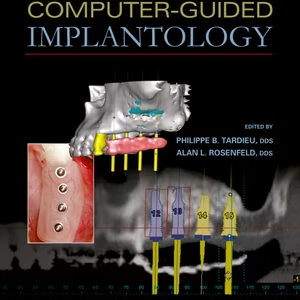 Art Of Computer-Guided Implantology
1 × Rp3.733.200
Art Of Computer-Guided Implantology
1 × Rp3.733.200 -
×
 Atlas Of Dental Rehabilitation Techniques
1 × Rp6.222.000
Atlas Of Dental Rehabilitation Techniques
1 × Rp6.222.000 -
×
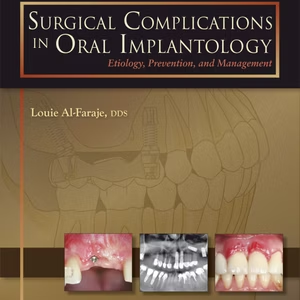 Surgical And Radiologic Anatomy For Oral Implantology
1 × Rp5.181.600
Surgical And Radiologic Anatomy For Oral Implantology
1 × Rp5.181.600
Uncategorized
The Link Between Oral Health and Overall Well-Being
ChatGPT said:
Absolutely! Here’s a brand new blog topic with fresh content for you:
🦷 Blog Topic: “The Link Between Oral Health and Overall Well-Being”
The Link Between Oral Health and Overall Well-Being
Did you know that the health of your mouth can have a direct impact on the rest of your body? Oral health isn’t just about keeping your teeth and gums in good shape—it plays a crucial role in your overall health and well-being.
From your heart to your gut, your oral hygiene routine affects more than just your smile. In this blog, we’ll explore the surprising connections between oral health and your general health, and why it’s so important to take care of your teeth and gums.
❤️ 1. Oral Health and Heart Disease
There’s a strong link between gum disease (periodontitis) and heart disease. Research suggests that bacteria from infected gums can travel through the bloodstream, potentially leading to inflammation in the arteries and increasing the risk of heart attacks or strokes.
How does this happen?
When your gums are inflamed due to plaque buildup, bacteria can enter your bloodstream and cause inflammation throughout the body. This inflammation can contribute to the narrowing of blood vessels, increasing the likelihood of cardiovascular issues.
Key Takeaway: Regular brushing, flossing, and dental check-ups can reduce your risk of gum disease, which in turn helps protect your heart.
🧠 2. Oral Health and Mental Health
Did you know that your oral health can affect your mental health? It’s true. Poor oral hygiene can lead to oral infections and tooth loss, which may cause stress, anxiety, and depression.
People with dental issues may feel self-conscious about their appearance or experience physical pain, which can negatively affect their self-esteem and social interactions. On the flip side, maintaining a healthy mouth can boost your confidence and improve your overall mood.
The Link to Anxiety and Depression
A study found that people who are self-conscious about their smile are more likely to experience feelings of depression or social anxiety. Simply maintaining your oral health can have a big impact on your mental and emotional well-being.
🦠 3. Oral Health and Diabetes
There’s a two-way street when it comes to diabetes and oral health. On one hand, people with diabetes are more likely to develop gum disease due to higher sugar levels in the blood, which can lead to an increased growth of bacteria in the mouth.
On the other hand, gum disease can make it harder for your body to control blood sugar levels, creating a vicious cycle.
How to Break the Cycle
Keeping your gums healthy through good oral hygiene and regular visits to the dentist can help you manage both your oral and blood sugar health.
💡 4. Oral Health and Pregnancy
Did you know that gum disease can affect your pregnancy? Pregnant women are more likely to develop gum disease due to hormonal changes, which can increase the risk of preterm birth and low birth weight babies.
How to Protect Your Pregnancy and Oral Health:
Brush and floss regularly to remove plaque.
Visit your dentist for a checkup and cleaning.
Avoid sugary foods that can contribute to tooth decay.
🦷 5. Oral Health and Digestion
Your mouth is the entryway to your digestive system, and the health of your teeth and gums can affect your ability to digest food properly. For instance, if you have missing teeth or poorly aligned teeth, you may not chew food as thoroughly, which can lead to digestive issues like indigestion or heartburn.
Furthermore, bacteria from gum disease can travel down into the digestive tract, potentially leading to stomach problems or infections.
Pro Tip: Eating a balanced diet with plenty of fiber-rich foods and brushing after meals can keep both your digestive system and your teeth in top condition.
🌟 6. The Importance of Regular Dental Check-ups
The best way to ensure that your mouth is healthy and preventing these linked issues is by seeing your dentist regularly. Dental check-ups not only help catch dental problems early but can also uncover signs of other health issues.
Signs Your Dentist Might Spot:
High blood pressure or diabetes symptoms
Oral cancer signs
Early signs of heart disease
Regular visits allow your dentist to monitor your overall oral health, making it easier to spot any red flags before they become serious problems.
🦷 Final Thoughts: A Healthy Mouth, A Healthy Life
Your oral health is much more than just your smile—it’s connected to your entire body’s health. By practicing good oral hygiene and seeing your dentist regularly, you’re taking an important step in maintaining your overall well-being.
Remember: Healthy mouth, healthy body!
