
-
×
 Advanced Immediate Loading
2 × Rp3.692.400
Advanced Immediate Loading
2 × Rp3.692.400 -
×
 Atlas of Periodontology and Implant Therapy
2 × Rp9.588.000
Atlas of Periodontology and Implant Therapy
2 × Rp9.588.000 -
×
 Autotransplantation Of Teeth
1 × Rp3.468.000
Autotransplantation Of Teeth
1 × Rp3.468.000 -
×
 Atlas Of Cosmetic Dentistry
2 × Rp4.263.600
Atlas Of Cosmetic Dentistry
2 × Rp4.263.600 -
×
 Atlas Of Tooth & Imp-Supp Prosthodontics
1 × Rp2.978.400
Atlas Of Tooth & Imp-Supp Prosthodontics
1 × Rp2.978.400 -
×
 The Sinus Bone Graft
1 × Rp4.977.600
The Sinus Bone Graft
1 × Rp4.977.600 -
×
 Biomechanics/Osteosynthesis Condylar
2 × Rp2.488.800
Biomechanics/Osteosynthesis Condylar
2 × Rp2.488.800 -
×
 Attachments In The Laboratory
1 × Rp2.346.000
Attachments In The Laboratory
1 × Rp2.346.000 -
×
 Art Of Computer-Guided Implantology
1 × Rp3.733.200
Art Of Computer-Guided Implantology
1 × Rp3.733.200 -
×
 4D Implant Therapy: Esthetic Consideration For Soft Tissue Management
2 × Rp3.835.200
4D Implant Therapy: Esthetic Consideration For Soft Tissue Management
2 × Rp3.835.200 -
×
 Bone Augmentation In Oral Implantology
1 × Rp3.345.600
Bone Augmentation In Oral Implantology
1 × Rp3.345.600 -
×
 Implant Therapy - Clinical Approaches and Evidence of Success
1 × Rp8.445.600
Implant Therapy - Clinical Approaches and Evidence of Success
1 × Rp8.445.600 -
×
 Best Practice: 77 Problem Case Solutions, Prescriptions And Laboratory Tests In Dental Practice
1 × Rp1.346.400
Best Practice: 77 Problem Case Solutions, Prescriptions And Laboratory Tests In Dental Practice
1 × Rp1.346.400
Uncategorized
Mercury-Free Dentistry: The Future of Dental Fillings and Your Health
For decades, dental amalgam has been the go-to material for fillings, with its durability and strength making it the preferred choice for many dental professionals. However, as our understanding of both human health and environmental impacts deepens, a shift toward mercury-free dentistry is gaining momentum. Recent changes in global regulations and new materials are reshaping the way we think about dental fillings—and it’s all for the better.
What Are Dental Amalgam Fillings?
Dental amalgam is a material made from a mixture of metals, including silver, tin, copper, and mercury. Mercury, which makes up about 50% of the material, is used because of its ability to bond with other metals, giving amalgam its strength and longevity.
While these fillings have been a reliable choice for over 150 years, the presence of mercury has raised concerns. Mercury is a toxic substance that can pose health risks when exposed in large quantities. Though amalgam fillings are considered safe by most regulatory bodies, the potential for mercury exposure during placement, removal, or over time has led to growing calls for safer alternatives.
The Rise of Mercury-Free Alternatives
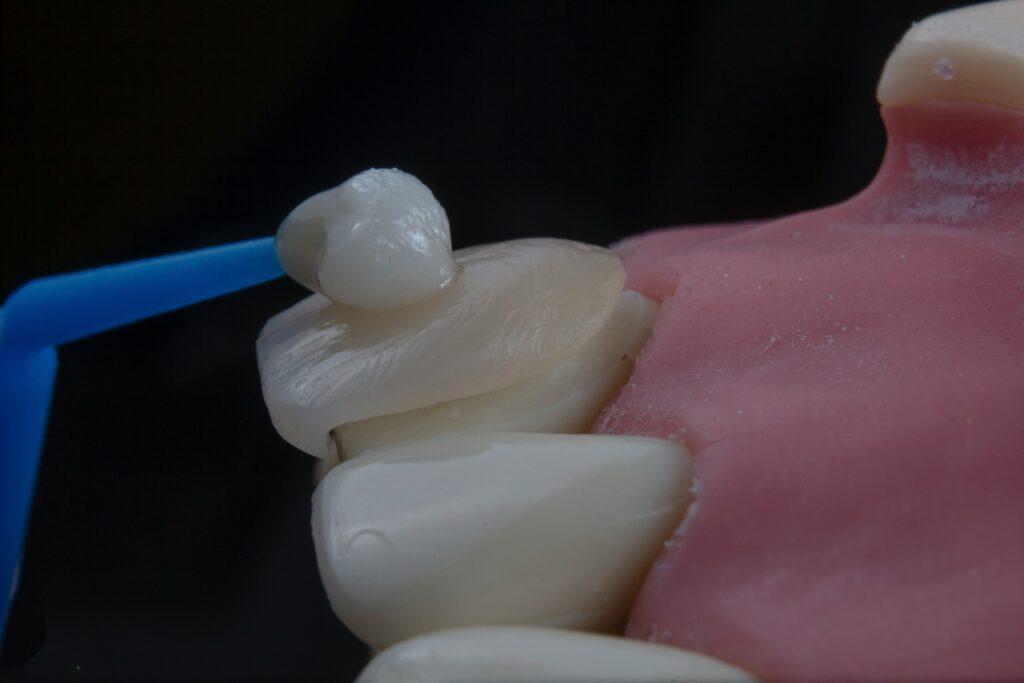
In response to these concerns, there has been a significant shift toward mercury-free fillings. These fillings are made from materials such as composite resins, porcelain, or glass ionomer, which are not only safer but also offer better aesthetic results.
Composite Resins: Made of plastic and fine glass particles, these fillings are tooth-colored, offering a more natural look compared to traditional amalgam.
Porcelain Fillings: Porcelain fillings are durable, resistant to staining, and provide excellent aesthetic results, making them a popular choice for front teeth.
Glass Ionomer: Made of a blend of glass and acrylic, glass ionomer fillings release fluoride, helping to prevent further decay.
These alternatives not only eliminate the risks associated with mercury but also offer enhanced cosmetic outcomes, particularly for fillings in visible areas of the mouth.
Why Mercury-Free Dentistry Matters for Your Health
While mercury exposure from dental amalgam fillings is a subject of ongoing research, some studies suggest that mercury can accumulate in the body over time and may be linked to neurological and kidney issues. As a result, many countries are taking proactive measures to reduce the use of mercury in dental practices.
The European Union, for instance, has banned the use of dental amalgam in children and pregnant women as of 2021, and as of January 2025, the EU will further restrict its use for all patients, except in specific medical situations. This move is part of a broader global effort to reduce environmental mercury pollution, as well as the potential risks to patient health.
By choosing mercury-free fillings, patients can reduce their exposure to this toxic substance, leading to better long-term health outcomes. For individuals with multiple amalgam fillings, replacing these with mercury-free alternatives may offer peace of mind, knowing they’re making a safer choice for their bodies.
Environmental Benefits of Mercury-Free Dentistry
Beyond personal health, mercury-free dentistry also has significant environmental benefits. Dental amalgam waste, when not disposed of properly, can contribute to mercury contamination in the environment. This can affect water systems, wildlife, and, ultimately, human populations who consume contaminated water.
By opting for mercury-free alternatives, the dental industry is not only protecting patients but also reducing the environmental impact of dental practices. This is a win-win situation for both your health and the planet.
Regulatory Changes and the Future of Mercury-Free Dentistry
As we move into 2025, regulatory bodies around the world are taking action to phase out the use of mercury in dental fillings. In the European Union, stricter regulations are now in place, and other regions are expected to follow suit. The shift toward mercury-free dentistry is not just a trend—it’s a movement that aligns with growing public awareness about the dangers of toxic materials and environmental responsibility.
Patients today are more informed than ever about the materials used in their dental treatments. As a result, many are opting for mercury-free fillings, which are now more widely available and affordable than ever before.
What Does This Mean for You?
If you’re due for a filling or need to replace an old one, it’s important to consider your options. Discuss with your dentist the benefits of mercury-free alternatives, and don’t be afraid to ask about the materials being used in your treatment.
Here are a few key benefits of choosing mercury-free fillings:
Aesthetics: Composite resins and porcelain fillings blend seamlessly with your natural teeth, providing a more attractive and natural-looking result.
Healthier choice: By eliminating mercury from your dental care, you’re making a safer choice for your overall well-being.
Environmentally friendly: You’re helping to reduce the environmental impact of mercury waste in dental offices.
Conclusion: Embrace a Mercury-Free Future
As the dental industry continues to evolve, the future of fillings looks brighter and safer than ever. With the rise of mercury-free alternatives, patients now have access to a variety of options that not only look better but also offer safer, more environmentally responsible solutions.
If you’re considering a dental filling or replacement, choosing mercury-free options is a step toward better health, a cleaner environment, and a more confident smile. Discuss your options with your dentist and make an informed decision that’s right for you and your family.
