
-
×
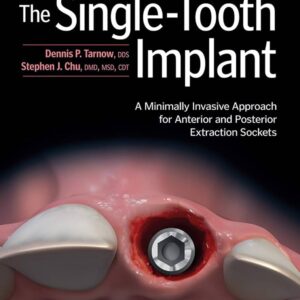 The Single-Tooth Implant: A Minimally Invasive Approach for Anterior and Posterior Extraction Sockets
1 × Rp4.182.000
The Single-Tooth Implant: A Minimally Invasive Approach for Anterior and Posterior Extraction Sockets
1 × Rp4.182.000 -
×
 Bells Oral And Facial Pain 7Th Edition
2 × Rp2.346.000
Bells Oral And Facial Pain 7Th Edition
2 × Rp2.346.000 -
×
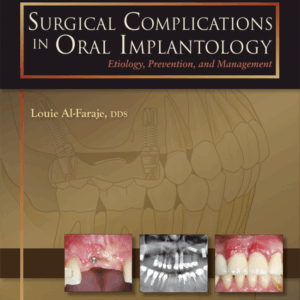
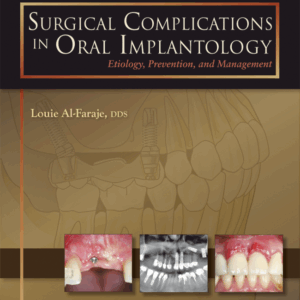 Surgical Complications In Oral Implantology: Etiology, Prevention And Management
2 × Rp4.467.600
Surgical Complications In Oral Implantology: Etiology, Prevention And Management
2 × Rp4.467.600 -
×
 Surgical And Radiologic Anatomy For Oral Implantology
2 × Rp5.181.600
Surgical And Radiologic Anatomy For Oral Implantology
2 × Rp5.181.600 -
×
 Autologous Blood Concentrates
1 × Rp5.895.600
Autologous Blood Concentrates
1 × Rp5.895.600 -
×
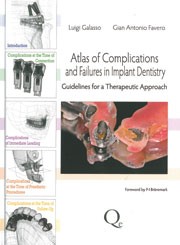 Atlas Of Complications And Failures In Implant Dentistry: Guidelines For A Therapeutic Approach
1 × Rp7.813.200
Atlas Of Complications And Failures In Implant Dentistry: Guidelines For A Therapeutic Approach
1 × Rp7.813.200 -
×
 Zero Bone Loss Concepts
2 × Rp4.794.000
Zero Bone Loss Concepts
2 × Rp4.794.000 -
×
 Atlas Of Tooth & Imp-Supp Prosthodontics
1 × Rp2.978.400
Atlas Of Tooth & Imp-Supp Prosthodontics
1 × Rp2.978.400 -
×
 Bone Augmentation In Oral Implantology
1 × Rp3.345.600
Bone Augmentation In Oral Implantology
1 × Rp3.345.600 -
×
 Atlas Of Cosmetic Dentistry
1 × Rp4.263.600
Atlas Of Cosmetic Dentistry
1 × Rp4.263.600 -
×
 Autotransplantation Of Teeth
1 × Rp3.468.000
Autotransplantation Of Teeth
1 × Rp3.468.000 -
×
 Prosthetic Rehabilitation: Part Ii Technical Procedures
1 × Rp5.854.800
Prosthetic Rehabilitation: Part Ii Technical Procedures
1 × Rp5.854.800 -
×
 Atlas of Periodontology and Implant Therapy
1 × Rp9.588.000
Atlas of Periodontology and Implant Therapy
1 × Rp9.588.000
Uncategorized
How to Choose the Right Toothbrush: Manual vs. Electric
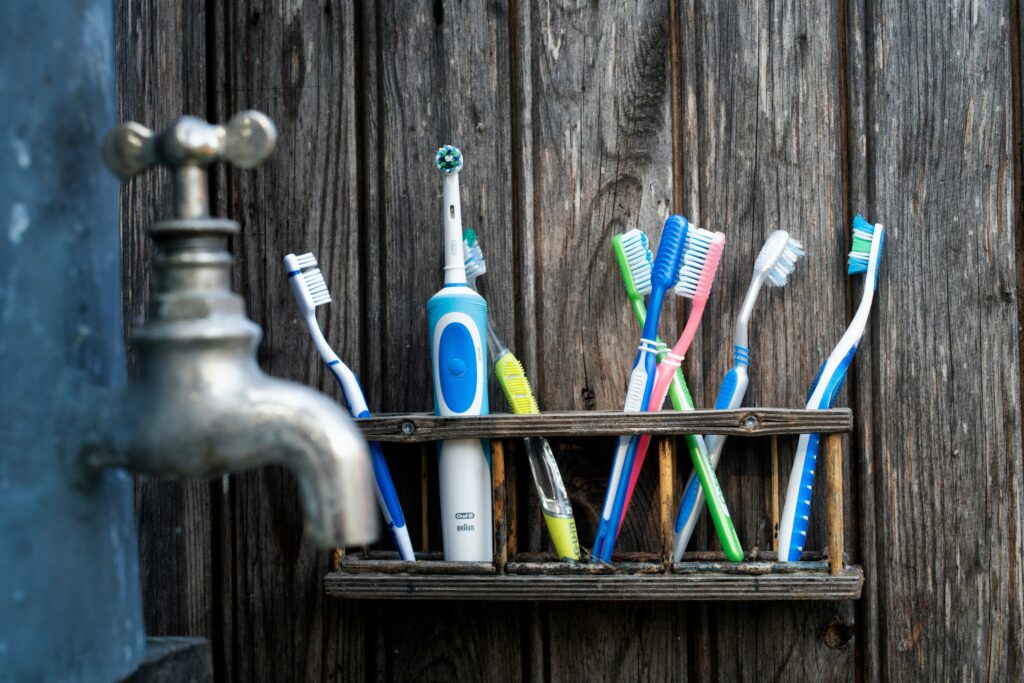
Choosing the right toothbrush is essential for maintaining optimal oral health. But with so many options available, it can be difficult to decide which one is best for you: a traditional manual toothbrush or a modern electric one? Both types of toothbrushes have their pros and cons, and your choice can make a significant difference in the effectiveness of your oral care routine. In this blog, we’ll explore the key differences between manual and electric toothbrushes to help you make an informed decision.
1. Manual Toothbrushes: The Classic Choice
What Are They?
Manual toothbrushes are the traditional type of toothbrushes that have been used for centuries. These brushes require manual effort to clean the teeth and gums. They are widely available and come in various shapes, sizes, and bristle types.
Pros of Manual Toothbrushes:
Affordable: Manual toothbrushes are inexpensive and can be purchased easily at almost any store.
Control: You have complete control over the brushing technique and pressure you apply to your teeth.
Variety: Available in many designs, bristle firmness, and sizes, making it easy to find one that fits your needs.
Compact & Portable: Ideal for travel or on-the-go use, as they are small and don’t require batteries or charging.
Cons of Manual Toothbrushes:
Less Effective: Research has shown that electric toothbrushes tend to remove more plaque and reduce gum inflammation compared to manual brushes.
Requires Proper Technique: Manual brushing requires a correct technique, including brushing for the right amount of time and applying the correct pressure. Many people don’t brush for long enough or too hard.
Inconsistent Results: The effectiveness of a manual toothbrush depends on the user’s ability to consistently use proper brushing habits.
2. Electric Toothbrushes: The Modern Upgrade
What Are They?
Electric toothbrushes use oscillating or rotating brush heads powered by batteries or electricity. They provide automated movement, making brushing easier and more efficient. Electric toothbrushes typically come with features like timers, pressure sensors, and multiple brushing modes.
Pros of Electric Toothbrushes:
Superior Plaque Removal: Studies suggest electric toothbrushes are more effective at removing plaque and reducing gingivitis compared to manual brushes.
Built-In Timers: Most electric toothbrushes come with timers that ensure you brush for the recommended two minutes, helping you maintain a proper brushing routine.
Less Effort Required: Electric toothbrushes do most of the work for you, reducing the effort needed to brush and making them especially beneficial for people with limited dexterity (e.g., arthritis).
Additional Features: Many electric toothbrushes come with built-in pressure sensors to help prevent brushing too hard, as well as modes for sensitive teeth, whitening, or gum care.
Cons of Electric Toothbrushes:
Cost: Electric toothbrushes are generally more expensive than manual ones, and you also need to replace brush heads regularly.
Bulky & Less Portable: These brushes are larger and require charging or batteries, making them less portable for travel.
Learning Curve: Some people may take time to get used to the feeling of an electric toothbrush, especially with the vibrating motion.
3. Effectiveness: Which One Works Better?
When it comes to the overall effectiveness of cleaning, electric toothbrushes generally have the edge. The automated movement helps clean teeth more efficiently by reaching areas that may be harder to clean with a manual brush, like the back molars or gumline. Electric brushes also make it easier to maintain the right brushing technique, including brushing for the correct amount of time and applying consistent pressure.
However, if used properly, a manual toothbrush can be just as effective. The key is ensuring that you brush for two minutes, use the right technique, and replace your toothbrush every three months.
4. Durability: Which Lasts Longer?
While manual toothbrushes can last several months, electric toothbrushes tend to be more durable and require fewer replacements. However, electric toothbrushes do need new brush heads approximately every 3 months (just like manual brushes). The main downside of electric toothbrushes is that the device itself can wear out over time, especially if it’s dropped or exposed to water damage.
5. Cost: Which Is More Affordable?
When it comes to cost, manual toothbrushes are the clear winner. They are very affordable and can be found at a range of price points. On the other hand, electric toothbrushes tend to have a higher upfront cost, with many models ranging from $20 to $200 or more. Additionally, you will need to replace the brush heads every 3-6 months, which adds to the overall cost.
6. Choosing the Right Toothbrush for You
When deciding which toothbrush to choose, it’s important to consider your personal preferences, budget, and specific oral health needs:
Manual Toothbrush: A manual toothbrush is a great option for those on a budget, people who travel frequently, or anyone who prefers a simple, straightforward brushing experience.
Electric Toothbrush: An electric toothbrush is ideal for people who want a more effective and convenient brushing experience. They’re especially useful for individuals with limited mobility or those who struggle with proper brushing technique.
7. Conclusion
Both manual and electric toothbrushes have their unique advantages, and the right one for you depends on your lifestyle, budget, and oral health goals. If you’re unsure which type to choose, speak with your dentist, who can help guide you based on your specific needs. Ultimately, the best toothbrush is the one that helps you maintain a consistent and effective oral hygiene routine.
