
-
×
 The Single-Tooth Implant: A Minimally Invasive Approach for Anterior and Posterior Extraction Sockets
1 × Rp4.182.000
The Single-Tooth Implant: A Minimally Invasive Approach for Anterior and Posterior Extraction Sockets
1 × Rp4.182.000 -
×
 Bells Oral And Facial Pain 7Th Edition
1 × Rp2.346.000
Bells Oral And Facial Pain 7Th Edition
1 × Rp2.346.000 -
×
 Surgical Complications In Oral Implantology: Etiology, Prevention And Management
2 × Rp4.467.600
Surgical Complications In Oral Implantology: Etiology, Prevention And Management
2 × Rp4.467.600 -
×
 Surgical And Radiologic Anatomy For Oral Implantology
1 × Rp5.181.600
Surgical And Radiologic Anatomy For Oral Implantology
1 × Rp5.181.600 -
×
 Autologous Blood Concentrates
1 × Rp5.895.600
Autologous Blood Concentrates
1 × Rp5.895.600 -
×
 Atlas Of Complications And Failures In Implant Dentistry: Guidelines For A Therapeutic Approach
1 × Rp7.813.200
Atlas Of Complications And Failures In Implant Dentistry: Guidelines For A Therapeutic Approach
1 × Rp7.813.200 -
×
 Zero Bone Loss Concepts
1 × Rp4.794.000
Zero Bone Loss Concepts
1 × Rp4.794.000 -
×
 Atlas Of Tooth & Imp-Supp Prosthodontics
1 × Rp2.978.400
Atlas Of Tooth & Imp-Supp Prosthodontics
1 × Rp2.978.400 -
×
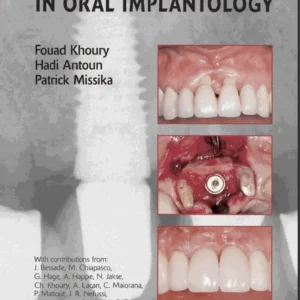 Bone Augmentation In Oral Implantology
1 × Rp3.345.600
Bone Augmentation In Oral Implantology
1 × Rp3.345.600 -
×
 Atlas Of Cosmetic Dentistry
1 × Rp4.263.600
Atlas Of Cosmetic Dentistry
1 × Rp4.263.600 -
×
 Autotransplantation Of Teeth
1 × Rp3.468.000
Autotransplantation Of Teeth
1 × Rp3.468.000 -
×
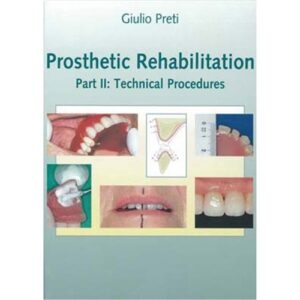 Prosthetic Rehabilitation: Part Ii Technical Procedures
1 × Rp5.854.800
Prosthetic Rehabilitation: Part Ii Technical Procedures
1 × Rp5.854.800
Uncategorized
The Hidden Dangers of DIY Teeth Whitening: What You Need to Know
In the age of social media influencers and online tutorials, DIY teeth whitening has become a popular trend. With countless products and techniques being promoted, it’s tempting to try and whiten your teeth at home. But while some DIY methods may seem like a quick fix, they can come with hidden risks to your dental health. In this post, we’ll take a closer look at the dangers of DIY teeth whitening and why you should be cautious when attempting to brighten your smile on your own.
🦷 1. Overuse of Whitening Products: The Risk of Tooth Sensitivity
What it is:
Many at-home teeth whitening products contain abrasive ingredients or strong bleaching agents like hydrogen peroxide or carbamide peroxide. While these ingredients can help whiten teeth, overusing them or using products incorrectly can lead to tooth sensitivity.
Why it happens:
Excessive bleaching or abrasive treatments can strip away the enamel, the protective outer layer of your teeth. This exposes the dentin underneath, which is more sensitive to hot, cold, or sweet stimuli. As a result, you may experience discomfort or pain after whitening treatments.
What to do:
Follow the product’s recommended usage instructions carefully.
Avoid using whitening products too frequently, as overuse can worsen sensitivity.
Consult your dentist before using any whitening products, especially if you have sensitive teeth.
🦷 2. Gum Irritation: When Whitening Products Touch Your Gums
What it is:
DIY teeth whitening products, such as whitening strips, gels, and trays, are meant to be applied to your teeth. However, improper application can result in the product coming into contact with your gums. This can cause irritation, redness, and discomfort, as well as potential damage to the gum tissue.
Why it happens:
At-home whitening products often aren’t designed for perfect application, and if the gel or solution spills onto the gums, it can lead to burns or irritation. Since gum tissue is more sensitive than tooth enamel, this can result in painful side effects.
What to do:
Use products carefully and follow the directions precisely.
If you experience irritation or burning, stop using the product immediately and consult your dentist.
If you’re uncertain about using a whitening treatment at home, talk to your dentist about professional whitening options that are safer for your gums.
🦷 3. Damage to Tooth Enamel: Weakening Your Teeth’s Defense
What it is:
Tooth enamel is the hardest substance in your body, but it can be weakened by frequent exposure to harsh chemicals or abrasive materials used in DIY whitening treatments. Overuse of abrasive whitening pastes or at-home bleaching gels can lead to enamel erosion.
Why it happens:
Many DIY teeth whitening methods, such as using baking soda or acidic fruit juices, can be abrasive or corrosive. When enamel wears away, it exposes the more sensitive layers of your teeth, making them more prone to decay, staining, and sensitivity.
What to do:
Avoid DIY methods that involve overly abrasive substances like baking soda or acidic fruits.
Consult your dentist for safe and effective whitening options that won’t damage your enamel.
Use fluoride toothpaste and consider fluoride treatments to help remineralize and protect your enamel.
🦷 4. Unpredictable Results: No Guarantees with DIY Whitening
What it is:
Unlike professional whitening treatments performed by a dentist, DIY teeth whitening methods often deliver unpredictable results. You may end up with uneven whitening or no noticeable change at all, especially if you have deep stains or underlying dental issues.
Why it happens:
Over-the-counter whitening products may not be as powerful or effective as professional treatments, especially if your stains are caused by internal factors such as aging, medications, or trauma to your teeth. DIY methods are designed to work on surface stains, but they might not address deeper discoloration.
What to do:
Keep in mind that DIY whitening treatments may not provide the same results as professional treatments.
Speak with your dentist if you have deep or stubborn stains; they can recommend treatments that are better suited to your specific needs.
Consider professional teeth whitening options for a more predictable and lasting outcome.
🦷 5. Potential for Harmful Ingredients: Not All Whitening Products Are Safe
What it is:
Many DIY teeth whitening products, especially those found online, are not regulated by dental authorities like the American Dental Association (ADA). Some of these products may contain harmful ingredients that can damage your teeth or gums.
Why it happens:
Some DIY teeth whitening kits contain ingredients that may not be safe for long-term use or that can cause harm if misused. For example, some products use high concentrations of peroxide that can burn your gums or create chemical imbalances in your mouth.
What to do:
Always look for products that are ADA-approved or recommended by dental professionals.
Be cautious of overly cheap whitening products, especially those sold through unverified online channels.
If you have any concerns about the safety of a product, consult your dentist before use.
✅ Conclusion
While DIY teeth whitening methods may seem like an easy and affordable option for a brighter smile, they come with a variety of risks, from tooth sensitivity to gum irritation and enamel damage. Before trying any at-home whitening techniques, it’s essential to talk to your dentist about the safest and most effective options for your smile. Professional teeth whitening treatments, while more expensive, offer a much safer and more predictable way to achieve the dazzling smile you desire—without the hidden dangers.
