
-
×
 The Single-Tooth Implant: A Minimally Invasive Approach for Anterior and Posterior Extraction Sockets
1 × Rp4.182.000
The Single-Tooth Implant: A Minimally Invasive Approach for Anterior and Posterior Extraction Sockets
1 × Rp4.182.000 -
×
 Bells Oral And Facial Pain 7Th Edition
2 × Rp2.346.000
Bells Oral And Facial Pain 7Th Edition
2 × Rp2.346.000 -
×
 Surgical Complications In Oral Implantology: Etiology, Prevention And Management
2 × Rp4.467.600
Surgical Complications In Oral Implantology: Etiology, Prevention And Management
2 × Rp4.467.600 -
×
 Surgical And Radiologic Anatomy For Oral Implantology
2 × Rp5.181.600
Surgical And Radiologic Anatomy For Oral Implantology
2 × Rp5.181.600 -
×
 Autologous Blood Concentrates
1 × Rp5.895.600
Autologous Blood Concentrates
1 × Rp5.895.600 -
×
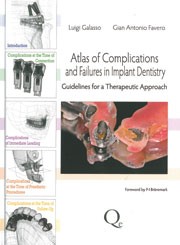 Atlas Of Complications And Failures In Implant Dentistry: Guidelines For A Therapeutic Approach
1 × Rp7.813.200
Atlas Of Complications And Failures In Implant Dentistry: Guidelines For A Therapeutic Approach
1 × Rp7.813.200 -
×
 Zero Bone Loss Concepts
2 × Rp4.794.000
Zero Bone Loss Concepts
2 × Rp4.794.000 -
×
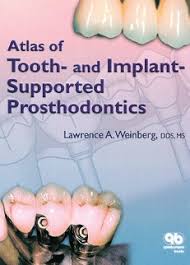 Atlas Of Tooth & Imp-Supp Prosthodontics
1 × Rp2.978.400
Atlas Of Tooth & Imp-Supp Prosthodontics
1 × Rp2.978.400 -
×
 Bone Augmentation In Oral Implantology
1 × Rp3.345.600
Bone Augmentation In Oral Implantology
1 × Rp3.345.600 -
×
 Atlas Of Cosmetic Dentistry
1 × Rp4.263.600
Atlas Of Cosmetic Dentistry
1 × Rp4.263.600 -
×
 Autotransplantation Of Teeth
1 × Rp3.468.000
Autotransplantation Of Teeth
1 × Rp3.468.000 -
×
 Prosthetic Rehabilitation: Part Ii Technical Procedures
1 × Rp5.854.800
Prosthetic Rehabilitation: Part Ii Technical Procedures
1 × Rp5.854.800 -
×
 Atlas of Periodontology and Implant Therapy
1 × Rp9.588.000
Atlas of Periodontology and Implant Therapy
1 × Rp9.588.000
Uncategorized
The Truth About Sugar-Free Gum: Is It Really Good for Your Teeth?
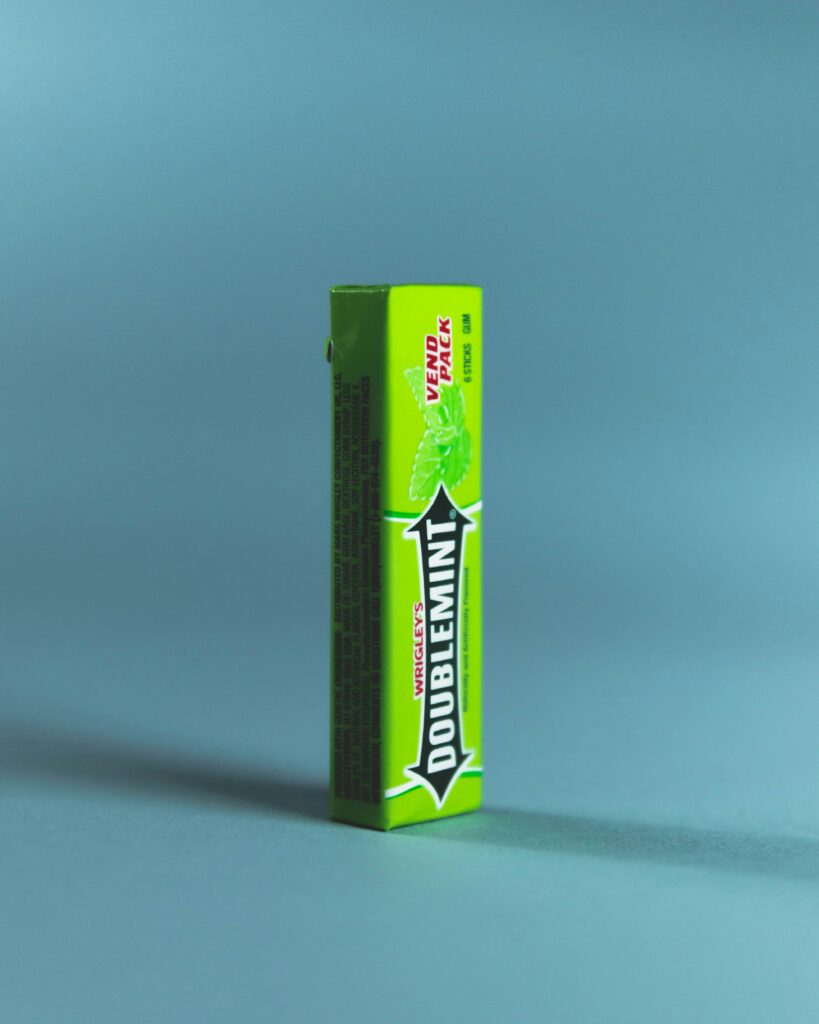
We’ve all heard that chewing sugar-free gum is good for your teeth. But is it really as effective as some claim? With so many types of gum on the market, it can be tough to know what’s true and what’s just a marketing claim.
Let’s break down the facts and explore how sugar-free gum really impacts your dental health.
1. Sugar-Free Gum vs. Regular Gum: The Key Difference
The most obvious difference between sugar-free gum and traditional gum is sugar content. Regular gum contains sugar, which feeds the bacteria in your mouth and contributes to plaque buildup, cavities, and tooth decay. Sugar-free gum, however, contains artificial sweeteners that do not contribute to tooth decay.
Sugar-Free Gum: Uses sweeteners like xylitol, sorbitol, or mannitol.
Regular Gum: Contains sugar that fuels cavity-causing bacteria.
Tip: If you want to protect your teeth, choose sugar-free options.
2. How Chewing Gum Helps Prevent Cavities
Chewing sugar-free gum can actually help prevent cavities—here’s how:
Increases saliva flow: Saliva is your mouth’s natural defense against cavities. It neutralizes acids, washes away food particles, and helps remineralize enamel.
Boosts fluoride absorption: Many sugar-free gums are designed to help the fluoride in your toothpaste work better by increasing saliva production.
Reduces plaque buildup: Gum chewing helps dislodge food particles from teeth and prevents plaque from sticking.
Tip: Try chewing gum after meals, especially when you can’t brush right away.
3. Xylitol: The Hero Ingredient
One of the most beneficial ingredients in sugar-free gum is xylitol—a natural sweetener that has been shown to reduce the growth of harmful bacteria in your mouth. Studies have found that xylitol can help reduce the formation of plaque and fight cavities.
How it works: Xylitol inhibits the growth of Streptococcus mutans, the bacteria most responsible for tooth decay.
Added benefit: Xylitol has also been linked to reducing the occurrence of ear infections and promoting overall oral health.
Tip: Look for gum that contains xylitol for maximum benefits.
4. Chewing Gum for Fresh Breath and Dry Mouth Relief
Aside from cavity prevention, sugar-free gum is also great for managing dry mouth and bad breath. Dry mouth occurs when there is insufficient saliva production, which can lead to bad breath, cavities, and gum disease.
Why it helps: The act of chewing stimulates saliva production, which naturally helps fight dry mouth.
Long-term benefits: Consistent chewing of sugar-free gum can help reduce bacteria buildup in the mouth, leaving you with fresher breath.
Tip: If you suffer from dry mouth, chew sugar-free gum regularly to keep your mouth hydrated.
5. The Potential Downsides of Gum
While sugar-free gum offers many benefits, there are a few things to keep in mind:
Overconsumption: Excessive chewing can lead to jaw fatigue or discomfort, particularly if you have TMJ (temporomandibular joint) issues.
Artificial Sweeteners: Some people may experience digestive discomfort from certain sugar substitutes like sorbitol, which can cause bloating or gas.
Tip: Chew in moderation to avoid overloading your digestive system or straining your jaw.
Conclusion: Sugar-Free Gum Is a Smart Add-On, Not a Replacement
Chewing sugar-free gum is a smart habit to add to your oral care routine, but it’s not a replacement for brushing, flossing, and regular dental checkups. If you use it correctly, sugar-free gum can help protect your teeth, freshen your breath, and improve your overall oral health.
