
-
×
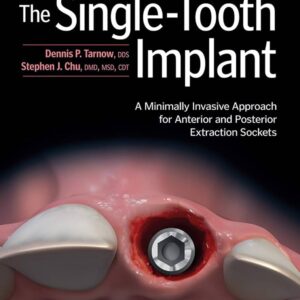 The Single-Tooth Implant: A Minimally Invasive Approach for Anterior and Posterior Extraction Sockets
1 × Rp4.182.000
The Single-Tooth Implant: A Minimally Invasive Approach for Anterior and Posterior Extraction Sockets
1 × Rp4.182.000 -
×
 Bells Oral And Facial Pain 7Th Edition
2 × Rp2.346.000
Bells Oral And Facial Pain 7Th Edition
2 × Rp2.346.000 -
×
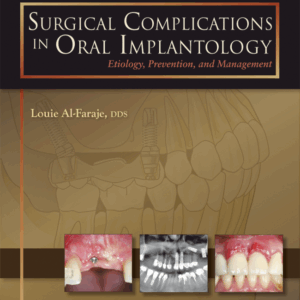 Surgical Complications In Oral Implantology: Etiology, Prevention And Management
3 × Rp4.467.600
Surgical Complications In Oral Implantology: Etiology, Prevention And Management
3 × Rp4.467.600 -
×
 Surgical And Radiologic Anatomy For Oral Implantology
2 × Rp5.181.600
Surgical And Radiologic Anatomy For Oral Implantology
2 × Rp5.181.600 -
×
 Autologous Blood Concentrates
1 × Rp5.895.600
Autologous Blood Concentrates
1 × Rp5.895.600 -
×
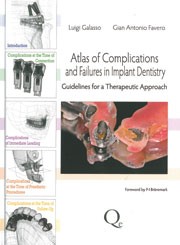 Atlas Of Complications And Failures In Implant Dentistry: Guidelines For A Therapeutic Approach
1 × Rp7.813.200
Atlas Of Complications And Failures In Implant Dentistry: Guidelines For A Therapeutic Approach
1 × Rp7.813.200 -
×
 Zero Bone Loss Concepts
2 × Rp4.794.000
Zero Bone Loss Concepts
2 × Rp4.794.000 -
×
 Atlas Of Tooth & Imp-Supp Prosthodontics
1 × Rp2.978.400
Atlas Of Tooth & Imp-Supp Prosthodontics
1 × Rp2.978.400 -
×
 Bone Augmentation In Oral Implantology
1 × Rp3.345.600
Bone Augmentation In Oral Implantology
1 × Rp3.345.600 -
×
 Atlas Of Cosmetic Dentistry
1 × Rp4.263.600
Atlas Of Cosmetic Dentistry
1 × Rp4.263.600 -
×
 Autotransplantation Of Teeth
1 × Rp3.468.000
Autotransplantation Of Teeth
1 × Rp3.468.000 -
×
 Prosthetic Rehabilitation: Part Ii Technical Procedures
1 × Rp5.854.800
Prosthetic Rehabilitation: Part Ii Technical Procedures
1 × Rp5.854.800 -
×
 Atlas of Periodontology and Implant Therapy
1 × Rp9.588.000
Atlas of Periodontology and Implant Therapy
1 × Rp9.588.000

Uncategorized
How Dental Health Impacts Athletic Performance
Athletes often focus on training, nutrition, and recovery—but dental health? It’s rarely part of the conversation. However, research is showing that oral health may play a surprising role in athletic performance and overall physical wellness.
Whether you’re a weekend jogger or a competitive athlete, here’s why keeping your mouth healthy could give you a real competitive edge.
1. Inflammation: The Silent Performance Killer
Gum disease is more than just bleeding gums—it’s a chronic inflammatory condition. And when your body is constantly fighting inflammation, it’s less equipped to perform at its peak.
What happens: Chronic oral inflammation can lead to fatigue, slower recovery, and decreased stamina.
Athletic downside: Your body diverts resources toward fighting infection rather than repairing muscle or boosting endurance.
Tip: Regular cleanings and good oral hygiene help reduce systemic inflammation.
2. Mouthguards and Their Hidden Risks
Custom sports mouthguards protect against dental trauma—but if not cleaned properly, they can become breeding grounds for bacteria.
Common issues: Bad breath, mouth ulcers, and even respiratory infections.
Pro move: Clean your mouthguard daily and replace it every season.
Tip: Ask your dentist about antimicrobial mouthguards or professional cleanings for your gear.
3. Tooth Pain = Distracted Focus
Even mild dental discomfort can mess with your game-day mindset. Whether it’s a cavity, cracked tooth, or TMJ disorder, pain reduces focus and increases stress.
Result: Poor reaction time, missed cues, and mental fatigue.
Athlete insight: Many elite athletes have dental teams as part of their overall healthcare squad.
Tip: Don’t ignore that “small” ache—addressing it early keeps your head in the game.
4. Hydration and Dry Mouth
Many athletes use sports drinks and may breathe through their mouths while training—both can contribute to dry mouth, which increases the risk of decay and gum disease.
Quick fix: Rinse with water after drinking sports beverages.
Pro tip: Sugar-free gum or mouth rinses can help stimulate saliva during long workouts.
Tip: Avoid sipping sugary drinks throughout a session; consume them quickly and follow with water.
5. Performance Starts with Prevention
Routine dental checkups can prevent issues from becoming distractions later. Cleanings, sealants, and fluoride treatments keep your mouth in top shape—just like stretching keeps muscles loose.
Game-day readiness: No toothaches, no infections, no distractions.
Peak performance: Athletes with great oral health are shown to feel better and perform better.
Conclusion: Your Mouth Is Part of Your Training Plan
Dental care isn’t just about cavities—it’s about optimizing your body to perform at its best. When you take your oral health seriously, you’re investing in strength, stamina, focus, and recovery.
