
-
×
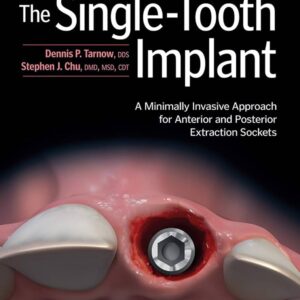 The Single-Tooth Implant: A Minimally Invasive Approach for Anterior and Posterior Extraction Sockets
1 × Rp4.182.000
The Single-Tooth Implant: A Minimally Invasive Approach for Anterior and Posterior Extraction Sockets
1 × Rp4.182.000 -
×
 Bells Oral And Facial Pain 7Th Edition
1 × Rp2.346.000
Bells Oral And Facial Pain 7Th Edition
1 × Rp2.346.000 -
×
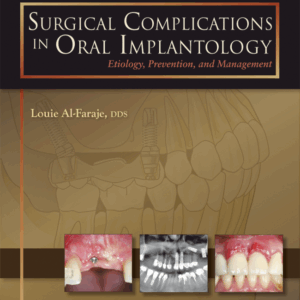 Surgical Complications In Oral Implantology: Etiology, Prevention And Management
2 × Rp4.467.600
Surgical Complications In Oral Implantology: Etiology, Prevention And Management
2 × Rp4.467.600 -
×
 Surgical And Radiologic Anatomy For Oral Implantology
1 × Rp5.181.600
Surgical And Radiologic Anatomy For Oral Implantology
1 × Rp5.181.600 -
×
 Autologous Blood Concentrates
1 × Rp5.895.600
Autologous Blood Concentrates
1 × Rp5.895.600 -
×
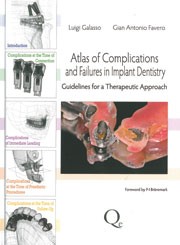 Atlas Of Complications And Failures In Implant Dentistry: Guidelines For A Therapeutic Approach
1 × Rp7.813.200
Atlas Of Complications And Failures In Implant Dentistry: Guidelines For A Therapeutic Approach
1 × Rp7.813.200 -
×
 Zero Bone Loss Concepts
1 × Rp4.794.000
Zero Bone Loss Concepts
1 × Rp4.794.000 -
×
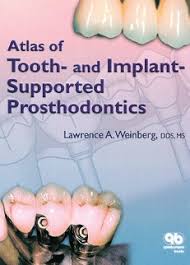 Atlas Of Tooth & Imp-Supp Prosthodontics
1 × Rp2.978.400
Atlas Of Tooth & Imp-Supp Prosthodontics
1 × Rp2.978.400 -
×
 Bone Augmentation In Oral Implantology
1 × Rp3.345.600
Bone Augmentation In Oral Implantology
1 × Rp3.345.600 -
×
 Atlas Of Cosmetic Dentistry
1 × Rp4.263.600
Atlas Of Cosmetic Dentistry
1 × Rp4.263.600
Uncategorized
The Rise of Teledentistry: Is Virtual Dental Care the Future?
ChatGPT said:
Absolutely! Here’s a brand-new, never-repeated dental blog topic with full content:
Blog Topic: “The Rise of Teledentistry: Is Virtual Dental Care the Future?”
The Rise of Teledentistry: Is Virtual Dental Care the Future?
Technology is changing every aspect of healthcare—and dentistry is no exception. Enter teledentistry, a rapidly growing service model that allows patients to connect with dental professionals remotely.
But how does it work? What can and can’t be done virtually? And should you consider using it?
Let’s dive into what teledentistry is all about—and how it could change the way you experience dental care.
1. What Is Teledentistry?
Teledentistry uses secure video conferencing, photo sharing, and digital communication tools to provide dental consultations and care remotely. It’s not a total replacement for in-office visits, but it offers powerful tools for:
Consultations and second opinions
Post-treatment follow-ups
Monitoring orthodontic progress
Emergency triage
Preventive advice and education
Tip: All you need is a smartphone, tablet, or computer with a camera.
2. Who Can Benefit From Teledentistry?
Teledentistry is especially helpful for:
Busy professionals who struggle to schedule appointments
Parents who need quick check-ins for their children
Patients in rural or underserved areas
Elderly or disabled individuals who face mobility challenges
Bonus: It also reduces unnecessary trips, saving time and transportation costs.
3. What Can Be Done Virtually?
While some procedures obviously require in-person visits, here’s what you can do through teledentistry:
✅ Visual exams for certain conditions (swelling, ulcers, broken restorations)
✅ Treatment planning discussions
✅ Reviewing X-rays and digital scans
✅ Answering oral hygiene questions
✅ Monitoring whitening or aligner progress
Tip: It’s also a great way to determine if an emergency visit is actually needed.
4. Limitations to Keep in Mind
Teledentistry isn’t a cure-all. It can’t replace:
Cleanings or x-rays
Fillings, extractions, or surgical procedures
Deep periodontal care
It’s most effective when paired with in-office care as part of a hybrid dental model.
5. Is It Safe and Private?
Yes—when done through secure, HIPAA-compliant platforms. Dentists who offer teledentistry ensure your data, health records, and images are encrypted and protected.
Tip: Always verify the platform your dental office uses is secure and compliant.
Conclusion: A Smart Complement to Traditional Care
Teledentistry isn’t replacing traditional care—it’s enhancing it. It makes dental advice and support more accessible, faster, and easier to fit into your life. Whether you’re seeking a quick consult, remote monitoring, or peace of mind, virtual dental care is here to stay.
