
-
×
 The Single-Tooth Implant: A Minimally Invasive Approach for Anterior and Posterior Extraction Sockets
1 × Rp4.182.000
The Single-Tooth Implant: A Minimally Invasive Approach for Anterior and Posterior Extraction Sockets
1 × Rp4.182.000 -
×
 Bells Oral And Facial Pain 7Th Edition
1 × Rp2.346.000
Bells Oral And Facial Pain 7Th Edition
1 × Rp2.346.000 -
×
 Surgical Complications In Oral Implantology: Etiology, Prevention And Management
2 × Rp4.467.600
Surgical Complications In Oral Implantology: Etiology, Prevention And Management
2 × Rp4.467.600 -
×
 Surgical And Radiologic Anatomy For Oral Implantology
1 × Rp5.181.600
Surgical And Radiologic Anatomy For Oral Implantology
1 × Rp5.181.600 -
×
 Autologous Blood Concentrates
1 × Rp5.895.600
Autologous Blood Concentrates
1 × Rp5.895.600 -
×
 Atlas Of Complications And Failures In Implant Dentistry: Guidelines For A Therapeutic Approach
1 × Rp7.813.200
Atlas Of Complications And Failures In Implant Dentistry: Guidelines For A Therapeutic Approach
1 × Rp7.813.200 -
×
 Zero Bone Loss Concepts
2 × Rp4.794.000
Zero Bone Loss Concepts
2 × Rp4.794.000 -
×
 Atlas Of Tooth & Imp-Supp Prosthodontics
1 × Rp2.978.400
Atlas Of Tooth & Imp-Supp Prosthodontics
1 × Rp2.978.400 -
×
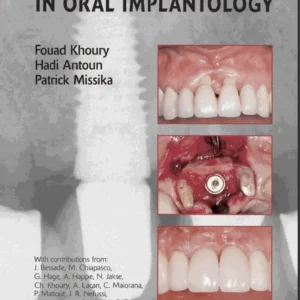 Bone Augmentation In Oral Implantology
1 × Rp3.345.600
Bone Augmentation In Oral Implantology
1 × Rp3.345.600 -
×
 Atlas Of Cosmetic Dentistry
1 × Rp4.263.600
Atlas Of Cosmetic Dentistry
1 × Rp4.263.600 -
×
 Autotransplantation Of Teeth
1 × Rp3.468.000
Autotransplantation Of Teeth
1 × Rp3.468.000 -
×
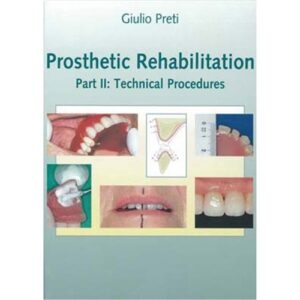 Prosthetic Rehabilitation: Part Ii Technical Procedures
1 × Rp5.854.800
Prosthetic Rehabilitation: Part Ii Technical Procedures
1 × Rp5.854.800

Uncategorized
How to Maintain Oral Health During Pregnancy: Tips for Moms-to-Be
Pregnancy is a time of significant change for your body, and your oral health is no exception. Hormonal changes during pregnancy can affect your gums, teeth, and overall oral health. Many expecting mothers may not be aware of how pregnancy can impact their dental care, and some may experience oral health problems like gum disease, tooth sensitivity, or pregnancy tumors. In this blog, we’ll explore how pregnancy affects your oral health and provide tips on how to maintain a healthy smile throughout your pregnancy.
1. The Link Between Pregnancy and Oral Health
Pregnancy brings about a surge in hormones, especially progesterone and estrogen, which can affect the health of your gums and teeth. These hormonal changes increase blood flow to the gums and may cause them to become more sensitive, inflamed, and prone to infection. Understanding the impact of these changes can help you maintain good oral hygiene during pregnancy.
Gum Disease (Pregnancy Gingivitis): Many pregnant women experience gum inflammation or bleeding, especially in the second and third trimesters. This condition, called pregnancy gingivitis, is typically mild but can lead to more serious gum disease if left untreated.
Increased Risk of Cavities: Pregnant women may crave more sugary or acidic foods, which can contribute to cavities. Additionally, morning sickness, which causes frequent vomiting, can expose teeth to stomach acids that may erode enamel.
Pregnancy Tumors: Some women may develop benign growths on their gums during pregnancy, known as pregnancy tumors. While these are not cancerous, they can cause discomfort and may require treatment after childbirth.
2. Importance of Good Oral Hygiene During Pregnancy
Maintaining a good oral hygiene routine during pregnancy is essential to prevent gum disease and tooth decay. Taking care of your teeth and gums not only helps keep your smile healthy but also reduces the risk of complications like preterm birth or low birth weight, which have been linked to untreated gum disease.
Brush Twice a Day: Use a soft-bristled toothbrush and fluoride toothpaste to brush your teeth thoroughly twice a day. Pay special attention to your gumline, where plaque buildup can cause inflammation and bleeding.
Floss Daily: Flossing removes food particles and plaque from between your teeth and along the gumline. This is especially important during pregnancy, as gums may be more sensitive and prone to infection.
Rinse with an Antiseptic Mouthwash: Consider using a mouthwash that contains fluoride or antibacterial ingredients to help reduce plaque and bacteria in your mouth. Avoid mouthwashes that contain alcohol, as they can dry out your mouth.
3. Managing Morning Sickness and Acid Reflux
Morning sickness, which affects many pregnant women, can take a toll on your teeth. The constant exposure to stomach acids from vomiting can erode your enamel and increase your risk of cavities.
Rinse with Water After Vomiting: After vomiting, rinse your mouth with water to help neutralize the acid. Avoid brushing your teeth immediately after vomiting, as enamel may be softened by the stomach acid, which could cause further damage.
Chew Sugar-Free Gum: Chewing sugar-free gum, especially one that contains xylitol, can help stimulate saliva production, which helps neutralize acids and protect your teeth from decay.
Stay Hydrated: Drinking plenty of water throughout the day helps maintain a healthy flow of saliva, which naturally helps wash away food particles and acids that could harm your teeth.
4. Nutritional Considerations for Healthy Teeth and Gums
Eating a balanced, nutritious diet is crucial during pregnancy—not only for your overall health but also for your oral health. Certain nutrients are especially beneficial for maintaining strong teeth and gums.
Calcium: Calcium is essential for strong bones and teeth. Make sure to consume enough dairy products, leafy greens, and fortified foods to support your teeth and your baby’s development.
Vitamin D: Vitamin D helps your body absorb calcium. Spending some time in the sun, eating vitamin D-rich foods like fortified milk, or taking supplements can help maintain healthy teeth during pregnancy.
Vitamin C: Vitamin C is vital for gum health and can help prevent gum disease. Include foods like citrus fruits, strawberries, and bell peppers in your diet to keep your gums healthy.
Limit Sugary and Acidic Foods: While cravings are normal during pregnancy, it’s essential to limit sugary and acidic foods, which can contribute to tooth decay and erosion. Opt for healthy snacks like vegetables, nuts, and yogurt.
5. Dental Checkups During Pregnancy
It’s safe to visit your dentist during pregnancy, and regular dental checkups are essential to ensure your oral health remains in good condition. In fact, it’s recommended to see your dentist in the second trimester, as this is the safest time to undergo any necessary treatments or cleanings.
Routine Cleanings: Regular dental cleanings are crucial to remove plaque and tartar buildup that can lead to gum disease. Dental professionals can also monitor your oral health for any issues related to pregnancy.
Discuss Your Pregnancy: When scheduling your appointment, inform your dentist that you’re pregnant. This will allow them to adjust their treatment approach and avoid using certain medications or X-rays that may not be advisable during pregnancy.
X-rays and Anesthesia: Routine X-rays can generally be avoided during pregnancy, but if needed, your dentist will take precautions to minimize exposure. Local anesthesia is typically safe during pregnancy but should always be discussed with your dentist.
6. Postpartum Oral Health Care
After giving birth, it’s essential to continue taking care of your teeth and gums, as your hormonal levels will fluctuate, and your body will go through changes.
Breastfeeding and Oral Health: Breastfeeding can have an impact on your oral health, as it may lead to dry mouth. Make sure to drink plenty of water and maintain good oral hygiene to protect your teeth.
Address Any Issues: If you experience oral health problems after childbirth, such as a sudden increase in gum sensitivity or bleeding, make sure to consult your dentist.
Conclusion: Prioritize Oral Health for a Healthy Pregnancy
Maintaining excellent oral health during pregnancy is vital for both your well-being and your baby’s health. By following a proper oral hygiene routine, managing morning sickness, eating a balanced diet, and scheduling regular dental visits, you can keep your smile healthy and strong throughout your pregnancy.
