
-
×
 The Single-Tooth Implant: A Minimally Invasive Approach for Anterior and Posterior Extraction Sockets
1 × Rp4.182.000
The Single-Tooth Implant: A Minimally Invasive Approach for Anterior and Posterior Extraction Sockets
1 × Rp4.182.000 -
×
 Bells Oral And Facial Pain 7Th Edition
1 × Rp2.346.000
Bells Oral And Facial Pain 7Th Edition
1 × Rp2.346.000 -
×
 Surgical Complications In Oral Implantology: Etiology, Prevention And Management
2 × Rp4.467.600
Surgical Complications In Oral Implantology: Etiology, Prevention And Management
2 × Rp4.467.600 -
×
 Surgical And Radiologic Anatomy For Oral Implantology
1 × Rp5.181.600
Surgical And Radiologic Anatomy For Oral Implantology
1 × Rp5.181.600 -
×
 Autologous Blood Concentrates
1 × Rp5.895.600
Autologous Blood Concentrates
1 × Rp5.895.600 -
×
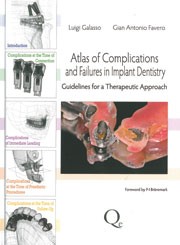 Atlas Of Complications And Failures In Implant Dentistry: Guidelines For A Therapeutic Approach
1 × Rp7.813.200
Atlas Of Complications And Failures In Implant Dentistry: Guidelines For A Therapeutic Approach
1 × Rp7.813.200 -
×
 Zero Bone Loss Concepts
1 × Rp4.794.000
Zero Bone Loss Concepts
1 × Rp4.794.000 -
×
 Atlas Of Tooth & Imp-Supp Prosthodontics
1 × Rp2.978.400
Atlas Of Tooth & Imp-Supp Prosthodontics
1 × Rp2.978.400 -
×
 Bone Augmentation In Oral Implantology
1 × Rp3.345.600
Bone Augmentation In Oral Implantology
1 × Rp3.345.600 -
×
 Atlas Of Cosmetic Dentistry
1 × Rp4.263.600
Atlas Of Cosmetic Dentistry
1 × Rp4.263.600 -
×
 Autotransplantation Of Teeth
1 × Rp3.468.000
Autotransplantation Of Teeth
1 × Rp3.468.000
Uncategorized
Dental Myths Debunked: What You Thought You Knew About Oral Care
There’s no shortage of advice on how to maintain a healthy smile, but not all of it is accurate. Many myths and misconceptions about dental care have been passed down through generations, leading people to follow outdated or incorrect practices. In this blog, we’ll bust some of the most common dental myths and help you make informed decisions about your oral health.
1. Myth: Brushing Harder Means Cleaner Teeth
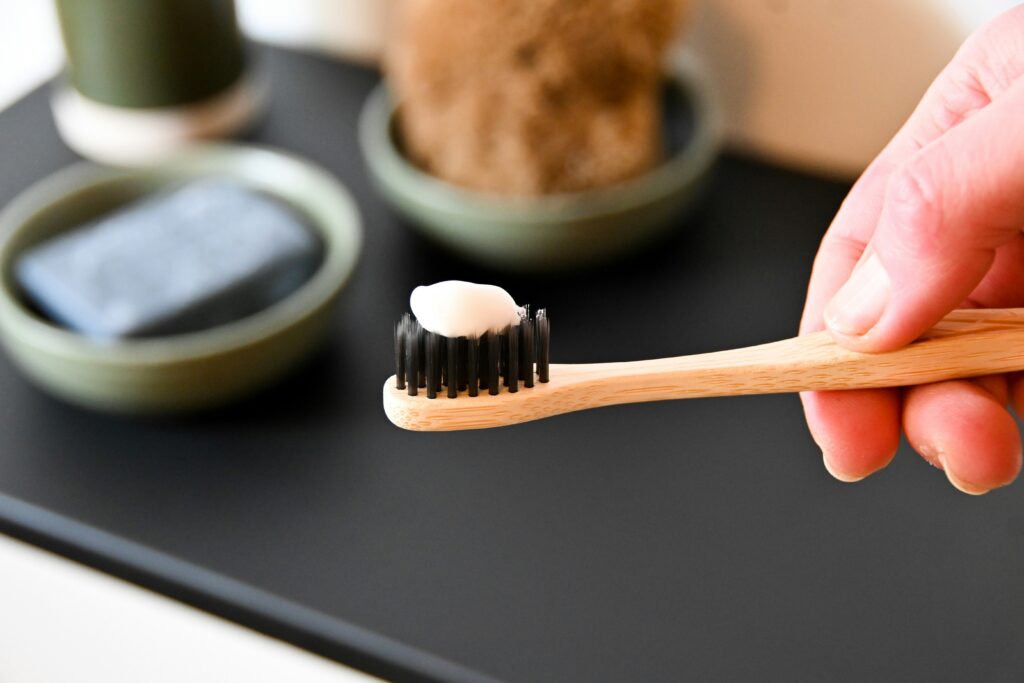
Many people believe that brushing their teeth with extra force will help remove plaque more effectively. In reality, brushing too hard can actually damage your gums and tooth enamel.
Truth: Gentle, consistent brushing with a soft-bristled toothbrush is much more effective. Applying pressure won’t clean your teeth better and can lead to gum recession and enamel erosion.
2. Myth: Whitening Toothpaste Can Whiten Your Teeth Permanently
We’ve all seen advertisements for whitening toothpastes that claim to brighten your smile. While they can help remove surface stains, they cannot change the natural color of your teeth.
Truth: Whitening toothpastes may remove stains from coffee, tea, or food, but they won’t provide long-term whitening results. For lasting effects, professional whitening treatments are a better option.
3. Myth: Sugar-Free Gum is Bad for Your Teeth
It’s often assumed that all gum, even sugar-free varieties, can be bad for your teeth because of the acidity or artificial sweeteners used in them. However, chewing gum can actually have oral health benefits.
Truth: Sugar-free gum can stimulate saliva production, which helps neutralize acids and wash away food particles, reducing the risk of cavities. Just make sure it’s sugar-free, as sugary gum can lead to tooth decay.
4. Myth: Cavities Don’t Form If You Don’t Feel Pain
One of the biggest misconceptions about cavities is that if your teeth don’t hurt, they’re fine. Cavities often develop silently and can remain painless for a long time.
Truth: Cavities begin to form when bacteria break down the enamel of your teeth, and they can progress without causing any pain until they reach a more advanced stage. Regular dental checkups are crucial for detecting cavities early, even before symptoms appear.
5. Myth: You Only Need to See a Dentist When Something Hurts
Many people avoid seeing the dentist until they experience tooth pain or discomfort. However, this approach can result in more serious dental issues down the line.
Truth: Routine dental checkups are important even if you’re not in pain. Your dentist can spot early signs of problems, like cavities, gum disease, or oral cancer, before they cause discomfort. Preventive care is key to maintaining oral health.
6. Myth: Children Don’t Need to See a Dentist Until They Have All Their Permanent Teeth
It’s often believed that children don’t need to see a dentist until they have their permanent teeth. In reality, early visits to the dentist can set the stage for lifelong oral health.
Truth: The American Academy of Pediatric Dentistry recommends that a child’s first dental visit should occur by the time their first tooth erupts, or no later than their first birthday. Early visits help establish good oral hygiene habits and ensure that any potential issues are addressed early.
7. Myth: Toothpaste with Fluoride is Dangerous for Kids
Some parents worry that fluoride, a common ingredient in toothpaste, is harmful to children. While it’s true that swallowing excessive fluoride can be harmful, using the right amount of fluoride toothpaste is safe and beneficial.
Truth: Fluoride helps prevent cavities by strengthening tooth enamel. Children should use a small amount (about the size of a grain of rice) of fluoride toothpaste, and they should be supervised while brushing to avoid swallowing it.
8. Myth: You Should Avoid Brushing After Eating Acidic Foods
Many people think brushing immediately after consuming acidic foods (like citrus or soda) is harmful because it can wear away enamel. However, the truth is a bit more nuanced.
Truth: Brushing immediately after acidic foods can be abrasive to softened enamel. Instead, wait about 30 minutes before brushing. You can rinse your mouth with water right after eating to help neutralize acids in the meantime.
9. Myth: Only Your Teeth Need to Be Brushed
While brushing your teeth is essential, it’s not the only area that needs attention. Many people neglect brushing their tongue and gums, which can harbor bacteria and contribute to bad breath.
Truth: In addition to brushing your teeth, don’t forget to clean your tongue and gums. A gentle brushing of the tongue can reduce bacteria, prevent bad breath, and promote overall oral hygiene.
10. Myth: Dental Work Lasts Forever
Many patients believe that dental work, such as fillings, crowns, or implants, lasts forever. Unfortunately, this is not the case.
Truth: While modern dental treatments are durable, they may need to be replaced or repaired over time due to wear, decay, or damage. Regular dental visits are important for monitoring the condition of your restorations.
Conclusion: Busting Myths for Better Oral Care
Dental myths can be misleading and lead to poor oral hygiene habits. It’s important to separate fact from fiction when it comes to maintaining your teeth and gums. By understanding the truth behind these common misconceptions, you’ll be able to make better decisions about your oral care routine and avoid unnecessary problems.
