
-
×
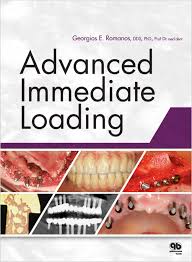 Advanced Immediate Loading
2 × Rp3.692.400
Advanced Immediate Loading
2 × Rp3.692.400 -
×
 Atlas Of Cone Beam Volumetric Imaging For Applications Second Edition
1 × Rp3.406.800
Atlas Of Cone Beam Volumetric Imaging For Applications Second Edition
1 × Rp3.406.800 -
×
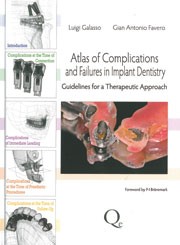 Atlas Of Complications And Failures In Implant Dentistry: Guidelines For A Therapeutic Approach
1 × Rp7.813.200
Atlas Of Complications And Failures In Implant Dentistry: Guidelines For A Therapeutic Approach
1 × Rp7.813.200 -
×
 Zero Bone Loss Concepts
1 × Rp4.794.000
Zero Bone Loss Concepts
1 × Rp4.794.000 -
×
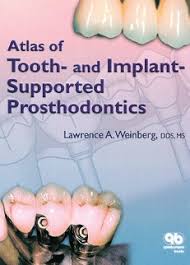 Atlas Of Tooth & Imp-Supp Prosthodontics
1 × Rp2.978.400
Atlas Of Tooth & Imp-Supp Prosthodontics
1 × Rp2.978.400 -
×
 The Sinus Bone Graft
1 × Rp4.977.600
The Sinus Bone Graft
1 × Rp4.977.600 -
×
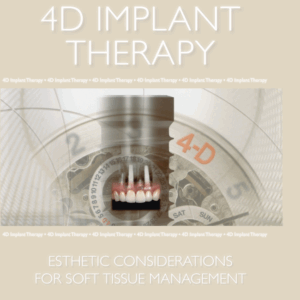 4D Implant Therapy: Esthetic Consideration For Soft Tissue Management
1 × Rp3.835.200
4D Implant Therapy: Esthetic Consideration For Soft Tissue Management
1 × Rp3.835.200 -
×
 ITI Treatment Guide Volume 11: Digital Workflows in Implant Dentistry
1 × Rp2.284.800
ITI Treatment Guide Volume 11: Digital Workflows in Implant Dentistry
1 × Rp2.284.800 -
×
 Autologous Blood Concentrates
1 × Rp5.895.600
Autologous Blood Concentrates
1 × Rp5.895.600 -
×
 Attachments In The Laboratory
1 × Rp2.346.000
Attachments In The Laboratory
1 × Rp2.346.000

Uncategorized
How Chewing Affects Your Jaw Health – More Than Just Biting and Grinding
Most people think chewing is just a mindless part of eating—but it actually plays a major role in your jaw’s structure, health, and even long-term oral function. In this post, we’ll dive into the connection between chewing and jaw health, and what it means for your everyday wellness.
1. Chewing Is Exercise for Your Jaw
Your jaw has some of the most powerful muscles in your body. Just like other muscles, they need healthy movement—but too much or too little can both lead to issues.
Normal chewing helps maintain bone density in your jaw.
Over-chewing (from stress habits like gum or nail chewing) can strain the muscles and joints.
Underuse (e.g., soft diets, missing teeth) can lead to weakening of the jaw muscles.
2. The Link Between Chewing and TMJ Disorders
The temporomandibular joint (TMJ) connects your jaw to your skull. Poor chewing habits or imbalanced bite patterns can cause or worsen TMJ disorders.
Common signs of jaw strain:
Clicking or popping when you chew
Pain in the jaw, neck, or ears
Headaches from muscle tension
Lockjaw or restricted jaw movement
3. The Type of Food You Eat Matters
Modern diets often include softer, processed foods that don’t require much effort to chew. This can reduce the stimulation needed to keep your jaw muscles and bones strong—especially in children.
Foods that support jaw development:
Raw vegetables (carrots, celery)
Whole apples (not cut)
Nuts and seeds
Chewy breads and lean meats
4. Bad Chewing Habits to Avoid
Some chewing habits can hurt more than help:
Chewing ice: Can chip or fracture teeth
Chewing on pens or fingernails: Stresses the jaw and wears down enamel
Unbalanced chewing (only on one side): Can lead to muscle imbalance and misalignment
5. How to Improve Your Jaw Health Through Chewing
Simple adjustments can improve your bite function and support your jaw:
Alternate chewing sides when eating
Practice mindful eating—chew slowly and thoroughly
Avoid stress-chewing gum all day
Talk to your dentist about bite alignment if you experience discomfort
Conclusion: Chewing Is a Bigger Deal Than You Think
From strengthening jaw muscles to affecting long-term bite alignment, chewing plays a vital role in oral health. If you’ve been ignoring jaw discomfort or sticking to a soft-food diet, it might be time to take a closer look at how your habits are affecting your oral future.
