
-
×
 Advanced Immediate Loading
1 × Rp3.692.400
Advanced Immediate Loading
1 × Rp3.692.400
Uncategorized
The Importance of Mouthguards: Protecting Your Teeth During Sports and Sleep
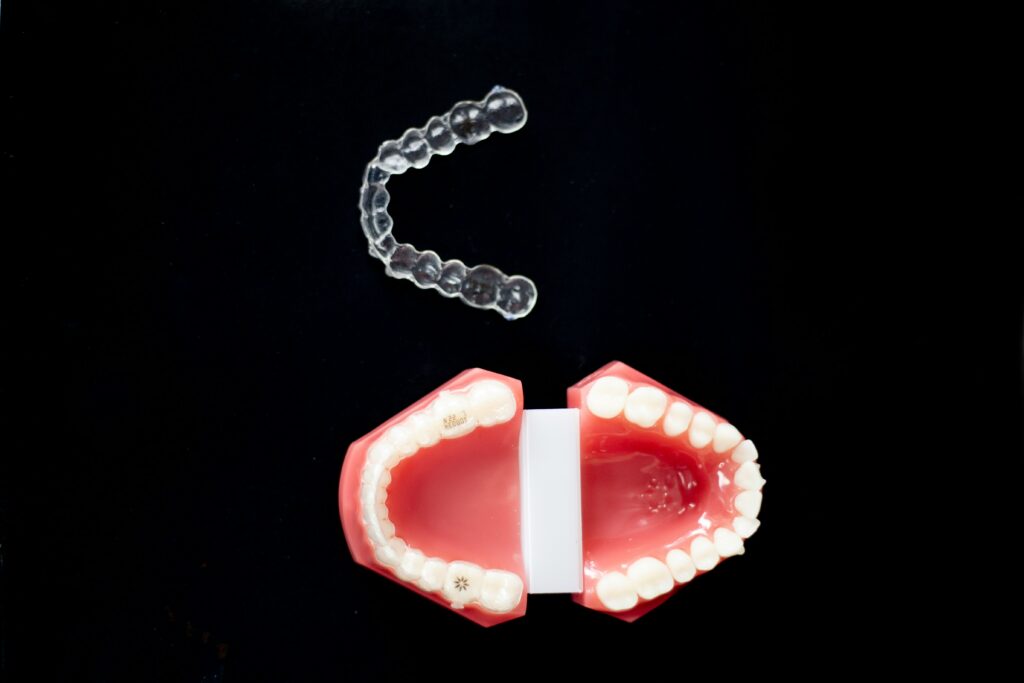
Mouthguards are not just for athletes—whether you’re playing a contact sport, grinding your teeth at night, or simply seeking extra protection, mouthguards are an essential tool for maintaining oral health. They’re designed to protect the teeth from injury, reduce the risk of long-term dental damage, and even address issues like teeth grinding and sleep apnea. Let’s explore why wearing a mouthguard is essential and how it can protect your smile in both active and passive situations.
🦷 1. Mouthguards and Sports: A Must-Have for Athletes
Contact sports like football, hockey, and basketball carry a high risk of dental injuries. Whether it’s a direct blow to the face or an accidental collision with another player, mouthguards act as a protective barrier to cushion the impact and prevent tooth loss, fractures, or cuts to the soft tissues of the mouth.
How It Works:
Impact Absorption: A properly fitted mouthguard absorbs shocks and redistributes the force across the jaw, reducing the risk of fractures or trauma.
Prevention of Tooth Loss: A mouthguard shields teeth from heavy impacts that can result in tooth loss, saving you from expensive and painful dental treatments.
When to Wear It:
During contact sports like football, basketball, soccer, and hockey.
During non-contact sports like gymnastics, skateboarding, and martial arts, where there’s a risk of falls or collisions.
🦷 2. Mouthguards for Nighttime Teeth Grinding (Bruxism)
Many people suffer from bruxism—the involuntary grinding or clenching of teeth during sleep. This condition often goes unnoticed because it occurs while you’re asleep. Over time, bruxism can cause significant wear on your teeth, jaw pain, and even headaches. A mouthguard specifically designed for bruxism can provide much-needed protection and help alleviate the symptoms.
How It Works:
Cushions Teeth: A mouthguard designed for bruxism forms a protective layer between your upper and lower teeth, preventing direct contact that can lead to enamel erosion.
Reduces Pressure: By distributing the pressure evenly, a nightguard prevents excessive wear and tear on your teeth and alleviates strain on your jaw muscles.
When to Wear It:
If you’re diagnosed with bruxism or experience signs of grinding your teeth at night (worn-down teeth, jaw soreness, headaches).
If your dentist recommends it based on symptoms or a grinding habit.
🦷 3. Mouthguards for Sleep Apnea: A Non-Invasive Treatment Option
Sleep apnea is a serious condition where your airway becomes obstructed during sleep, leading to interrupted breathing and poor-quality rest. One non-invasive treatment option is a mandibular advancement device (MAD), a type of mouthguard designed to help reposition your jaw and keep your airway open. This can significantly reduce the snoring and breathing interruptions that characterize sleep apnea.
How It Works:
Repositions the Jaw: The mouthguard gently shifts the lower jaw forward, helping to keep the airway clear and reduce the occurrence of apneic episodes.
Improves Sleep Quality: By preventing airway collapse, a mouthguard improves breathing during sleep, leading to more restful and uninterrupted sleep.
When to Wear It:
If you’ve been diagnosed with sleep apnea and are looking for an alternative to CPAP therapy.
If you or your partner notice excessive snoring or breathing pauses during sleep.
🦷 4. Choosing the Right Mouthguard: Custom vs. Over-the-Counter Options
There are two main types of mouthguards: custom-fitted and over-the-counter. While both provide protection, a custom-fitted mouthguard offers more comfort and better protection.
Custom-Fitted Mouthguards:
Best for athletes who require precise fit and comfort.
Made by your dentist from a mold of your teeth to ensure a perfect fit.
Provides superior protection as they are specifically designed to fit your teeth and jaw.
Typically more expensive, but offer long-term durability and comfort.
Over-the-Counter Mouthguards:
Available in stores and designed to fit most mouth sizes.
Generally cheaper but may not offer the same level of comfort or protection.
Good for occasional use or as a temporary solution, but may not be ideal for serious athletes or bruxism sufferers.
🦷 5. Caring for Your Mouthguard: Maintenance Tips
To ensure that your mouthguard continues to protect your teeth, proper care and maintenance are essential.
Cleaning:
Rinse your mouthguard with cool water after each use to remove debris and bacteria.
Use a mild soap and warm water to clean the mouthguard regularly, avoiding harsh chemicals or hot water that could warp it.
Store the mouthguard in a ventilated case to prevent bacteria buildup.
Replacement:
Check for wear and tear; a mouthguard should be replaced when it shows signs of damage or loss of fit.
If you notice any changes in your teeth or jaw after wearing a mouthguard, consult your dentist for a replacement.
🦷 6. Conclusion: Protect Your Teeth, Protect Your Health
Mouthguards are a simple yet highly effective tool in preserving both oral health and overall well-being. Whether you’re protecting your teeth during sports, preventing damage from bruxism, or addressing sleep apnea, the benefits of wearing a mouthguard are clear. Don’t wait for an accident or dental problem to occur—take the proactive step of incorporating a mouthguard into your daily routine.
