
-
×
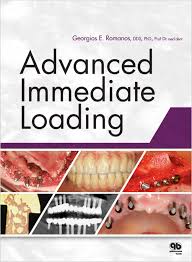 Advanced Immediate Loading
2 × Rp3.692.400
Advanced Immediate Loading
2 × Rp3.692.400 -
×
 Atlas Of Cone Beam Volumetric Imaging For Applications Second Edition
1 × Rp3.406.800
Atlas Of Cone Beam Volumetric Imaging For Applications Second Edition
1 × Rp3.406.800 -
×
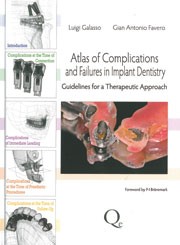 Atlas Of Complications And Failures In Implant Dentistry: Guidelines For A Therapeutic Approach
1 × Rp7.813.200
Atlas Of Complications And Failures In Implant Dentistry: Guidelines For A Therapeutic Approach
1 × Rp7.813.200 -
×
 Zero Bone Loss Concepts
1 × Rp4.794.000
Zero Bone Loss Concepts
1 × Rp4.794.000 -
×
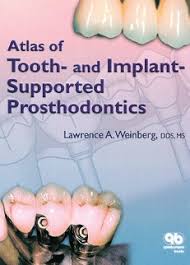 Atlas Of Tooth & Imp-Supp Prosthodontics
1 × Rp2.978.400
Atlas Of Tooth & Imp-Supp Prosthodontics
1 × Rp2.978.400 -
×
 The Sinus Bone Graft
1 × Rp4.977.600
The Sinus Bone Graft
1 × Rp4.977.600 -
×
 4D Implant Therapy: Esthetic Consideration For Soft Tissue Management
1 × Rp3.835.200
4D Implant Therapy: Esthetic Consideration For Soft Tissue Management
1 × Rp3.835.200 -
×
 ITI Treatment Guide Volume 11: Digital Workflows in Implant Dentistry
1 × Rp2.284.800
ITI Treatment Guide Volume 11: Digital Workflows in Implant Dentistry
1 × Rp2.284.800 -
×
 Autologous Blood Concentrates
1 × Rp5.895.600
Autologous Blood Concentrates
1 × Rp5.895.600 -
×
 Attachments In The Laboratory
1 × Rp2.346.000
Attachments In The Laboratory
1 × Rp2.346.000

Uncategorized
Mouth Breathing vs. Nose Breathing: Why It Matters More Than You Think
Breathing is automatic—we do it without thinking. But how you breathe (through your nose or your mouth) can have a major impact on your oral health, sleep quality, and even facial development, especially in children.
Let’s explore the differences between mouth breathing and nose breathing—and why it’s more than just a habit.
👃 Why Nose Breathing Is the Healthier Default
Your nose is a built-in air filter and humidifier. When you breathe through your nose, you:
Filter out dust, allergens, and bacteria
Humidify the air before it reaches your lungs
Promote better oxygen absorption
Stimulate nitric oxide, which improves circulation and reduces inflammation
Most importantly for dentists: Nose breathing helps maintain proper tongue posture, which influences jaw development and tooth alignment.
👄 What Happens When You Breathe Through Your Mouth?
Chronic mouth breathing can lead to a host of issues, especially in children:
Dry mouth → Reduces saliva, increasing the risk of cavities and gum disease
Bad breath → Caused by bacteria that thrive in dry environments
Gum inflammation
Tooth decay
Jaw and facial development issues in kids
Crowded or crooked teeth
Sleep-disordered breathing or snoring
Mouth breathing also causes the tongue to rest lower in the mouth, which can contribute to a narrower palate, poor bite, and even speech issues.
👶 Why It’s Crucial for Kids
Children who breathe through their mouths regularly may develop:
Long, narrow faces
Open bites or overbites
Forward head posture
Attention and focus issues (due to poor oxygenation during sleep)
These effects can become permanent if not addressed early.
🔍 How to Spot Mouth Breathing
Mouth breathing isn’t always obvious, but here are some signs:
Lips are often parted, even at rest
Snoring or noisy breathing during sleep
Frequent dry mouth or sore throat
Dark circles under the eyes
Difficulty concentrating
Orthodontic issues like crowding or narrow jaws
🛠️ What Can Be Done?
✅ See your dentist or orthodontist
They can assess your oral anatomy and bite to spot issues early.
✅ Consider a myofunctional therapy referral
This type of therapy trains the muscles of the face, tongue, and mouth for healthier breathing and posture.
✅ Treat underlying causes
Mouth breathing is often caused by:
Allergies
Enlarged tonsils or adenoids
Chronic nasal congestion
Deviated septum
In such cases, an ENT (ear, nose, and throat doctor) may need to be involved.
✅ Use nasal sprays or allergy treatments
Keeping nasal passages clear is a key step toward restoring nose breathing.
🧠 Final Thoughts: Breathing Affects More Than You Think
Mouth vs. nose breathing may not seem like a dental topic at first—but it plays a major role in your oral health, facial development, and overall wellness. Being mindful of your breathing patterns (and your children’s) can help prevent long-term issues before they start.
