
-
×
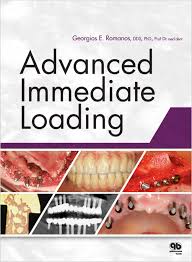 Advanced Immediate Loading
2 × Rp3.692.400
Advanced Immediate Loading
2 × Rp3.692.400 -
×
 Atlas Of Cone Beam Volumetric Imaging For Applications Second Edition
1 × Rp3.406.800
Atlas Of Cone Beam Volumetric Imaging For Applications Second Edition
1 × Rp3.406.800 -
×
 Atlas Of Complications And Failures In Implant Dentistry: Guidelines For A Therapeutic Approach
1 × Rp7.813.200
Atlas Of Complications And Failures In Implant Dentistry: Guidelines For A Therapeutic Approach
1 × Rp7.813.200 -
×
 Zero Bone Loss Concepts
1 × Rp4.794.000
Zero Bone Loss Concepts
1 × Rp4.794.000 -
×
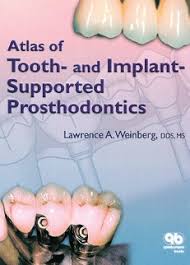 Atlas Of Tooth & Imp-Supp Prosthodontics
1 × Rp2.978.400
Atlas Of Tooth & Imp-Supp Prosthodontics
1 × Rp2.978.400 -
×
 The Sinus Bone Graft
1 × Rp4.977.600
The Sinus Bone Graft
1 × Rp4.977.600 -
×
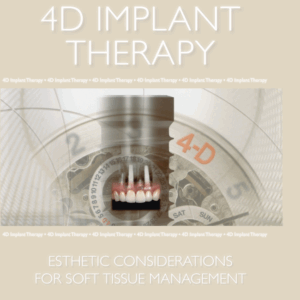 4D Implant Therapy: Esthetic Consideration For Soft Tissue Management
1 × Rp3.835.200
4D Implant Therapy: Esthetic Consideration For Soft Tissue Management
1 × Rp3.835.200 -
×
 ITI Treatment Guide Volume 11: Digital Workflows in Implant Dentistry
1 × Rp2.284.800
ITI Treatment Guide Volume 11: Digital Workflows in Implant Dentistry
1 × Rp2.284.800 -
×
 Autologous Blood Concentrates
1 × Rp5.895.600
Autologous Blood Concentrates
1 × Rp5.895.600 -
×
 Attachments In The Laboratory
1 × Rp2.346.000
Attachments In The Laboratory
1 × Rp2.346.000

Uncategorized
The Link Between Stress and Your Oral Health
We often talk about how stress affects your heart, sleep, or digestion—but did you know it can also take a serious toll on your oral health?
From jaw pain to gum disease, stress can quietly impact your smile in more ways than you might think. Let’s dive into the surprising connection between mental stress and dental problems—and what you can do about it.
😬 How Stress Shows Up in Your Mouth
1. Teeth Grinding (Bruxism)
One of the most common stress-related habits is grinding or clenching your teeth, especially during sleep.
Symptoms include:
Worn-down teeth
Jaw pain or tightness
Headaches (especially in the morning)
Cracked or chipped teeth
Over time, bruxism can lead to serious damage if not addressed.
2. Jaw Pain & TMJ Issues
Stress causes muscle tension, including in your jaw joints (TMJs). This can lead to:
Clicking or popping sounds when you chew
Pain near your ears or temples
Difficulty opening or closing your mouth fully
3. Canker Sores or Mouth Ulcers
High stress levels can lower your immune defenses, making you more prone to painful canker sores inside the mouth. These aren’t contagious, but they can be irritating and slow to heal.
4. Gum Disease
Stress affects your immune system and how your body fights off infection—including in your gums. People under chronic stress may be more likely to develop gingivitis or periodontitis.
Signs to watch for:
Bleeding when brushing
Puffy, red, or tender gums
Bad breath that doesn’t go away
5. Neglecting Oral Hygiene
When life gets overwhelming, it’s easy to skip brushing, flossing, or dental visits. But neglecting your oral care routine can lead to a buildup of plaque, cavities, and gum issues down the line.
🧘♀️ Tips to Protect Your Oral Health During Stress
✅ Be consistent with oral care. Even during tough times, aim to brush twice a day and floss once.
✅ Use a mouthguard. If you grind your teeth at night, a custom nightguard from your dentist can prevent damage.
✅ Manage stress in healthy ways. Try meditation, exercise, journaling, or simply taking a few deep breaths daily.
✅ Stay hydrated. Stress can contribute to dry mouth, so keep your water intake up.
✅ Visit your dentist. Regular checkups help catch early signs of stress-related damage—before it becomes a bigger problem.
Final Thoughts: Don’t Let Stress Steal Your Smile
Stress is a part of life—but the effects on your oral health don’t have to be. By recognizing the signs early and keeping up with healthy habits, you can protect your teeth, gums, and overall well-being.
Think your stress might be affecting your smile? Let’s talk about it. Your next checkup could be the first step toward feeling better—inside and out.
