
Uncategorized
Top Dental Emergencies and What to Do Before You Reach the Dentist
Dental emergencies never happen at a convenient time. Whether it’s a sudden toothache or a broken tooth during a weekend game, knowing how to react can make a big difference in saving your tooth—and easing your pain.
Here’s a guide to the most common dental emergencies, how to handle them at home, and when to call your dentist right away.
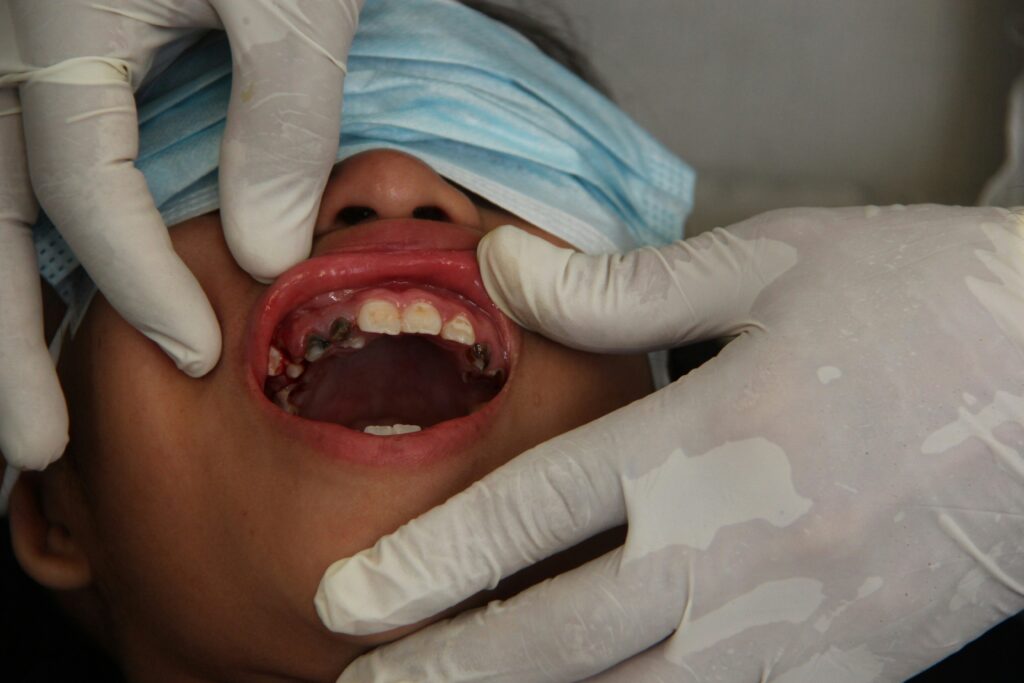
🚨 1. Severe Toothache
What it feels like:
Throbbing, constant pain that may be accompanied by swelling or sensitivity.
What to do:
Rinse your mouth with warm water
Floss gently to make sure nothing is stuck
Take over-the-counter pain relievers (like ibuprofen)
Apply a cold compress to your cheek for swelling
Don’t: Put aspirin directly on the tooth or gums—it can cause burns.
📞 Call your dentist ASAP—it could be an infection, abscess, or deep cavity that needs immediate treatment.
🦷 2. Knocked-Out Tooth
What to do immediately:
Hold the tooth by the crown (not the root)
Gently rinse off any dirt with water (no scrubbing!)
If possible, reinsert it into the socket and hold it in place
If not, store it in milk or saliva (NOT water) and bring it to the dentist immediately
⏱️ Time is critical—see a dentist within 30–60 minutes for the best chance of saving the tooth.
🦷 3. Broken or Chipped Tooth
What to do:
Save any broken pieces
Rinse your mouth with warm water
Apply gauze if there’s bleeding
Use a cold compress to reduce swelling
Avoid chewing on that side
📞 Contact your dentist to evaluate the damage and plan for bonding, a crown, or other repair.
🦷 4. Lost Filling or Crown
What to do:
If a crown falls off, try to re-seat it with dental cement (available at drugstores) or toothpaste as a temporary fix
Avoid sticky or hard foods
Keep the area clean
Call your dentist to have it properly reattached or replaced.
🦷 5. Abscess or Gum Infection
Symptoms include:
Swelling of the face or jaw
Pus around the gums or a tooth
Fever
Bad taste or smell in the mouth
What to do:
Rinse gently with warm salt water
Use a cold compress for swelling
Take pain relievers
🚨 This is a serious infection that can spread—see a dentist urgently!
🛑 When to Go to the ER Instead
While most dental emergencies can be handled by a dentist, go to the emergency room if you have:
Facial swelling that affects breathing or vision
A deep cut that won’t stop bleeding
High fever or signs of systemic infection
Severe trauma (car accident, jaw fracture, etc.)
Final Thoughts: Be Prepared Before It Happens
Dental emergencies are stressful, but knowing what to do can save your tooth—and protect your health.
Pro tip: Keep a small dental emergency kit at home or in your bag with gauze, a small container, salt, pain relievers, and dental cement from the pharmacy.
