
-
×
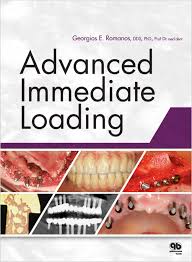 Advanced Immediate Loading
2 × Rp3.692.400
Advanced Immediate Loading
2 × Rp3.692.400 -
×
 Atlas Of Cone Beam Volumetric Imaging For Applications Second Edition
1 × Rp3.406.800
Atlas Of Cone Beam Volumetric Imaging For Applications Second Edition
1 × Rp3.406.800 -
×
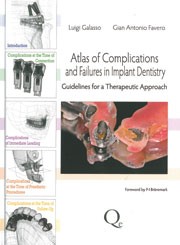 Atlas Of Complications And Failures In Implant Dentistry: Guidelines For A Therapeutic Approach
1 × Rp7.813.200
Atlas Of Complications And Failures In Implant Dentistry: Guidelines For A Therapeutic Approach
1 × Rp7.813.200 -
×
 Zero Bone Loss Concepts
1 × Rp4.794.000
Zero Bone Loss Concepts
1 × Rp4.794.000 -
×
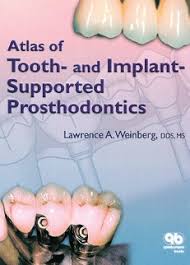 Atlas Of Tooth & Imp-Supp Prosthodontics
1 × Rp2.978.400
Atlas Of Tooth & Imp-Supp Prosthodontics
1 × Rp2.978.400 -
×
 The Sinus Bone Graft
1 × Rp4.977.600
The Sinus Bone Graft
1 × Rp4.977.600 -
×
 4D Implant Therapy: Esthetic Consideration For Soft Tissue Management
1 × Rp3.835.200
4D Implant Therapy: Esthetic Consideration For Soft Tissue Management
1 × Rp3.835.200 -
×
 ITI Treatment Guide Volume 11: Digital Workflows in Implant Dentistry
1 × Rp2.284.800
ITI Treatment Guide Volume 11: Digital Workflows in Implant Dentistry
1 × Rp2.284.800 -
×
 Autologous Blood Concentrates
1 × Rp5.895.600
Autologous Blood Concentrates
1 × Rp5.895.600 -
×
 Attachments In The Laboratory
1 × Rp2.346.000
Attachments In The Laboratory
1 × Rp2.346.000
Uncategorized
Tooth Sensitivity: What Causes It and How to Treat It
Do you wince when you sip something cold or feel a zing when you brush? You’re not alone. Tooth sensitivity is a common dental issue that affects millions of people—and it can turn everyday activities like eating or drinking into uncomfortable experiences.
The good news? It’s treatable. Here’s what you need to know about why your teeth are sensitive and how you can get relief.
🧊 What Is Tooth Sensitivity?
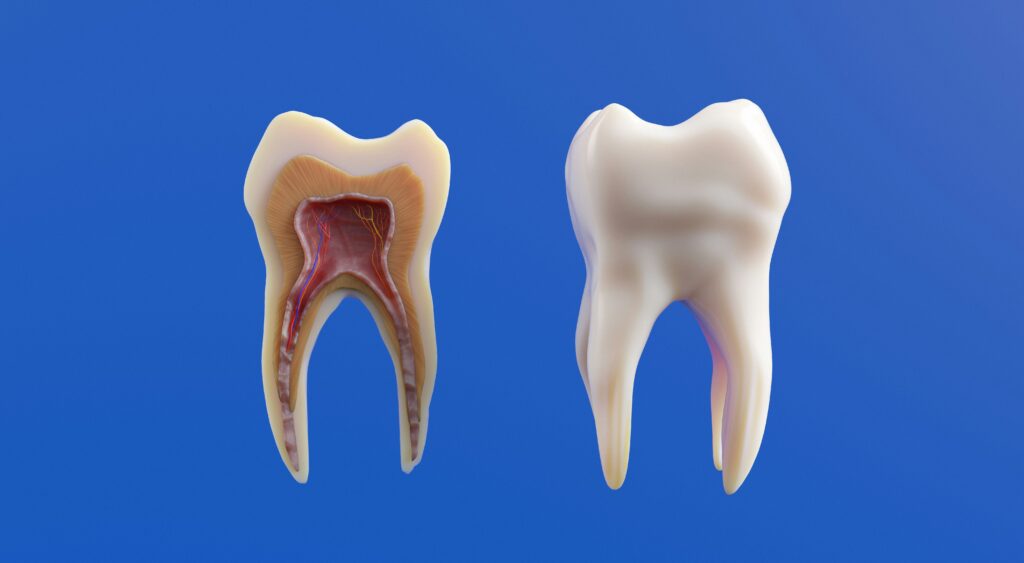
Tooth sensitivity (also known as dentin hypersensitivity) happens when the inner layers of your teeth become exposed. This allows heat, cold, air, or pressure to stimulate the nerves inside the tooth, causing sharp, sudden pain.
🔍 Common Causes of Sensitive Teeth
Worn Enamel
Brushing too hard or using a hard-bristled toothbrush can wear away enamel—the tooth’s protective outer layer—exposing the sensitive dentin beneath.
Receding Gums
Gum recession can leave the tooth roots exposed. Since roots don’t have enamel, they’re extra sensitive to temperature and touch.
Tooth Decay or Cracks
Cavities, chips, or cracks in your teeth can expose the nerves and increase sensitivity.
Whitening Products
Over-the-counter whitening strips and toothpastes can sometimes cause temporary sensitivity due to the bleaching agents.
Recent Dental Procedures
Sensitivity after fillings, crowns, or cleanings is common and usually temporary—but it’s worth monitoring.
Acidic Diet
Frequently consuming citrus fruits, soda, or vinegar-based foods can erode enamel and contribute to sensitivity.
💡 How to Treat Tooth Sensitivity
Use a Desensitizing Toothpaste
Special toothpastes (like Sensodyne® or Colgate Sensitive®) help block the sensation from reaching the nerve.
Switch to a Soft-Bristled Toothbrush
Gentle brushing protects enamel and gums, reducing the wear that leads to sensitivity.
Watch Your Diet
Limit acidic foods and drinks. Rinse your mouth with water afterward if you do indulge.
Fluoride Treatments
Your dentist can apply a professional fluoride varnish to strengthen enamel and reduce pain.
Dental Bonding or Sealants
For exposed roots or worn enamel, a protective layer can be applied to cover sensitive areas.
Address Underlying Issues
If your sensitivity is due to gum disease, cavities, or grinding, your dentist will recommend specific treatment—like fillings, a nightguard, or periodontal therapy.
🦷 When to See a Dentist
If your sensitivity:
Lasts longer than a few weeks
Is getting worse
Comes with swelling, bad breath, or tooth discoloration
…it’s time to see your dentist. Sensitivity can be a sign of something more serious that needs attention.
Final Word: Don’t Ignore the Twinge
Tooth sensitivity can range from annoying to downright painful—but you don’t have to live with it. With the right care and a visit to your dentist, you can treat the cause and get back to enjoying your favorite foods and drinks without flinching.
